What are the effects and benefits of keeping green plants at home?
Nowadays, more and more people like to grow green plants at home, so do you know what the benefits of keeping green plants at home are?
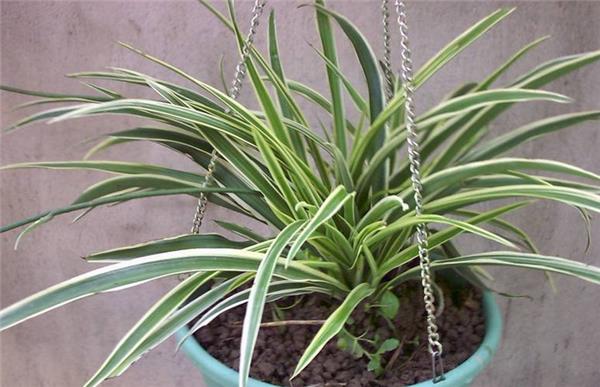
The benefits of keeping green plants at home
1. Aloe vera, spider plant, snake plant, cast-iron plant, Swiss cheese plant
Benefits: These houseplants are natural scavengers that can remove harmful substances from the air, and they are especially effective against formaldehyde. Studies have shown that snake plants and spider plants can absorb more than 80% of various harmful gases indoors, and their ability to absorb formaldehyde is especially strong. Aloe vera is also an expert at absorbing formaldehyde, able to absorb 90% of the formaldehyde contained in 1 cubic meter of air.
2. Ivy, sago palm, chrysanthemum, kumquat, pomegranate, four o'clock flower, purslane, Chinese rose, camellia, pomegranate, orchid tree, daisy, wintersweet, marigold
Benefits: These houseplants each have their own role in resisting harmful gases such as sulfur dioxide, fluorine, chlorine, ether, ethylene, mercury vapor, lead vapor, carbon monoxide and nitrogen peroxide. Because these plants act as bodyguards against the toxic gases given off by household appliances, plastic products and the like, the chance of them harming you is greatly reduced.
3. Rose, osmanthus, violet, jasmine, lemon, rose, dianthus, lily of the valley, crape myrtle
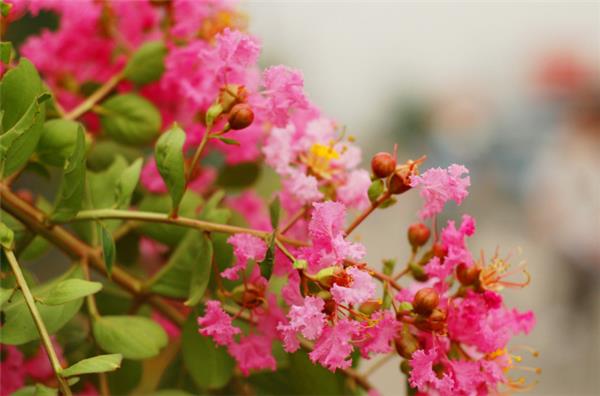
Benefits: The volatile oils produced by these fragrant flowering houseplants have a significant sterilizing effect. Plants such as crape myrtle, jasmine and lemon can kill protozoa such as diphtheria bacteria and dysentery bacteria within 5 minutes. The fragrance given off by plants such as jasmine, rose, dianthus, lily of the valley, violet, rose and osmanthus has a clear inhibitory effect on the growth and reproduction of tuberculosis bacteria, pneumococci and staphylococci.
4. Snake plant, snake plant, agave, as well as Opuntia lasiacantha, dwarf kalanchoe, striped kalanchoe, thick-leaved sedum, cup-shaped mother of thousands, bromeliad
Benefits: These houseplants can purify the air at night, and they are easy to "wait on." Without spending too much time or effort caring for them, they can still grow luxuriantly.
5. Cactus, epiphyllum, Christmas cactus, night-blooming cereus, epiphyllum
Benefits: The stomata on the fleshy stems of these houseplants close during the day and open at night, and while absorbing carbon dioxide they produce oxygen, increasing the concentration of negative ions in the indoor air.
6. Orchid, osmanthus, wintersweet, caladium, red-back eupatorium
Benefits: These houseplants are natural dust collectors; their fine hairs can intercept and retain floating particles and smoke dust in the air.
7. Clove, jasmine, rose, violet, feverfew, mint
Benefits: These houseplants can help people relax, feel cheerful, aid sleep, improve work efficiency, and even make people smarter.
Taboos on growing plants at home
1. Do not keep flowers that are too fragrant
Night-blooming jasmine releases a large amount of fragrance at night. This heavy fragrance is harmful to human health, and if it is placed indoors for a long time it can cause dizziness, coughing, and even asthma, restlessness and insomnia.
2. Tulips contain toxic alkaloids
If humans and animals stay in this fragrance for 2~3 hours, they will feel dizzy and light-headed and show symptoms of poisoning, and in severe cases their hair will fall out; pine and cypress plants secrete lipid substances and give off a relatively strong pine fragrance, which irritates the human stomach and intestines.
After smelling it for a long time, it not only affects our appetite, but also makes pregnant women feel restless, nauseated and vomiting, and dizzy. In addition, famous flowers such as peony, rose, narcissus, lily and orchid are also strongly fragrant, but if people stay in an environment with this strong fragrance for a long time, they will feel various kinds of discomfort and may also suffer from insomnia.
3. Beware of allergies
The white sap in the stems and leaves of poinsettia irritates the skin and causes allergic reactions, and if the stems or leaves are eaten by mistake there is also a risk of poisoning and death; scarlet sage has a lot of pollen, which will worsen the condition of people with allergic constitutions, especially patients with asthma or respiratory allergies.
Osmanthus, lantana, hydrangea, geranium, redbud and others are all allergenic, and sometimes touching them can also cause skin allergic reactions, with red rashes and unbearable itching.

4. Do not bring "poisonous flowers" home
Many flowers that everyone loves are toxic, and even a light touch may cause discomfort, so families, especially those with children, should try not to keep them.
For example, yellow and white azaleas contain toxins, and once eaten by mistake they cause poisoning, leading to symptoms such as vomiting, difficulty breathing and numbness of the limbs, and in severe cases can lead to shock.
The mimosine in mimosa, if touched too much, can cause sparse eyebrows, yellowing of the hair and even hair loss; corn poppy contains toxic alkaloids, with the fruit being the most toxic, and if eaten by mistake it can cause poisoning of the central nervous system and even endanger life.
Rohdea japonica contains a toxic enzyme, and if the sap of its stems and leaves is touched, it can cause severe itching and inflammation of the skin. If a child grabs and plays with it or bites it by mistake, it can irritate the oral mucosa and cause throat edema, and even paralyze the vocal cords and cause loss of voice; the stems, leaves and even flowers of oleander are toxic, and their smell can also make people drowsy and reduce intelligence.
5. Families with elderly people or children should avoid spiny flowers
Although cacti are quite good at purifying the air, the dense spines on their surface can inadvertently hurt people. If there are elderly people with limited mobility or young children who do not know better at home, it is best not to keep them. In addition, crown of thorns and others also have sharp spines, and their stems and leaves contain toxins, so they should not be kept either.