Which plants are not suitable for keeping at home?
Nowadays many families keep some plants to decorate their homes or improve the air, but did you know that some plants are not suitable for keeping at home? Below we introduce which plants are not suitable for keeping at home.
Plants not suitable for keeping at home
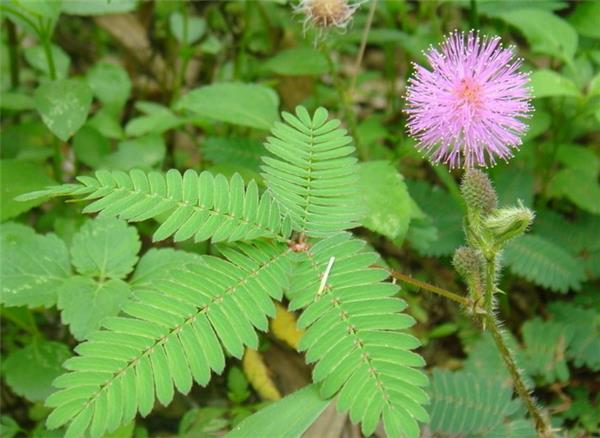
1. Mimosa (Mimosa pudica): Mimosa contains a trace amount of toxicity. The mimosine in its body is a toxic substance; too much contact with this toxin can cause thinning eyebrows, yellowing hair, and even hair loss. Mimosine also damages human skin, so be careful not to poke or fiddle with mimosa with your fingers.
2. Oleander (Nerium oleander): The fragrance of oleander flowers can make people drowsy and reduce mental acuity. The whole oleander plant is toxic and contains a variety of cardiac glycosides; it is a highly toxic substance and is extremely harmful to the human respiratory system and digestive system. Contact with the milky sap it secretes can also easily cause poisoning; after poisoning there is nausea, vomiting, and diarrhea, and it can be fatal. Therefore, oleander should not be placed at home.
3. Tulip (Tulipa): Although tulips have dignified flowers, elegant shapes, and bright, rich, and varied colors, their flowers contain an alkaloid. If people and animals stay among these flowers for 2 to 3 hours, they will become dizzy and confused and show symptoms of poisoning, and in severe cases hair loss may occur. So it is best not to keep them at home. If they are cut flowers in bunches, be sure to keep the room ventilated.
4. Poinsettia (Euphorbia pulcherrima): Poinsettia is a flower with both color and form, but flower experts believe it absolutely must not be placed indoors, because poinsettia releases toxic substances harmful to the human body. The white milky sap secreted from its stems and leaves is also toxic. Once it touches the skin, it can cause allergic symptoms; in mild cases redness and swelling, and in severe cases ulceration. If the stems and leaves are eaten by mistake, it causes vomiting, abdominal pain, and even death. Therefore, it is best not to keep poinsettia at home, and if there are children at home, it is even more important not to keep it.

5. Hydrangea (Hydrangea macrophylla): If the tiny particles released by hydrangea come into contact with people, they can cause itching of the skin. They irritate sensitive skin. It also has the side effect of disrupting hormones, and is especially harmful when there is a pregnant woman in the home. Therefore, do not casually bring hydrangea home.
6. Night-blooming jasmine (Cestrum nocturnum): The fragrance of night-blooming jasmine is intense, and when it blooms it releases substances such as alkaloids. It is especially unsuitable to place this flower indoors for people with high blood pressure or heart disease, because the fragrance of night-blooming jasmine is mixed with a large amount of tiny particles that strongly stimulate the sense of smell; after smelling it, people feel suffocated and uncomfortable, which can trigger a recurrence of illness. If it is kept indoors for a long time, it can cause dizziness, coughing, and even asthma and insomnia. At night, after night-blooming jasmine stops photosynthesis, it also releases a large amount of waste gas. This waste gas smells very fragrant, but it is harmful to human health; staying in this odor for a long time can cause dizziness and chest tightness. Night-blooming jasmine has safety risks, so it is taboo to place it in the bedroom, and it is best not to keep it at home at all.
7. Dieffenbachia (Dieffenbachia seguine): The leaves of dieffenbachia contain oxalic acid and asparagine. The sap of its branches and leaves is highly toxic, and once it touches the skin it causes unbearable itching. Its fruit in particular is even more toxic; if eaten by mistake, it causes swelling and pain in the mouth and throat and can even damage the vocal cords. Therefore, some people call dieffenbachia the "dumb cane." If eaten by mistake by people or animals, it may bring life-threatening danger.
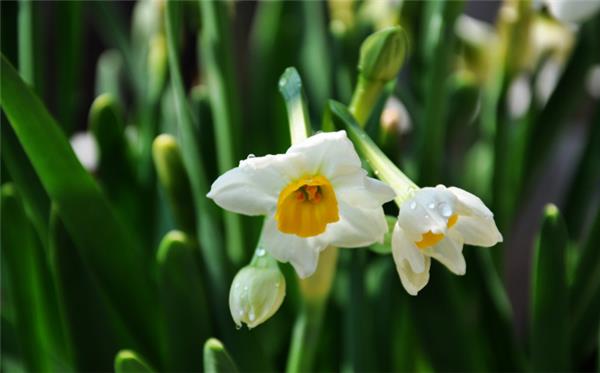
8. Narcissus (Narcissus): Narcissus flowers are beautiful and elegant, but their bulbs (bulb scales) contain lycorine, which is a toxic substance. The flowers, stems, and leaves of narcissus are all toxic. After poisoning, vomiting and abdominal pain occur. Its overpowering fragrance can also make the nervous system feel uncomfortable, and over time, especially if its fragrance is inhaled during sleep, people become dizzy. Although narcissus is beautiful, that does not mean it is healthy, and keeping it at home should be done with caution.
9. Redbud (Bauhinia): The pollen of redbud is allergenic. If people come into contact with the pollen it releases for too long, it can trigger asthma or worsen coughing symptoms. Therefore, families with asthma patients must never plant it. Even in families without such patients, to prevent trouble before it happens, it is still better not to keep it.
10. Datura (Datura stramonium): Datura is like an invisible killer; never keep it at home. The whole plant is toxic, with the fruit and especially the seeds being the most toxic, followed by the young leaves. The toxicity of dried leaves is less than that of fresh leaves. The flowers have an anesthetic property. Because its flower sap stimulates the central nervous system, swallowing it can produce excitation and may cause hallucinations. If datura is eaten by mistake, an overdose can cause excessive excitation of the central nervous system that suddenly reverses into inhibition, causing a sharp drop in bodily functions; in severe cases it can lead to death.
11. Yellow azalea (Rhododendron molle): The flowers of yellow azalea contain toxins, so it is best not to touch or smell them. Once eaten by mistake, in mild cases there is poisoning with symptoms such as vomiting, difficulty breathing, and numbness of the limbs; in severe cases it can cause shock and seriously harm human health.
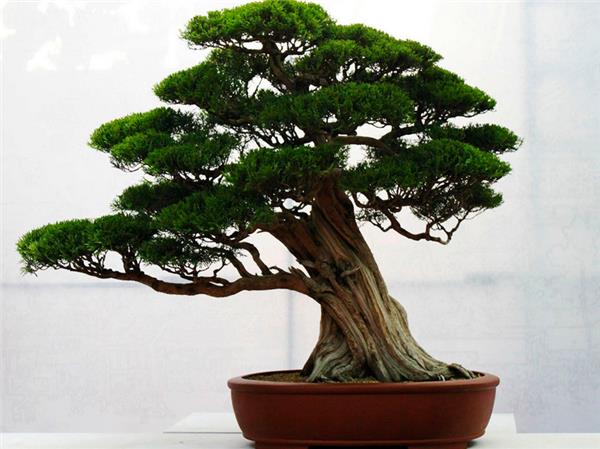
12. Pine and cypress bonsai: The fragrance of pine and cypress plants easily causes allergic reactions in people, and it also irritates the human gastrointestinal tract. If smelled for too long, it not only affects appetite but also makes people feel restless, nauseated, and dizzy. Therefore, people who like pine and cypress bonsai should pay attention. If they must keep them, they can place them on a balcony or in places where family members are less active. Never, for the sake of elegance, place them in frequently used places such as the bedroom or study.
Then, from the perspective of feng shui, which plants are not suitable for keeping at home?
1. Thorny plants
In feng shui, these plants bring disadvantage, a phenomenon known as Lianzhen Sha, which mainly means household discord and unrest among family members. Therefore, unless there is a special reason, such plants are generally not placed indoors.
2. Plants that are too tall
The height of plants in the home should be kept moderate. If they are too tall, they will affect air circulation and be suspected of overwhelming the host. In addition, excessive yin energy is unfavorable to the household.
3. Withered flowers and fallen leaves
It is common to see that some people, because they do not know how to care for plants, end up with yellowed, diseased, or dead plants. In that case, it would be better not to keep plants at all, because declining green plants bring unfavorable fortune. Only green plants that are growing well can bring a good energy field, so it is generally best to choose green plants that are easy to care for.
4. Toxic plants must not be kept
Some plants themselves release toxic gases or are unfavorable in feng shui. Avoid the appearance of these green plants, such as oleander, datura, Monstera deliciosa, dieffenbachia, Syringa oblata, and mimosa.
5. Replacing real with fake
To save effort, some people use fake flowers and fake grass to replace real green plants. This is also unfavorable in feng shui. The fake is empty; only keeping real green plants can bring a vigorous energy field.
6. Too many flowers and trees
No matter what one does, there should be a limit and moderation. Some people, because they love flowers and plants or like this kind of style, place many green plants indoors. At first glance it is lush and the whole room is green, but this makes yin flourish and yang decline indoors, blocks sunlight, and thereby lowers fortune. Therefore, it should be restrained, except that a sunroom can keep many green plants.
It not only affects appetite but also makes people feel restless, nauseated, and dizzy. Therefore, people who like pine and cypress bonsai should pay attention. If they must keep them, they can place them on a balcony or in places where family members are less active. Never, for the sake of elegance, place them in frequently used places such as the bedroom or study.
Then, from the perspective of feng shui, which plants are not suitable for keeping at home?
1. Thorny plants
In feng shui, these plants bring disadvantage, a phenomenon known as Lianzhen Sha, which mainly means household discord and unrest among family members. Therefore, unless there is a special reason, such plants are generally not placed indoors.
2. Plants that are too tall
The height of plants in the home should be kept moderate. If they are too tall, they will affect air circulation and be suspected of overwhelming the host. In addition, excessive yin energy is unfavorable to the household.
3. Withered flowers and fallen leaves
It is common to see that some people, because they do not know how to care for plants, end up with yellowed, diseased, or dead plants. In that case, it would be better not to keep plants at all, because declining green plants bring unfavorable fortune. Only green plants that are growing well can bring a good energy field, so it is generally best to choose green plants that are easy to care for.
4. Toxic plants must not be kept
Some plants themselves release toxic gases or are unfavorable in feng shui. Avoid the appearance of these green plants, such as oleander, datura, Monstera deliciosa, dieffenbachia, Syringa oblata, and mimosa.
5. Replacing real with fake
To save effort, some people use fake flowers and fake grass to replace real green plants. This is also unfavorable in feng shui. The fake is empty; only keeping real green plants can bring a vigorous energy field.
6. Too many flowers and trees
No matter what one does, there should be a limit and moderation. Some people, because they love flowers and plants or like this kind of style, place many green plants indoors. At first glance it is lush and the whole room is green, but this makes yin flourish and yang decline indoors, blocks sunlight, and thereby lowers fortune. Therefore, it should be restrained, except that a sunroom can keep many green plants.