How to Grow Asparagus Fern So It Thrives with Lush, Abundant Foliage? Key Care Tips Shared
Keeping a pot of asparagus fern at home looks elegant, upscale and classy, but do you know how to grow asparagus fern well?
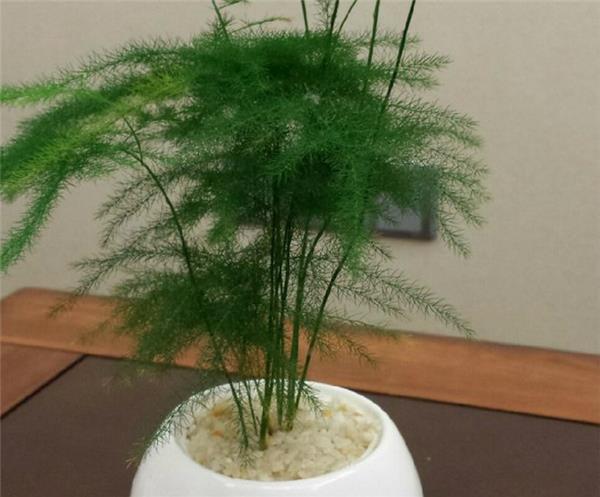
How to Grow Asparagus Fern Well
1. Soil selection: Asparagus fern is generally suited to pot cultivation, because potting soil can ensure good drainage and is easier to amend with organic matter. The soil must also be clean, otherwise the plant will be harmed. The soil should be moist, and you should loosen the soil promptly to ensure air circulation.
2. Watering: Asparagus fern is actually not strict about water. The usual standard is to water when the soil has dried out, and when you water, water thoroughly, meaning the leaves should be watered too, but be careful not to cause waterlogging. In spring and autumn the air is relatively humid, so water according to the standard, while in summer the soil dries easily, so you may appropriately mist the leaves.
3. Fertilizer control: Asparagus fern is actually not so fond of fertilizer, unlike pothos, snake plant and the money tree, so a light fertilizer is enough. Generally use a nitrogen-based fertilizer, and fertilize once a month, otherwise, because the potting soil is relatively limited, nutrients cannot be replenished in time and the plant will show signs of poor health.
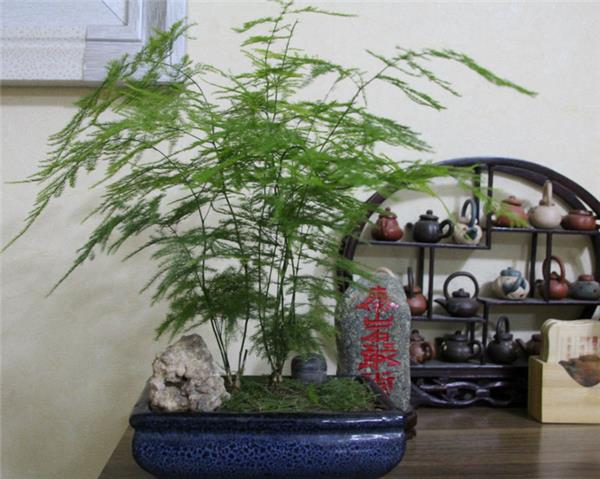
4. Light duration: Asparagus fern is a semi-shade plant and should not be exposed to sunlight for long periods, especially the summer sun, which must be blocked in time. In spring and summer it can be given appropriate sun exposure.
5. Temperature regulation: In daily care, asparagus fern only needs temperatures above 10°C to grow normally. In summer, place it in a ventilated, shady spot and water appropriately to cool it down, while in winter the indoor temperature must be kept above 5°C, otherwise the plant will be frostbitten and die.
6. Environment selection: Asparagus fern is rather delicate and can be said to love cleanliness, so if it is placed where there is smoke or a lot of soot and dust, its leaves will turn yellow and dry up.
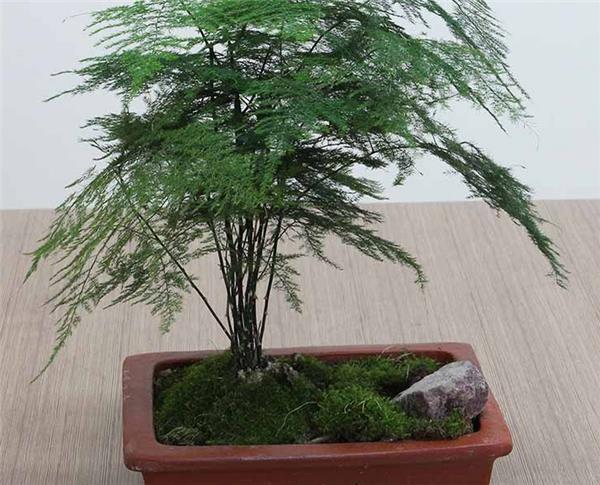
Precautions for Growing Asparagus Fern
First, asparagus fern is not cold-tolerant and cannot overwinter outdoors in the north. When the temperature drops, the asparagus fern should be moved indoors in time, and in winter it needs a growing environment above 15°C.
Second, do not water frequently; instead, mist the leaf surface regularly. In summer, mist the leaf surface 1 to 2 times a day; in winter, as long as the soil is kept moist, misting the leaf surface once every 3 to 4 days is enough.
Third, keep the potting soil half-dry and slightly on the moist side; if the potting soil is too dry, the asparagus fern leaves will turn yellow or the branches and leaves will scorch and wither.
Fourth, do not use tap water straight from the tap to water the plant. Let it sit for 1 to 2 days first, and do not let the water temperature get too cold.
Fifth, do not apply raw fertilizer (some people growing asparagus fern pour children's urine directly onto the roots, and as a result the roots are burned to death); raw fertilizer must be fully decomposed (method: pile human and animal manure together and let it ferment fully).
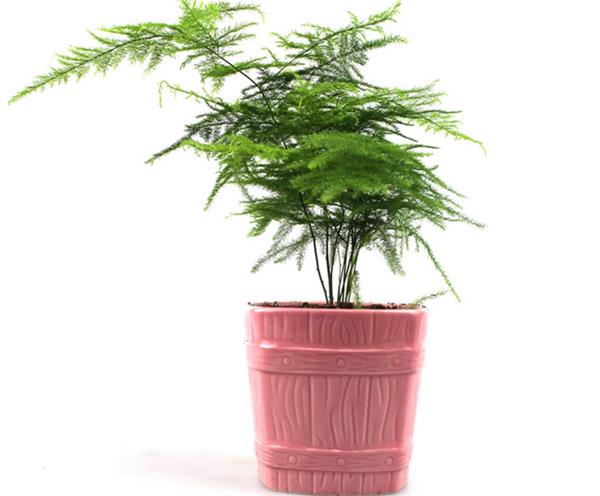
Sixth, in spring and autumn apply a thin fertilizer once a week, and in winter apply a thin fertilizer once every half month. It is best to use a compound flower fertilizer.
Seventh, asparagus fern dislikes smoke and dust. If a coal stove or charcoal fire is used for heating in winter, ventilate appropriately every day.
Eighth, keep asparagus fern away from marble-type decorative items. Asparagus fern has a strong ability to absorb gaseous mercury, but note that absorbing mercury gas will also harm the asparagus fern itself. Therefore, when placing asparagus fern, keep it away from decorative materials that release mercury gas.
Ninth, prune asparagus fern in time. If the branches are too dense, they affect ventilation, light and ornamental value, so prune in time. If the suckering roots multiply too much, divide and repot them in time as well.
Tenth, tying up asparagus fern can make its form more beautiful, but it is not suitable to use too thick string or string with too great a color contrast. Bamboo strips and wooden strips should not be too thick either, otherwise the slender asparagus fern will look too weak by comparison.