What to Do When Spider Plant Leaves Turn Yellow? Causes and Solutions
Spider plants are a very easy-to-grow indoor foliage plant, and they are also a plant commonly seen in our daily lives. However, sometimes we notice that spider plant leaves turn yellow. Today we will explain the causes and treatments for yellowing spider plant leaves.
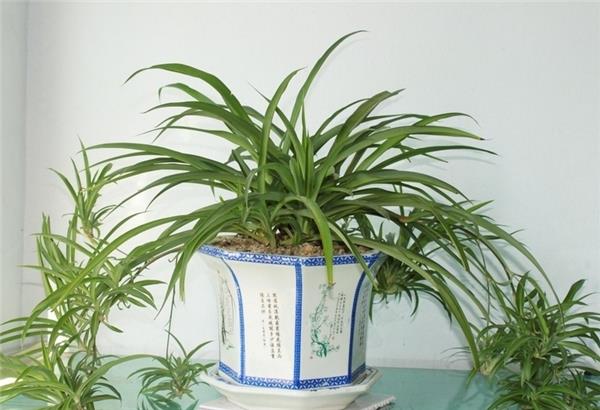
Causes and Treatments for Yellowing Spider Plant Leaves
1. Improper fertilizing: Excessive fertilizing causes leaves to turn yellow. When fertilizing exceeds the plant's needs, the leaves first become shiny and uneven, and later the root system rots and the leaves turn yellow.
Treatment: Stop fertilizing, water more with plain water, or repot and clean the roots, then replace with new soil.
2. Nutrient loss: The various nutrient elements contained in the potting soil have been depleted, and the three key elements nitrogen, phosphorus and potassium have not been replenished in time. The plant lacks nutrients, and the leaves appear yellow and thin.
Treatment: Replace with fertile loam in time and water with alum fertilizer water.
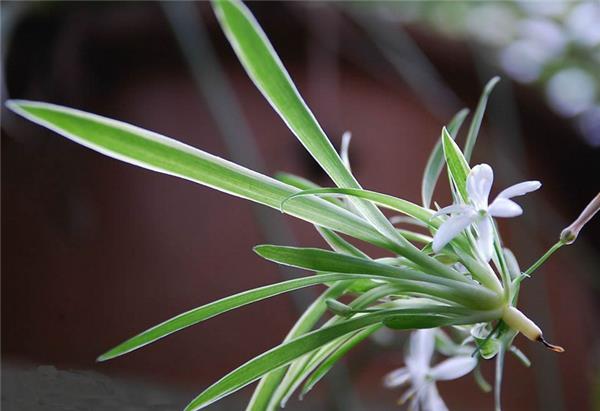
3. Insufficient sunlight: Although spider plants are semi-shade flowers, they still need at least four hours or more of diffused light each day; otherwise chlorophyll decreases and the leaves turn yellow.
Treatment: Take some free time each day to place the spider plant in the sunlight for a few hours, but it must not be exposed to too much direct sun.
4. Poor air permeability and water permeability of the potting soil: The potting soil stays waterlogged and does not dry out for a long time, root respiration becomes difficult, and this leads to yellowing leaves.
Treatment: Loosen the soil and control moisture in time. Fifth, watering has been insufficient for a long time. The spider plant's roots lose water, and the lower old leaves turn yellow. Water thoroughly and keep the potting soil warm and moist.
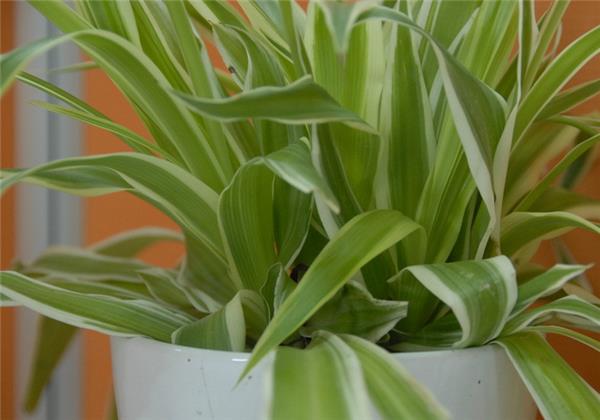
Next, let us look at how to care for spider plants.
1. Change soil and repot: For potted spider plants, in order to achieve lush stems and leaves, the soil should be changed and the pot replaced once every year in March. If the pot is relatively deep and the base fertilizer is sufficient, repotting can be done once every two years. When repotting, tap the plant out of the pot, cut off dead and rotted roots and excess roots, replace with new culture soil rich in humus, and then apply livestock hoof and horn pieces or decomposed cake fertilizer as base fertilizer. After planting, place it in a semi-shady, warm spot to recover. The optimum growth temperature for spider plants is around 25°C. After the plant has recovered and is growing vigorously, hang the flowerpot under a porch eave or in a suitable indoor position. Generally, the height should be such that it does not bump the head, and attention should be paid to ventilation.
2. Watering: Spider plants like a moist environment, and the potting soil should easily stay moist at all times. However, the fleshy roots of spider plants can store a large amount of water, so they have a relatively strong drought resistance and will not die of dryness even if not watered for several days. When the temperature is below 5°C in winter, water less, and do not let the potting soil become too wet, otherwise the leaves easily turn yellow.
3. Fertilizing: During the growing season, apply liquid fertilizer once every two weeks. For variegated varieties, apply less nitrogen fertilizer, otherwise the white or yellow markings on the leaves will become less obvious. Stop fertilizing when the ambient temperature is below 4°C.
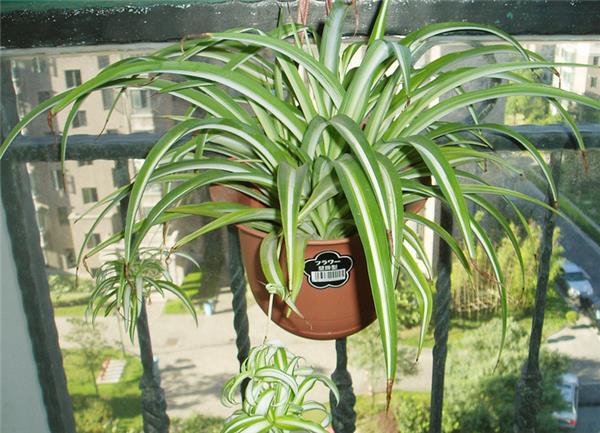
4. Pests and diseases: Spider plants have relatively few pests and diseases, mainly physiological ☆disorders☆, with leaf tips turning yellow, so fertilizer and water management should be strengthened. Check frequently and promptly remove scale insects, whiteflies and so on from the leaves. Spider plants are not prone to pests and diseases, but if the potting soil is waterlogged and ventilation is poor, besides causing root rot, root rot disease may also occur, so attention should be paid to spraying chemicals for prevention and control.
5. Light: Spider plants like a semi-shady environment and can be grown year-round in a bright room. Spider plants cultivated outdoors can also grow well under strong direct sunlight in summer. However, spider plants cultivated indoors for a long time should avoid strong direct sunlight and need 50-70% of the sunlight to be shaded.
6. Pruning: At ordinary times, cut off yellow leaves at any time. Once a year in March, the pot can be turned out and the old roots, rotted roots and excess fibrous roots cut off. In early to mid-May, cut off some of the old leaves of the spider plant, which will encourage more new leaves and small spider plantlets to sprout.