What are the effects and functions of pothos and spider plant
Pothos and spider plant, also known as pothos, is a large green climbing vine plant. Pure, elegant, and aloof from worldly strife, it is one of the objects for indoor potted ornamental viewing in modern times. So what are the effects of pothos and spider plant?
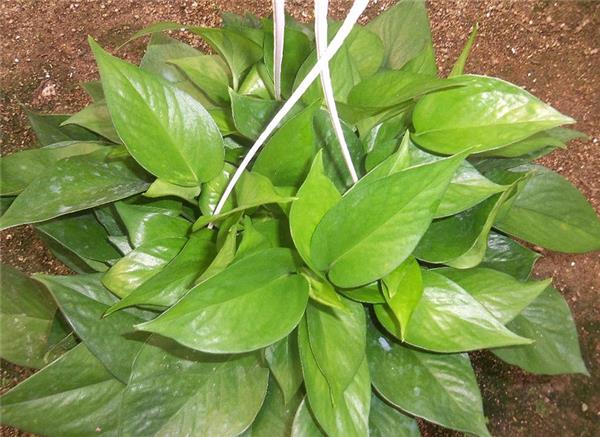
Effects of pothos and spider plant
1. Decorative effect. Pothos and spider plant is a common small green potted plant indoors. Growing such a pot of pothos and spider plant indoors or outdoors, seeing its vivid and dripping emerald green can give people an aesthetic sense of pleasure and make people feel relaxed and comfortable physically and mentally. Therefore, its decorative effect is very prominent.
2. Air-circulating effect. Pothos and spider plant can attract airflow and let indoor spaces ventilate and breathe. Why say this? Plants themselves also breathe, absorbing carbon dioxide and exhaling oxygen. Pothos and spider plant is generally placed by the window. When there is too much wind outside, it blocks a little of it. If there is no wind, it itself also releases new oxygen. The oxygen enters the space where we live, making us more energetic and making the indoor air fresher.
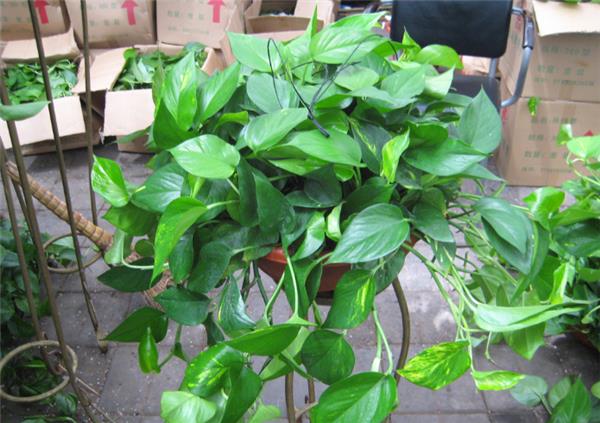
3. Air-purifying effect. Pothos and spider plant is very widely used in homes. It can decorate, purify air, absorb odors, and so on. Pothos and spider plant is a large evergreen climbing vine plant. Like spider plant and ivy plants, it has a very strong ability to purify air. Pothos and spider plant can absorb benzene, trichloroethylene, formaldehyde, and so on from the air. For a newly renovated new home, placing pothos and spider plant is most suitable.
4. Effect of absorbing kitchen odors. This is actually also one aspect of purifying air. Placing pothos and spider plant in the kitchen can effectively absorb some cooking-oil fumes caused by stir-frying and cooking, and remove some other kitchen odors. Let our kitchen maintain fresh air.
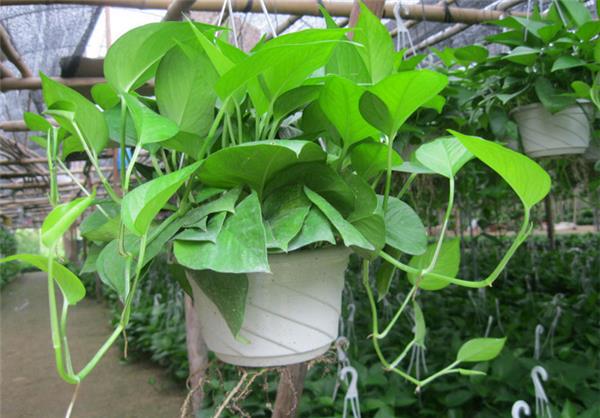
Precautions for growing pothos and spider plant
1. Temperature
In winter, pothos can safely overwinter above 10°C, and generally can grow normally above 20°C. Therefore, the general home environment is quite suitable for the growth of pothos. The original growing condition of pothos is in forests shaded by towering trees, so its phototropism is not strong. But in the north in autumn and winter, in order to supplement the lack of temperature and photosynthesis, its light exposure should be increased. The method is to place pothos in the place with the best indoor light, or move it to a sealed balcony at noon to bask in the sun. At the same time, when the temperature is low, windows should be opened as little as possible, because in a very short time, the leaves may be frostbitten.
2. Light
The phototropism of pothos is not strong. Therefore, when growing it, pothos needs to be placed in a place with better indoor light, and at noon it can be put in the sun to bask. In the north, with a room temperature above 10°C, pothos can safely overwinter, and with a room temperature above 20°C, pothos can grow normally. Generally, households have little problem reaching this temperature. What needs attention is to avoid too large a temperature difference, and also to note that the leaves should not be close to heating equipment.
3. Water
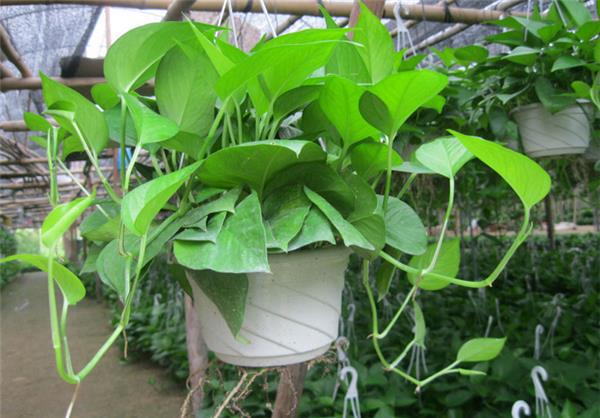
When planting pothos, do not water too much. Water can be sprayed at the rooting place, which can reduce the evaporation rate of water. Water every day to keep the soil moist, but there must be no water accumulation that breeds mosquitoes and insects. The amount of watering in autumn and winter should be strictly controlled according to room temperature. Before heating, the temperature is relatively low, the soil of the plant evaporates relatively slowly, and watering should be reduced. The water amount should be controlled between 1/4 and 1/2 of the original. Even after heating, watering should not be too frequent. When watering, pour less into the pot, and water should seep through the coir. In addition, water should also be sprayed at the places where aerial roots grow on the coir pole, to reduce insufficient water absorption by the roots caused by too rapid evaporation. For winter watering, water that has been left to stand for one day after being drawn is better. Water that is too cold easily damages the roots.
4. Fertilizer
For fertilizing the leaves of pothos, because ordinary inorganic fertilizers are difficult to absorb, special fertilizer needs to be used. In the autumn and winter seasons in the north, plants mostly grow slowly or even stop growing, so fertilization should be reduced. Before the beginning of winter, mainly apply liquid inorganic fertilizer by watering and spraying, about once every 15 days. After the beginning of winter, fertilization is mainly by foliar spraying, mainly sprayed through the stomata on the leaf surface. Fertilizer is absorbed through the stomata on the leaf surface, and the fertilizer effect can directly act on the leaf surface. Special fertilizer should be used for foliar fertilizer. Ordinary inorganic fertilizer is not easily absorbed by the leaf surface. Beida Flower Guardian series and Japan-produced Hana Ichiban, etc. can all be used as foliar fertilizer.