Why Is My Poinsettia Losing Leaves? Causes and Solutions
The poinsettia is not only beautiful and ornamental, it also symbolizes happiness, making it suitable as a blessing gift for anyone. But what should you do if your poinsettia starts dropping leaves? Below we share the causes and solutions for poinsettia leaf drop.
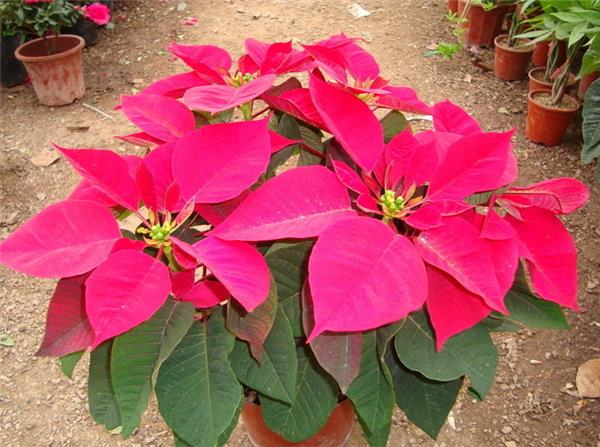
Causes and Solutions for Poinsettia Leaf Drop
1. Too Much Light
In summer, never expose a poinsettia to direct strong sunlight. If the sunlight is too intense and ventilation is poor, the high temperature and dryness can easily cause the poinsettia to drop its leaves.
Solution: In summer, place potted poinsettias in a well-ventilated spot, keeping a distance of 50 cm between pots. Spray water on the ground frequently to increase air humidity, which effectively controls leaf drop caused by high temperature and dryness.
2. Temperature Too Low
The poinsettia prefers a warm, humid and cool climate and is not cold-tolerant. The suitable growing temperature is 15-20°C. In winter, keep nighttime temperatures above 15°C, and never below 5°C, otherwise the leaves will easily fall off. Even opening a window once in winter to let in a cold draft can cause the plant to drop a large number of leaves.
Solution: Low temperature is the main cause of poinsettia leaf drop. For this reason, in winter it is best to keep the poinsettia in a warmer and more stable environment.
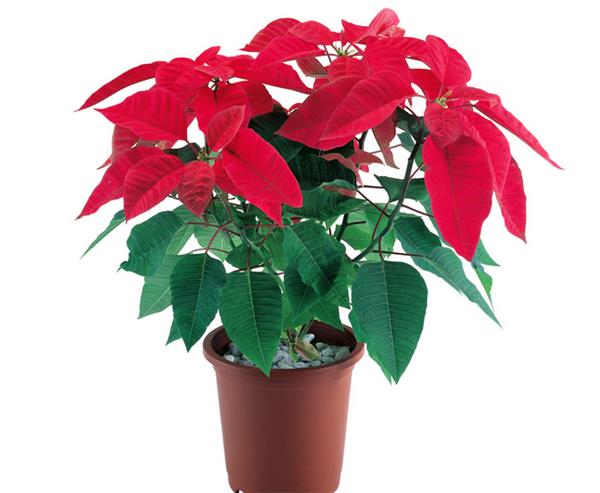
3. Overwatering
The poinsettia fears both drought and waterlogging. If the potting soil is too wet and the plant is too densely shaded, photosynthesis cannot proceed well, resulting in poor nutrition and leaf drop.
Solution: Water the poinsettia appropriately, not too much. If there is heavy rain, drain the water, or move the potted plant indoors before the rain.
4. Too Little Watering
The poinsettia likes moisture. If it is too dry and exposed to scorching sun, the plant will suffer physiological water shortage, causing the leaves to curl and drop in large numbers.
Solution: In spring, water the poinsettia once every 2 days. In summer, when the branches and leaves are lush and growth is fast, increase the amount of water and provide plenty of moisture.
5. Improper Fertilizing
The poinsettia likes fertilizer and needs more nitrogen fertilizer during the growing period. If nitrogen is insufficient, the lower leaves of the plant will fall off.
Solution: In addition to the base fertilizer applied when potting, within one month after pinching, apply diluted fermented cake fertilizer water once about every 7 days. Do not apply too much. During the flowering period, do not apply too much fertilizer, otherwise the bracts will become scorched. Before bringing the plant indoors in winter, applying 40% fermented human waste is sufficient.
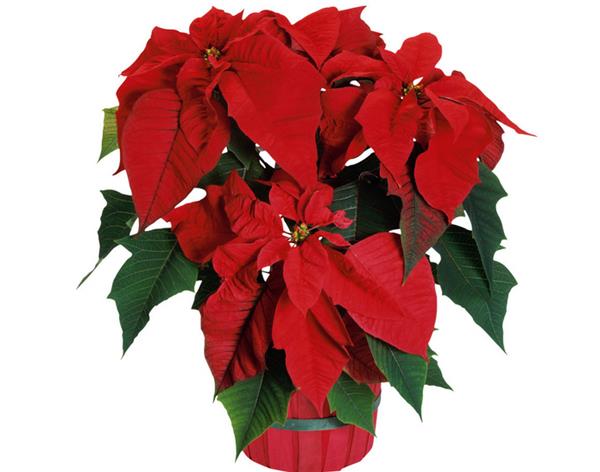
How to Prevent Poinsettia Leaf Drop
Low temperature is the main cause of poinsettia leaf drop. For this reason, in winter the poinsettia should be kept in a warmer and more stable environment. The poinsettia grows very slowly, so the frequency and amount of watering and fertilizing should also be gradually reduced. In winter, protect the poinsettia from cold and keep it warm. Watering once a week at noon on a sunny day is sufficient, and the water temperature should be close to the soil temperature. During the flowering period, do not apply too much fertilizer to the poinsettia, otherwise the bracts will become scorched. Before bringing it indoors in winter, applying 40% fermented human waste is sufficient.
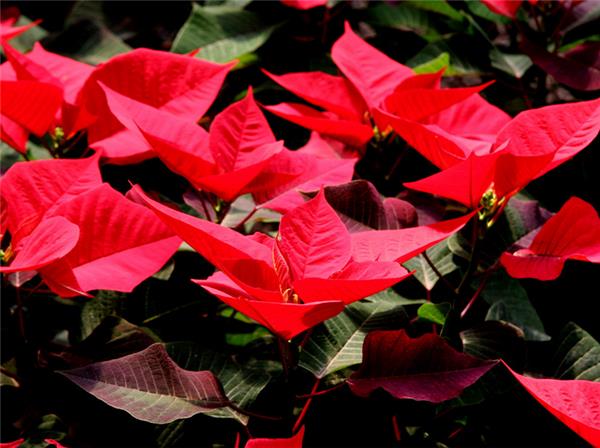
When the leaves of other plants have already withered, the poinsettia's leaves remain emerald green and fiery red, like an oasis in the desert, full of hope. Therefore, the flower meaning of the poinsettia is "oasis." People born under the blessing of the poinsettia have a kind heart that comforts others. If they direct that heart toward a particular person, he or she will immediately become your captive.