Is Cyclamen Toxic? How to Grow It and How to Fix Yellowing Leaves
First, how to grow cyclamen
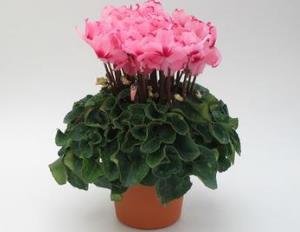
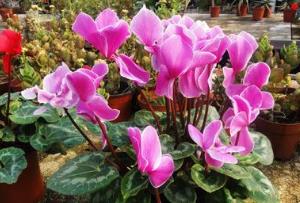
Also known as radish begonia, rabbit ear flower, rabbit flower, yipinguan, bonfire flower and fan-petal lotus, it is a perennial herbaceous plant in the genus Cyclamen, family Primulaceae. Cyclamen is a commonly grown ornamental flower, and its growing method suits indoor pots, while in winter it needs greenhouse cultivation. Some cultivated varieties of cyclamen have a rich fragrance, while others are lightly scented or scentless.
Cyclamen likes plenty of sunlight and a warm, humid environment; it dislikes heat and fears waterlogging. The most suitable temperature is 20°C; around 20°C is fine. Above 30°C it easily drops its leaves and goes dormant, and below that the corm is prone to frost damage, so the best growing environment for cyclamen in winter is greenhouse growth, requiring loose, fertile, well-drained soil.
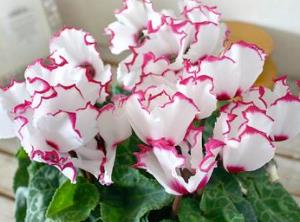
2. Control of temperature and light: Cyclamen is very sensitive to temperature and cannot tolerate high heat. Around 20°C during the day is the suitable growing temperature, and around 10°C at night; during the seedling stage the temperature can be slightly lower. Cyclamen likes sunlight, and extending the light duration can promote earlier flowering, so cyclamen should be placed in a sunny spot for care.
3. Management during the flowering period: When cyclamen's young buds appear, besides giving plenty of sunlight, spray with huaduozhuangdiling (flower stem strengthener), which can promote strong buds, plump petals, vivid flower color, rich fragrance and a longer flowering period.
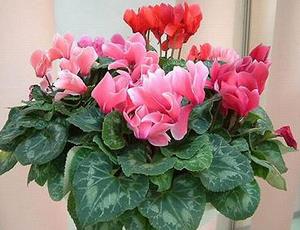
5. Prevent diseases and pests: Cyclamen suffers more from diseases than from pests. Common problems in cyclamen care:
① Gray mold, whose main symptom is water-soaked small spots 1-2 mm in diameter at the affected area, which then gradually expand and become brown rot.
② Soft rot, mostly caused by bacterial infection; the affected part becomes soft and rotten, and the affected area is mostly the corm. Spraying targeted medicine with added xinfeizhimo greatly increases the effective ingredient rate of the medicine.
Second, what to do when cyclamen leaves turn yellow
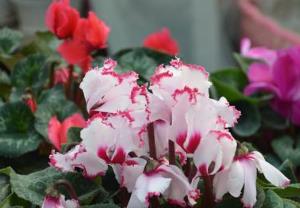
Cause 1 of yellowing cyclamen leaves: Spraying medicine that is too concentrated. Cyclamen damaged by pesticide shows this symptom, and clean water should be sprayed promptly to relieve it.
Cause 2 of yellowing cyclamen leaves: Sunburn during airing out. If the previous care environment had weak or somewhat poor light, a sudden change in light conditions will make it unable to adapt, especially when the outdoor temperature is high (it will go dormant); if the air is also dry, it easily turns scorched yellow.
Cause 3 of yellowing cyclamen leaves: Caused by drought. When placed outdoors for airing, the water in the pot soil is not sufficient; the outdoor high temperature plus too much ventilation makes the plant lose water very quickly.
Cause 4 of yellowing cyclamen leaves: It does not need repotting now; if it is not given dormancy in summer, repot it in autumn.
1. At a temperature of 17°C-18°C, watering cyclamen once every 3 days is enough; wait until the soil is completely dry before watering. In addition, to avoid cyclamen leaves turning yellow, be careful not to spray water on the leaves and flowers of cyclamen.
2. Flower lovers who grow cyclamen are advised to water it with purified water or boiled water that has been left to cool for a day after buying it, and apply a specialized fertilizer once every half month; this can effectively prevent cyclamen leaves from turning yellow.
3. After cyclamen leaves turn yellow, you can take the flower corm out of the pot and put it in a plastic bag, then place it in the refrigerator to chill, but the temperature should not be below 0°C. After the Start of Autumn, take the corm out, remove the old roots and dead leaves, and replant it in a pot. When new leaves begin to sprout, gradually resume normal water and fertilizer management.
Cyclamen is not only a highly ornamental plant, but also has a strong resistance to the toxic gas sulfur dioxide in the air. Cyclamen is somewhat toxic, especially the rhizome; accidental ingestion may cause symptoms such as diarrhea and vomiting; skin contact may cause redness, swelling and itching of the skin; if these symptoms appear, please consult a doctor for guidance, and do not let animals or children accidentally eat this plant or its rhizome. Poisoning symptoms: the tuber contains toxic plant alkaloids; if humans or livestock accidentally eat it raw or undercooked, there will be symptoms such as dizziness, vomiting and diarrhea.
Fourth, the feng shui role of cyclamen
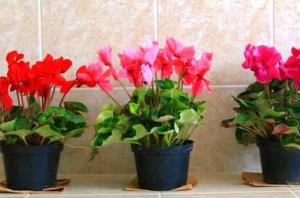
1. Cyclamen can be placed in the dining room or eating area at home. The dining room is where family members replenish their energy; a successfully laid out dining area can create a pleasant atmosphere, relax everyone eating, and also benefit diners' communication and harmonious living among family members. Therefore, greening and decorating the dining room is very important. Cyclamen can inject life and vitality into the dining area, add a cheerful atmosphere, and can also be placed on a wooden divider cabinet to divide the dining area from other functional areas. Placing a few pots of lush cyclamen appropriately in a corner of the dining area or on the windowsill will make the dining area full of life and stimulate the appetite.
3. It can be placed in the living room. The flower name of cyclamen implies welcoming honored guests and praying for good luck to arrive. Its refined flowers stand on tall flower stems, with a scene of varying heights, like a flock of birds flying in with spread wings, reminding people of the elegance of an immortal riding the clouds in a clear breeze. Such a potted flower can let visiting guests feel a sense of being warmly welcomed, and also keep the family safe and happy.
Watering cyclamen once every 3 days is enough; wait until the soil is completely dry before watering. In addition, to avoid cyclamen leaves turning yellow, be careful not to spray water on the leaves and flowers of cyclamen.
2. Flower lovers who grow cyclamen are advised to water it with purified water or boiled water that has been left to cool for a day after buying it, and apply a specialized fertilizer once every half month; this can effectively prevent cyclamen leaves from turning yellow.
3. After cyclamen leaves turn yellow, you can take the flower corm out of the pot and put it in a plastic bag, then place it in the refrigerator to chill, but the temperature should not be below 0°C. After the Start of Autumn, take the corm out, remove the old roots and dead leaves, and replant it in a pot. When new leaves begin to sprout, gradually resume normal water and fertilizer management.
Cyclamen is not only a highly ornamental plant, but also has a strong resistance to the toxic gas sulfur dioxide in the air. Cyclamen is somewhat toxic, especially the rhizome; accidental ingestion may cause symptoms such as diarrhea and vomiting; skin contact may cause redness, swelling and itching of the skin; if these symptoms appear, please consult a doctor for guidance, and do not let animals or children accidentally eat this plant or its rhizome. Poisoning symptoms: the tuber contains toxic plant alkaloids; if humans or livestock accidentally eat it raw or undercooked, there will be symptoms such as dizziness, vomiting and diarrhea.
Fourth, the feng shui role of cyclamen
1. Cyclamen can be placed in the dining room or eating area at home. The dining room is where family members replenish their energy; a successfully laid out dining area can create a pleasant atmosphere, relax everyone eating, and also benefit diners' communication and harmonious living among family members. Therefore, greening and decorating the dining room is very important. Cyclamen can inject life and vitality into the dining area, add a cheerful atmosphere, and can also be placed on a wooden divider cabinet to divide the dining area from other functional areas. Placing a few pots of lush cyclamen appropriately in a corner of the dining area or on the windowsill will make the dining area full of life and stimulate the appetite.
3. It can be placed in the living room. The flower name of cyclamen implies welcoming honored guests and praying for good luck to arrive. Its refined flowers stand on tall flower stems, with a scene of varying heights, like a flock of birds flying in with spread wings, reminding people of the elegance of an immortal riding the clouds in a clear breeze. Such a potted flower can let visiting guests feel a sense of being warmly welcomed, and also keep the family safe and happy.