What are the functions and uses of the oleander plant
Oleander is a very well-known flowering plant, but many people know that oleander carries a certain toxicity, so what are the functions of the oleander plant?
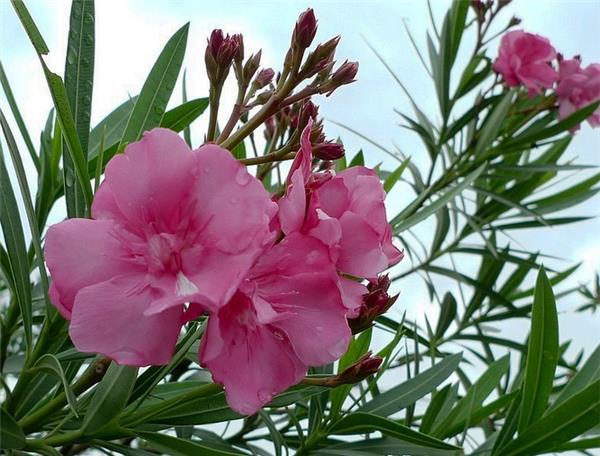
The functions of the oleander plant
1. Ornamental
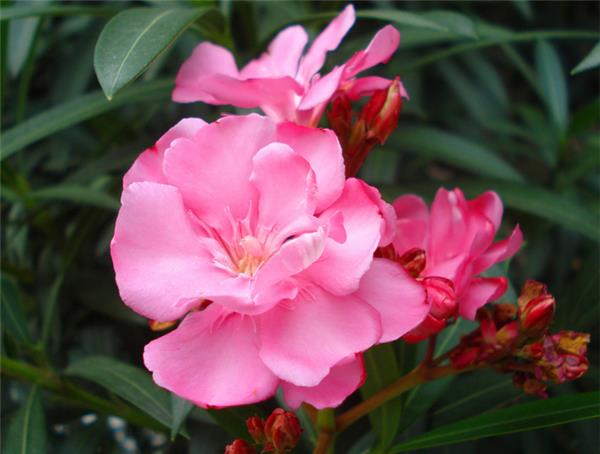
Oleander leaves are like willow and bamboo, with brilliant red flowers that surpass peach blossoms, the corolla ranging from pink to deep red or white, with a distinctive fragrance, and a flowering period from June to October. It is a famous ornamental flower.
2. Air purification
Oleander has the ability to resist smoke, resist dust, resist toxic substances, purify air, and protect the environment. The leaves of oleander are toxic to humans, and have a strong resistance to harmful gases such as sulfur dioxide, carbon dioxide, hydrogen fluoride, and chlorine gas. According to measurements, potted oleander at 40 m from a pollution source suffers only mild damage, and at 170 m is basically unharmed, still able to bloom normally, and the sulfur content of its leaves is more than 7 times higher than that of unpolluted ones. Even if oleander is covered all over with dust, it can still grow vigorously, and people call it the "environmental guardian."
3. Medicinal use
Modern medical research has proven that oleander leaves contain various substances such as oleandrin and glycosides, and the flowers contain components such as digitalis glycosides, aglycones, and nerigoside. They have significant cardiotonic, diuretic, diaphoretic, emetic, and analgesic effects, similar to digitalis, and belong to the class of slow-acting cardiac glycoside drugs. Clinical reports state that the water decoction of oleander is suitable for heart failure caused by various reasons, and good results have been achieved. Oleander is bitter and cold, and toxic; it can be used to treat heart disease, heart failure, and amenorrhea, and can also be used for traumatic injuries, blood stasis, swelling, and pain.
4. Industrial raw material
The seeds of oleander contain 58.5% oil and can be pressed to make lubricating oil.
5. Textile raw material
The stem bark fiber of oleander is an excellent blending raw material.
In addition, oleander has a certain toxicity, and its stems and leaves can be used to make insecticides.
We mentioned above that oleander is toxic, so what exactly is going on?
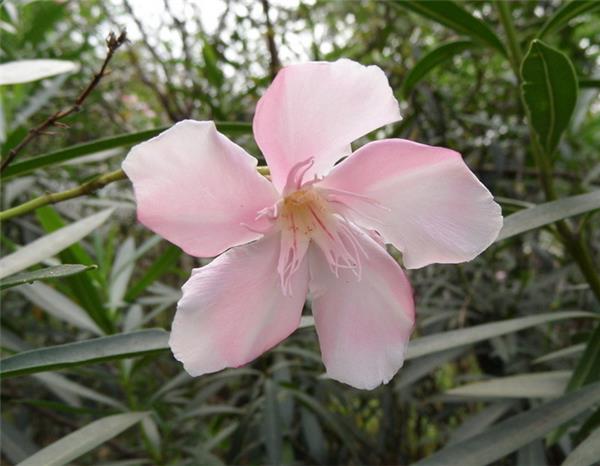
Oleander, with leaves like willow and bamboo, brilliant red flowers that surpass peach blossoms, the corolla ranging from pink to deep red or white, with a distinctive fragrance, and a flowering period from June to October, is a famous ornamental flower. The leaves, bark, roots, flowers, and seeds contain various glycosides and are toxic; accidental ingestion by humans or livestock can be fatal. Cardiotonic agents can be extracted from the leaves and stem bark, but they are toxic and should be used with caution. The leaves of oleander have a strong resistance to harmful gases that are toxic to humans, such as sulfur dioxide, carbon dioxide, hydrogen fluoride, and chlorine gas.
Oleander - the whole plant is highly toxic (oleander has a very strong ability to absorb dust-like particles and toxic gases), and accidental ingestion by humans or livestock is dangerous, so it should be avoided to plant it near wells and drinking water pools. The floral fragrance of oleander can make people drowsy and reduce intelligence; the milky white liquid secreted by the stems, leaves, bark, flowers, and fruits all contains a highly toxic substance called oleandrin, and excessive contact can easily induce cancers of the respiratory and digestive systems. However, a small amount of short-term contact will not cause too much of a problem.
The toxicity of oleander leaves and petals is not great; the milky white liquid exuded from oleander stems and roots is more toxic. From the information we checked, we learned that this milky white liquid contains various cardiac glycosides, which can cause nausea, vomiting, abdominal pain, diarrhea, and abnormal heart rate in humans or other animals, and in severe cases can lead to death.
So oleander is toxic, and there is currently no specific antidote for symptomatic treatment, such as comprehensive measures including fluid infusion, detoxification, cardiac support, and nutritional supplementation. The roots, stems, leaves, and flowers of oleander are all toxic, but its toxicity is not great, and it does not matter if you do not eat it or eat only a small amount.
If there is a pregnant woman at home, oleander must not be kept, because:
1. Poisoning is caused by accidentally eating oleander leaves or stems. Oleander leaves are used clinically as a cardiotonic to treat heart disease. It is also an abortifacient; using its leaves as a decoction and giving it to pregnant women to drink can cause strong uterine contractions, is harmful to the fetus, and can induce miscarriage. One of the ancient solutions for artificial abortion was to use oleander. However, this method easily leads to accidents, because the dosage is difficult to control, and once overdosed, it will affect the heart and cause respiratory paralysis, causing death.
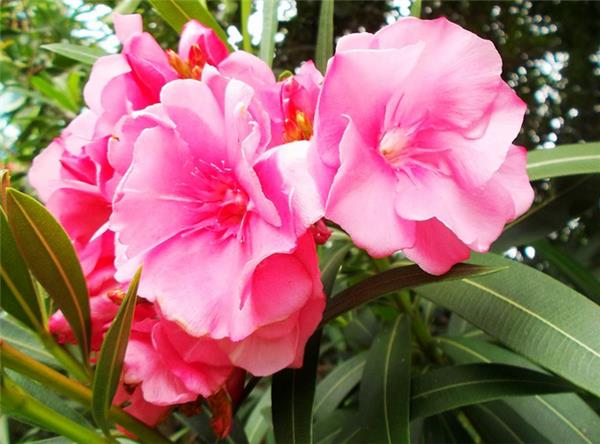
2. Oleander contains poison and is not easy for pregnant women to come into contact with. Oleander flowers are brightly colored and extremely easy to cultivate. However, its leaves, bark, flowers, and fruits all contain a highly toxic substance called oleandrin, and contact by pregnant women can cause poisoning, making people drowsy and lowering intelligence, and ingestion can cause nausea and blurred vision. It also has adverse effects on the fetus.
So for the sake of the pregnant woman and baby at home, it is better to stay away from oleander; not keeping it is the best option.
It also has adverse effects on the fetus.So for the sake of the pregnant woman and baby at home, it is better to stay away from oleander; not keeping it is the best option.