Can all aloe be eaten, and is long-term use harmful to health?
Aloe, commonly known as aloe (scientific name: Aloe), is native to the Mediterranean and Africa and is a perennial herbaceous plant of the family Asphodelaceae. According to research, there are more than 300 wild aloe species, mainly distributed in Africa and other places. This plant is quite popular with the public, mainly because it is easy to grow and is an ornamental plant with both flowers and foliage. Only six species are edible, and among them the aloe species with medicinal value mainly include: Aloe Barbadensis (also known as Barbados aloe or Aloe Vera), Curaçao aloe (distributed in northern Africa and the West Indies), Cape aloe (distributed in southern Africa), Yuanjiang aloe, and others. It can be used as a skincare product. Aloe gel has a certain anti-itch effect on mosquito bites. Aloe is a tropical desert plant and an excellent medicinal and health-care product; eating aloe regularly has many benefits.
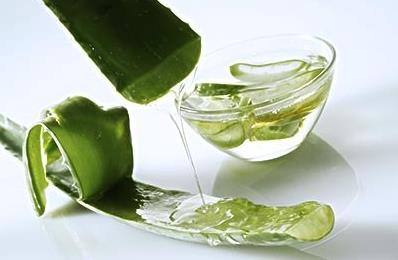
1. Detoxifying and anti-inflammatory. Aloe contains phenols, aloin, aloe tincture, organic acids and other components, which have a certain killing effect on bacteria, fungi, and viruses, and have a good therapeutic effect on respiratory and digestive tract inflammation. Conditions such as upper respiratory tract infections, pneumonia, enteritis, and dysentery can also be considered for treatment with aloe.
2. Strengthening the stomach and relieving constipation. Aloe can enhance gastrointestinal function and increase appetite. People with poor appetite and indigestion can eat aloe to improve gastrointestinal function and strengthen the constitution. Aloe can also purge and relieve constipation. Middle-aged and elderly people are prone to constipation, and constipation easily aggravates cardiovascular and cerebrovascular diseases and causes autointoxication; at this time, they can eat some aloe. Aloin can increase the secretion of digestive juices and promote intestinal peristalsis; generally, a bowel movement can occur 8-12 hours after taking it.

3. Supporting healthy qi and dispelling pathogens. Enhancing immunity. The mucopolysaccharides in aloe have a good effect of supporting healthy qi and dispelling pathogens, and can improve the body's immunity and enhance human immune function. For diseases such as tumors, high blood lipids, diabetes, hepatitis B, nephritis, and lupus erythematosus, eating an appropriate amount of aloe is greatly beneficial. Aloe also has anti-aging, anti-allergy, cardiac-strengthening, and diuretic effects, which are beneficial to the health of the elderly.
4. Beauty and skincare. The polysaccharides and various vitamins contained in aloe have good nourishing, moisturizing, and whitening effects on human skin; the gelatinous substance contained in aloe can make skin and muscle cells contract, protect moisture, restore elasticity, and eliminate wrinkles. Aloe has a good therapeutic effect on facial acne and pimples, whether taken internally or applied externally.

There are particular ways to eat aloe
Eating aloe is popular nowadays. Not only do restaurants supply aloe dishes, but many beauty-loving women also grow aloe on their own balconies so they can take it whenever they want. In this regard, nutritionists say: although aloe is good, eating it also requires attention to method and moderation.
Aloe contains various carbohydrates as well as amino acids, vitamins, minerals and other components, and has relatively high nutritional value. After being eaten, it can not only supplement trace elements, but also clear heat and reduce internal fire, detoxify, and beautify the skin. There are many ways to eat aloe, such as making aloe into salad, or cooking aloe with meat, and aloe can also be used as an ingredient in soup. These methods are used more often in restaurants, but if eating it at home, you can directly remove the thorns and peel from the aloe, wash it clean with water, then scald it with boiling water before eating, which is relatively simple. If you are interested, you can also juice the aloe and add granulated sugar and fruit juice to drink together; the prepared aloe juice can be stored in the refrigerator for 1 to 2 days.

However, aloe is not more beneficial to health the more you eat; there is a question of moderation. Aloe is cold in nature, and eating too much can cause vomiting and diarrhea. The general standard limit is that each person should not exceed 15 grams per day, and pregnant women, the elderly, and children should be even more cautious when eating aloe.
Also, not all aloe is suitable for eating. If you buy aloe yourself, take it home, plant it, and then eat it, you must explain this to the supplier, and they will introduce you to aloe that can be eaten.
To eat aloe, remove the peel and do not consume excessively
Regarding aloe feasts, aloe juice, and other healthy diets that emphasize aloe as the main ingredient, because the aloe peel contains aloe-emodin, which easily causes diarrhea, do not eat aloe over the long term, and even if you do eat it, be sure to remove the peel.

In the past, aloe was thought to have beauty and skincare functions, but it is actually an externally used medicinal herb, not a food for eating. In recent years, because aloe has been considered to have anti-inflammatory and sterilizing effects, it has become popular to classify aloe as a health food with shaping and external-use effects, and so-called aloe feasts and aloe juice have become very popular with consumers.
Because the aloe-emodin contained in aloe peel can cause diarrhea after being eaten, some people regard it as a holy product for weight loss. It should be noted that, according to an animal study conducted in the medical field, mice taking large amounts of aloe over the long term, especially aloe-emodin in the aloe peel, can induce stomach cancer. Therefore, it is recommended that aloe be peeled before eating.
Regarding eating aloe, there is currently no rigorous human experimental research report in the country. It is recommended not to take aloe over the long term, and when taking it, never exceed the proper amount. At the same time, young children and pregnant women should absolutely not take aloe, so as to avoid causing adverse consequences.