What are the benefits of aloe vera? A few ways to eat aloe vera
Aloe vera has medicinal and health-promoting properties. The benefits and effects of aloe vera are that it strengthens gastrointestinal function and has a good nourishing, moisturizing and whitening effect on human skin. Among the benefits, effects and edible methods of aloe vera, the commonly used ones include ways to eat aloe vera, Perfect Aloe Gel, aloe gel, which brand of aloe gel is best, and how to tell genuine Perfect Aloe Gel from counterfeit, etc.
Aloe vera is rich in niacin, vitamin B6 and others. It is a bitter stomachic and mild laxative, with anti-inflammatory, gastric mucosa-repairing and pain-relieving effects. It is beneficial for the treatment of gastritis and gastric ulcers and can promote the healing of ulcerated surfaces. For burns and scalds, aloe vera also has excellent anti-infection and healing-promoting effects.

It is also rich in chromium, which has an insulin-like effect and can regulate blood sugar metabolism in the body, making it an ideal food and medicine for people with diabetes; aloe vera is rich in biotin and others, making it an excellent choice for beauty care, weight loss and preventing constipation. It has a good regulating effect on fat metabolism, gastrointestinal function and the excretory system; the immune-reviving effect of aloe polysaccharides can improve the body's disease resistance. For various chronic ☆taboo☆ diseases such as hypertension, gout, asthma and cancer, using aloe vera alongside treatment can enhance the therapeutic effect and speed up the body's recovery.
However, not all aloe vera can be eaten. There are more than 500 varieties of aloe vera, but only a dozen or so can be used medicinally, and only a few varieties can be eaten. Aloe vera has a bitter taste; before processing, the green skin should be removed and it should be boiled in water for 3-5 minutes to remove the bitterness. For those with excess fire of the liver and gallbladder rising upward, with symptoms such as dizziness, restlessness of mind, delirious raving, constipation and dark, difficult urination, it can be used together with Angelica sinensis, Gentiana scabra, Gardenia jasminoides and Rheum officinale to clear and purge the liver and gallbladder and tackle the problem at its root. For children with malnutrition, a distended abdomen with visible blue veins and poor appetite with emaciation, it can be used together with Ulmus macrocarpa, Aucklandia lappa and Carpesium abrotanoides to eliminate malnutrition and kill parasites.
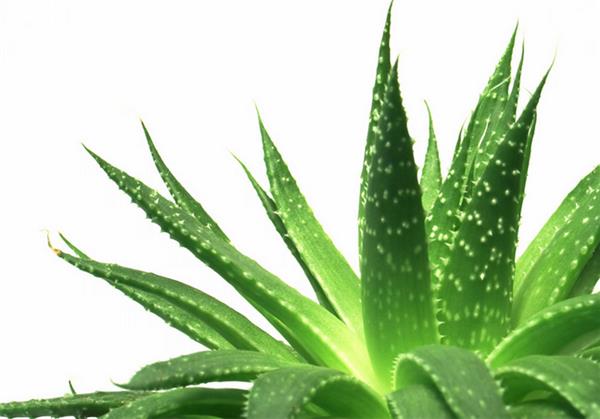
Aloe vera is a tropical desert plant with medicinal and health-promoting properties. Eating aloe vera should be based on each person's constitution. Aloe vera is more suitable for people with a excess-heat constitution, while it is not very suitable for people with a deficiency-cold constitution, or with yang deficiency or qi deficiency, such as those with decreased sexual function, sensitivity to cold, insufficient energy, insufficient physical strength, decreased memory, insufficient vitality and so on.
1. Aloe vera strengthens gastrointestinal function and increases appetite. People with poor appetite or indigestion can eat aloe vera to improve gastrointestinal function and strengthen the body. Aloe vera can also purge and relieve constipation. Middle-aged and older people are prone to constipation, and constipation easily aggravates cardiovascular and cerebrovascular diseases and causes autointoxication, so at such times they can eat a little aloe vera. Aloin can increase the secretion of digestive juices and promote intestinal peristalsis; generally, a bowel movement occurs 8-12 hours after taking it.
2. Aloe vera contains phenols, aloin, aloe tincture, organic acids and other components, which have a certain killing effect on some bacteria, fungi and viruses, and a certain therapeutic effect on some respiratory and digestive tract inflammations. For conditions such as upper respiratory tract infections, pneumonia, enteritis and dysentery, it should be used according to syndrome differentiation, and it should not be used blindly to avoid causing harm.
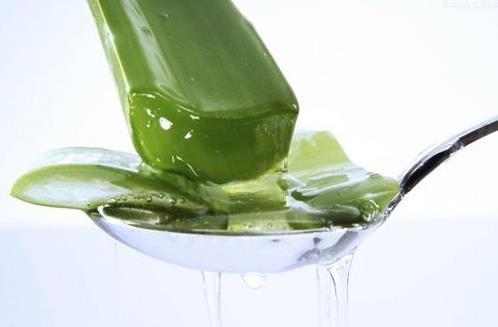
3. The polysaccharides and various vitamins contained in aloe vera have a good nourishing, moisturizing and whitening effect on human skin; the gel contained in aloe vera can make skin and muscle cells contract, protect moisture, restore elasticity and eliminate wrinkles. Aloe vera has a good therapeutic effect on facial acne and pimples, whether taken internally or applied externally.
4. The mucopolysaccharides in aloe vera have a very good effect of supporting healthy qi and dispelling pathogenic factors, can improve the body's immunity and enhance human immune function. For conditions such as tumors, high blood lipids, diabetes, hepatitis B, nephritis and lupus erythematosus, eating an appropriate amount of aloe vera is greatly beneficial. Aloe vera also has anti-aging, anti-allergic, cardiotonic and diuretic effects, which are beneficial to the health of older people.
Ways to eat aloe vera:
Aloe vera contains various carbohydrates as well as amino acids, vitamins, minerals and other components, and has relatively high nutritional value. After being eaten by humans, it can not only supplement trace elements, but also clear heat, reduce internal fire, detoxify and beautify the skin. There are many ways to eat aloe vera, such as making it into a salad, or cooking it together with meat, and it can also be used as an ingredient in soup. These methods are used more often in restaurants, but if eating it at home, you can simply remove the thorns and skin from the aloe vera, wash it clean with water, scald it with boiling water and then eat it. If you are interested, you can also juice the aloe vera and add sugar and fruit juice to drink together; the prepared aloe juice can be stored in the refrigerator for 1 to 2 days. Aloe vera not only has various medicinal effects, but also has many methods of use, mainly internal use and external use.

External use method: The leaves of aloe vera are rich in a sticky gel-like liquid. This liquid has the effect of preventing ulcers, promoting wound healing, stimulating cell growth and stopping bleeding. For external use, apply fresh leaves directly, or use a medicinal liquor made from aloe vera for external use. External use methods are relatively safe, and care should be taken to choose highly mature aloe vera leaves, so that the effect will be better.
Internal use method: The simplest and fastest way to obtain medicinal effects is to eat fresh leaves directly raw. Raw fresh leaves can also be made into thin slices, sweet-and-sour pickles, juice, or eaten after stir-frying in oil. Chewing raw aloe leaf flesh can have a relatively good conditioning and health-promoting effect. The appropriate amount of raw leaf eaten each time is 15 grams. For those who are not used to chewing raw aloe leaves, the method of taking fresh leaf juice can be adopted. Adults should take one spoonful each time, 2-3 times a day, and the amount for children and older people can be appropriately reduced. Making tea or liquor by steeping dried leaves, making powder or granular medicines, and making juice are all effective methods of internal use.
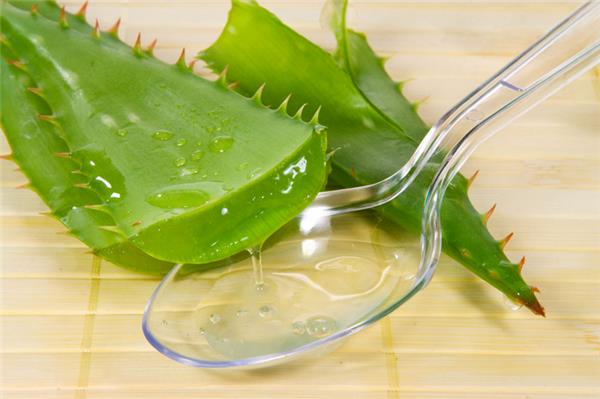
When eating aloe vera, a skin test should be done first, and only if there is no abnormal reaction can it be used. This is because some people's constitutions are allergic to aloe vera, such as redness and swelling, stinging pain, lumps and abdominal pain, and in severe cases there may also be a burning sensation in the abdomen. On first internal use, if symptoms such as nausea, vomiting or diarrhea occur, some are temporary phenomena. If this situation occurs relatively frequently, then the medicine should be stopped, the dosage reduced or it should be taken heated. If an allergic person wants to eat it, they can use a small amount externally or internally, and then slowly increase the amount after the body adapts.
1. Peel the aloe vera and cut it into small pieces, add tomato and sugar, and eat it as a cold dish.
2. Stir-fried aloe vera with shrimp, and you can also add a little celery; it tastes good.
3. Peel the aloe vera, cut it into small pieces, add water and boil it, and just add rock sugar when the water boils. This method is best for people who often have constipation.
4. Cut the aloe vera into strips, marinate them with fruit crystals, put them in the refrigerator, and take them out when eating. Winter melon can also be prepared this way. The aloe vera becomes full of the sweet-and-sour taste of fruit crystals, and it is cool and very refreshing.
External use method: The leaves of aloe vera are rich in a sticky gel-like liquid. This liquid has the effect of preventing ulcers, promoting wound healing, stimulating cell growth and stopping bleeding. For external use, apply fresh leaves directly, or use a medicinal liquor made from aloe vera for external use. External use methods are relatively safe, and care should be taken to choose highly mature aloe vera leaves, so that the effect will be better.
Internal use method: The simplest and fastest way to obtain medicinal effects is to eat fresh leaves directly raw. Raw fresh leaves can also be made into thin slices, sweet-and-sour pickles, juice, or eaten after stir-frying in oil. Chewing raw aloe leaf flesh can have a relatively good conditioning and health-promoting effect. The appropriate amount of raw leaf eaten each time is 15 grams. For those who are not used to chewing raw aloe leaves, the method of taking fresh leaf juice can be adopted. Adults should take one spoonful each time, 2-3 times a day, and the amount for children and older people can be appropriately reduced. Making tea or liquor by steeping dried leaves, making powder or granular medicines, and making juice are all effective methods of internal use.
When eating aloe vera, a skin test should be done first, and only if there is no abnormal reaction can it be used. This is because some people's constitutions are allergic to aloe vera, such as redness and swelling, stinging pain, lumps and abdominal pain, and in severe cases there may also be a burning sensation in the abdomen. On first internal use, if symptoms such as nausea, vomiting or diarrhea occur, some are temporary phenomena. If this situation occurs relatively frequently, then the medicine should be stopped, the dosage reduced or it should be taken heated. If an allergic person wants to eat it, they can use a small amount externally or internally, and then slowly increase the amount after the body adapts.
1. Peel the aloe vera and cut it into small pieces, add tomato and sugar, and eat it as a cold dish.
2. Stir-fried aloe vera with shrimp, and you can also add a little celery; it tastes good.
3. Peel the aloe vera, cut it into small pieces, add water and boil it, and just add rock sugar when the water boils. This method is best for people who often have constipation.
4. Cut the aloe vera into strips, marinate them with fruit crystals, put them in the refrigerator, and take them out when eating. Winter melon can also be prepared this way. The aloe vera becomes full of the sweet-and-sour taste of fruit crystals, and it is cool and very refreshing.