How to care for the Umbrella Tree (Schefflera arboricola) and points to note
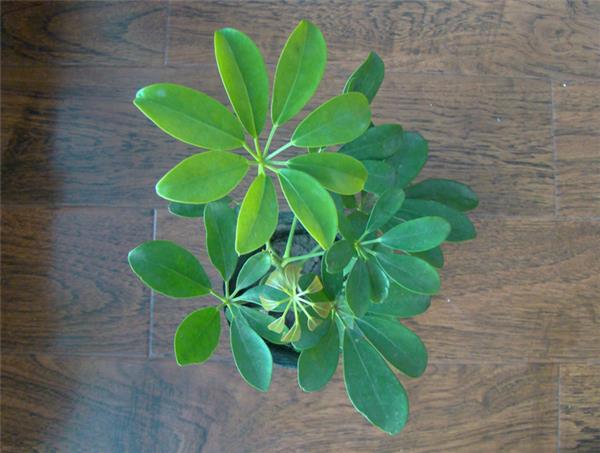
The Umbrella Tree gets its name because the shape of its leaves, when reversed, resembles a goose's foot. What follows is an introduction to Umbrella Tree care methods, so let's take a look!
A brief introduction to the Umbrella Tree
The Umbrella Tree is also called Schefflera arboricola. It gets its name because the shape of the Schefflera arboricola leaves, when reversed, resembles a goose's foot. The flower language of Schefflera arboricola is: naturalness and harmony. This is because Schefflera arboricola has tenacious growth and strong adaptability. It has the feel of a tropical jungle, presenting a luxurious and magnificent scene, giving a feeling of prosperity and new life on the earth, making life become optimistic and uplifting.
Umbrella Tree care methods
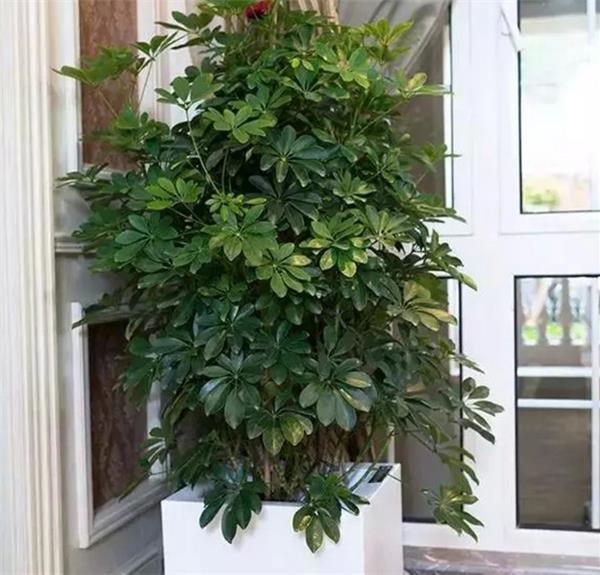
1. Soil: For the growing medium, peat soil, leaf mold with a little base fertilizer, or sandy soil can all be used for cultivation. Make sure the soil has good air permeability and drainage.
2. Temperature: The general growing temperature for the Umbrella Tree is 15-25°C. Below 5°C it will drop its leaves, and attention should be paid to ventilation at ordinary times.
3. Light: The Umbrella Tree is a semi-shade plant, and four hours of direct sunlight per day is enough; it must not be exposed to blazing sun.
4. Watering: In the three seasons of spring, summer and autumn, water roughly once every 3-4 days, but do not water too much; if water accumulates, it will cause the roots to rot, yet the soil must still be kept moist. In winter, reduce watering, and the water temperature is best kept close to that of the soil.
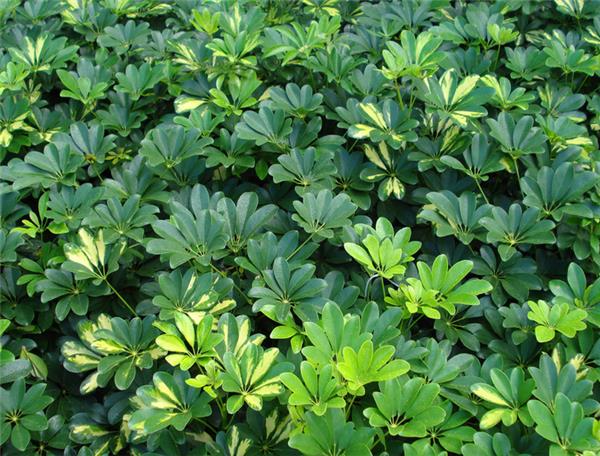
5. Fertilizing: The Umbrella Tree is mainly given a mixed fertilizer of nitrogen, phosphorus and potassium. If it is a variegated variety, too much nitrogen fertilizer and weak light will make the patches on the leaves less obvious.
6. Pruning: The Umbrella Tree generally does not need pruning. If the leaves fall and the lower branches are relatively bare, the upper part can be cut off, which promotes the sprouting of new branches. The cut-off parts can also be re-propagation by cuttings.
Points to note
1. The sap of the Umbrella Tree is toxic, but we need not "turn pale at the mention of poison"; its toxicity is mild. If you touch it, just wash it off with water, and even if swallowed by mistake it will not endanger life.
2. The Umbrella Tree cannot be exposed to direct blazing sun; it should be placed in a semi-shade environment. Usually, as long as there are four hours of light per day, that is enough.
3. Note that watering should be moderate; too dry will make the Umbrella Tree drop its leaves. If the weather is too dry, spray water on the plant, and in the rainy season you must prevent water accumulation from occurring.
4. If you want to propagate by cuttings, do not rush to repot the plant; wait until the plant is growing well and steadily before repotting, which can raise the plant's survival rate.
5. The Umbrella Tree is very sensitive to ethylene and must not be placed together with plants or other items that produce ethylene, otherwise leaf drop will occur.
That is all for today's introduction to Umbrella Tree care methods. I hope the above content can be of help to everyone!