When Does the Dragon Tree Bloom? A Detailed Guide to Its Flowering Period
Have you ever seen a dragon tree bloom? Do you know when the dragon tree blooms? Let's take a brief look below.
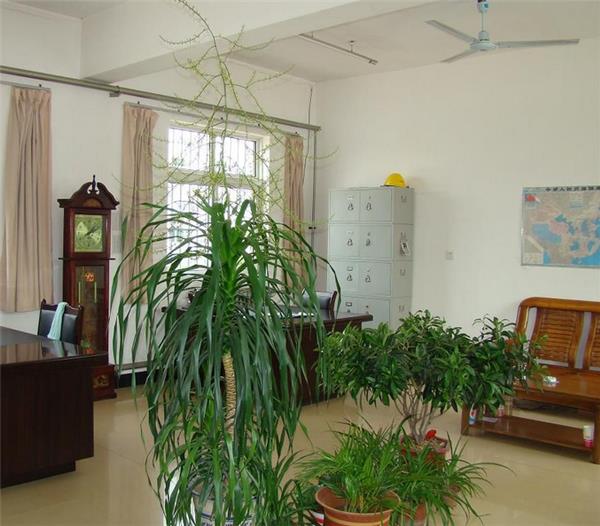
When Does the Dragon Tree Bloom
The dragon tree is a plant of the phylum Angiospermae, class Monocotyledoneae, order Liliales, family Liliaceae, genus Dracaena. Angiosperms are flowering plants, and all of them have flowers; it is just that some plants bloom rather rarely. The dragon tree is one such plant: it can only bloom when conditions are suitable and nutrients are sufficient. It is relatively difficult to get it to bloom when grown at home, so you need to wait patiently. As long as conditions are suitable, it will naturally bloom.
According to reports, the dragon tree blooms only once every few decades, and in some cases it blooms very rarely even over a hundred years. Experts say that the "evergreen pine" in the saying "longevity like the evergreen pine of the southern mountain" refers to this very tree. It is a very rare event for a dragon tree to bloom; it is said to be even harder than getting the sago palm (cycad) to bloom. The flower is not striking in appearance and looks quite unremarkable. The flowers are very small and white, as tiny as grains of rice, yet their fragrance is rich, and it can be smelled throughout the whole house. Moreover, it only opens at night and closes during the day, and it even drips droplets of water; when your hand touches these droplets, they feel sticky like honey.
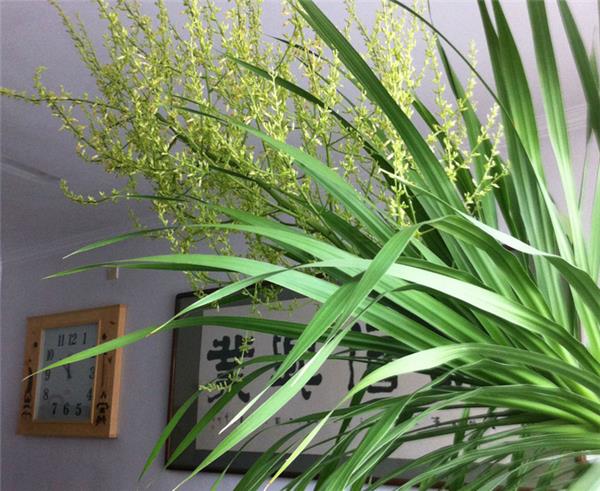
The Flower Language of the Dragon Tree
The flower language of the dragon tree is longevity. The dragon tree has a wonderfully beautiful tree shape and can be used as a landscape tree, with great ornamental value. Among the people, the dragon tree, praised as the "evergreen pine," is also an auspicious symbol of longevity and of protecting one's descendants. When the dragon tree is injured, it exudes a dark red resin, just as if it were bleeding. Legend has it that when a giant dragon and an elephant fought, the dragon's blood spilled onto the land and gave rise to the tree, which is how it got its name.
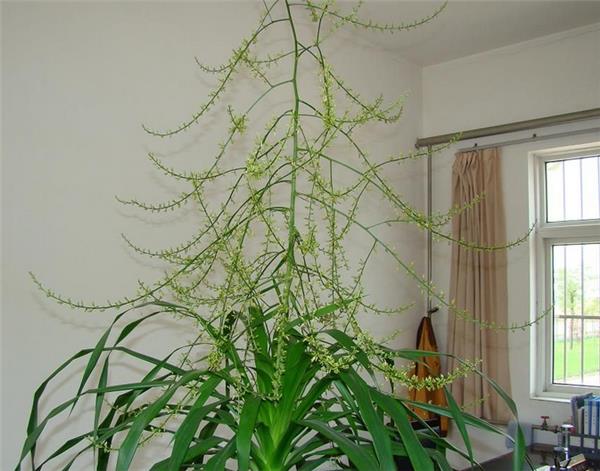
Notes on Growing the Dragon Tree
Fertilizer application:
When fertilizing the dragon tree, apply light fertilizer. Use less nitrogen fertilizer and more phosphorus and potassium fertilizer, to avoid the golden yellow markings on the leaves becoming indistinct due to excessive nitrogen fertilizer. Stop fertilizing during the winter dormancy period.
Watering requirements:
The dragon tree has a fairly strong drought resistance, so it should not be watered too much, to prevent the trunk from rotting. You can water once every ten days or half a month, keeping the potting soil slightly dry and moist.
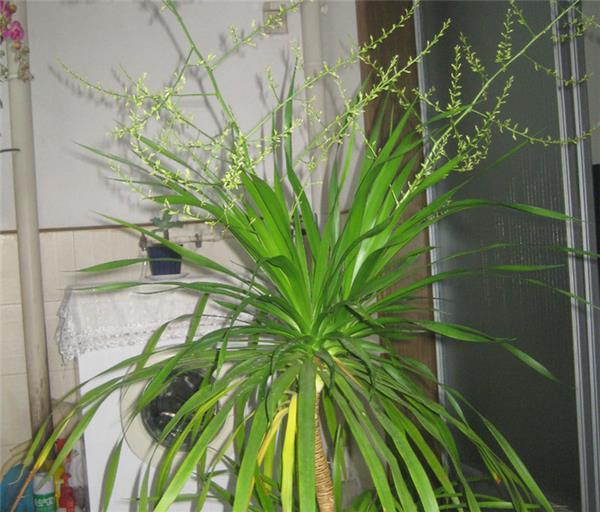
Propagation key points:
1. Removing from the pot and taking out the seedlings: Remove the dragon tree from its pot half an hour after watering. Be very careful not to break the soil ball; carefully use a knife to divide the soil ball into three parts of unequal size, with the roots as the guide, and try to damage as few fine roots as possible.
2. Potting: For potted dragon trees, a 12-20 cm pot is commonly used, and a 25 cm pot for one with 3 stems. For the soil, an equal mix of garden soil, leaf mold and river sand can be used. After planting the dragon tree well, water it thoroughly. If no roots were damaged, it can be cared for in normal sunlight. If roots were damaged, keep it in a cool, ventilated place; the time can only be determined according to the extent of root damage, but generally about one month is about right. Then gradually move it into the sunlight for normal care.
Pest and disease control:
Because the environment is dry, keeping the dragon tree for a long time on a balcony or an indoor windowsill makes it prone to red spider mites. Red spider mites, commonly known as "fire dragons," are a type of mite pest. They mostly gather on the underside of the plant's leaves, spinning webs as cover and piercing and sucking the sap. When the dragon tree is harmed by them, the leaves fade, the chlorophyll is destroyed, dense small yellow dots and small yellow patches appear on the surface, and the leaves gradually shrink, turn yellow and wither, and in severe cases fall off, losing their proper ornamental value.