Reasons and Solutions for Yellowing Leaves on Narcissus
What should you do when narcissus leaves turn yellow? If you would like to know, take a look at the introduction below!
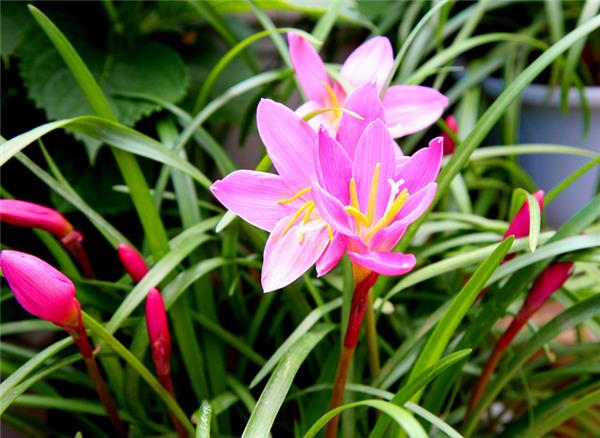
What to Do When Narcissus Leaves Turn Yellow
1. Improper Fertilization
a) Long-term nutrient deficiency: If no nitrogen fertilizer is applied or the pot and water are not changed, the water lacks nitrogen and other nutrients, causing the branches and leaves to become weak, with thin and yellow leaves. You need to promptly replace the water with fresh culture water and gradually apply more diluted, fully decomposed liquid fertilizer or compound flower fertilizer.
b) Over-fertilization: Too much fertilizer will cause new leaves to become thick and fleshy, often with bumps and uneven surfaces, while old leaves dry at the tips, turn scorched yellow, and drop off. Fertilization should be stopped immediately, and the amount of water changed should be increased so the fertilizer is leached away; or immediately repot, rinse the bulb with water, and replant it in the pot.
c) Pesticide irritation: Using pesticides at too high a concentration when controlling pests and diseases, or exposure to toxic gas pollution in the air, or suddenly watering with cold water when the temperature is high, can all easily cause the leaf tips or parts of the leaf surface to turn yellow and scorch, or even cause the whole plant to wither and die. Therefore, pesticides should be used reasonably, and efforts should be made to eliminate sources of air pollution. In midsummer, avoid watering flowers with cold water around midday.
2. Unsuitable Temperature
a) Hot, high temperatures: If narcissus is placed in a high-temperature spot and exposed to direct strong sunlight, it is very easy for the tips and margins of young leaves to scorch, or for leaves to turn yellow and drop. It should be moved promptly to a cool, well-ventilated place.
b) Too-low temperature: If the winter temperature is too low, narcissus suffers cold damage, which causes the leaves to turn yellow, and in severe cases they wither, turn yellow, and die. If the room temperature is too high, the plant's transpiration becomes excessive, and the roots cannot supply enough water and nutrients, which can also make the leaves turn yellow. Take care to adjust the room temperature in time.
3. Unsuitable Water and Soil
a) Iron deficiency in water: Because the water lacks soluble iron and other elements that the plant can absorb, the leaves gradually turn yellow. When planting, choose acidic water and soil, and frequently water with alum fertilizer water during the growing period.
b) Dry air: When indoor air is excessively dry, narcissus often shows dry leaf tips or scorched leaf margins. Take measures such as spraying water and covering with plastic film to increase air humidity.

4. Insufficient Light
If narcissus is kept in a shaded place or a spot with insufficient light for a long time, excessive shading will cause the branches and leaves to turn yellow. As long as it gets 6 hours of light per day, it can grow normally. If light is insufficient, the leaves tend to grow leggy, and it blooms little or not at all; if light is too strong, it is also unfavorable for growth.
5. Long-term Lack of Pruning
If the branches and leaves of narcissus grow too lushly and are not pruned for a long time, they become densely packed with no ventilation, so the inner branches and leaves receive insufficient light, which easily causes leaves to turn yellow and drop. Fertilize reasonably and strengthen pruning to allow ventilation and light penetration.
6. Damage from Pests and Diseases
Leaf spot disease caused by infection by fungi and other pathogens easily causes localized necrosis of the leaves, with yellow spots or patches appearing, and in severe cases the entire leaf withers, turns yellow, and drops. After infection by mosaic virus, yellow-green mottled patches appear on the leaves; damage by scale insects, red spiders, and other pests can also make leaves turn partially yellow and withered, or even cause entire leaves to wilt, turn yellow, and drop. In all cases, pesticides should be sprayed promptly for control.
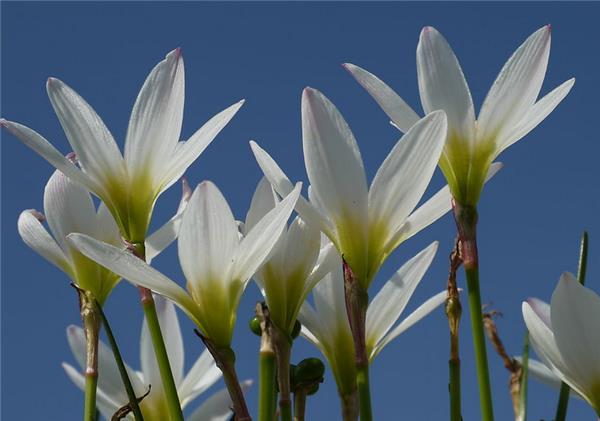
How to Grow Narcissus
1: Water Culture Method
The water culture method is the most convenient and also the most common method among the ways to grow narcissus. Before planting, you only need to remove the old roots and old stems of the narcissus, then place it in a bottle filled with water. It is worth noting that when growing narcissus by the water culture method, you should change the water for it every day and place it in a cool place, then move it to a spot with ample sunlight once it is about to bloom.
2: Paddy Field Cultivation
Paddy field cultivation is one of the methods for growing narcissus. The key point of paddy field cultivation is to choose soft soil, then irrigate the land so the soil below matures, and add a little fertilizer to increase the soil's nutrient content and reduce the harm of pests and diseases. After that, simply plant the narcissus in the paddy field.
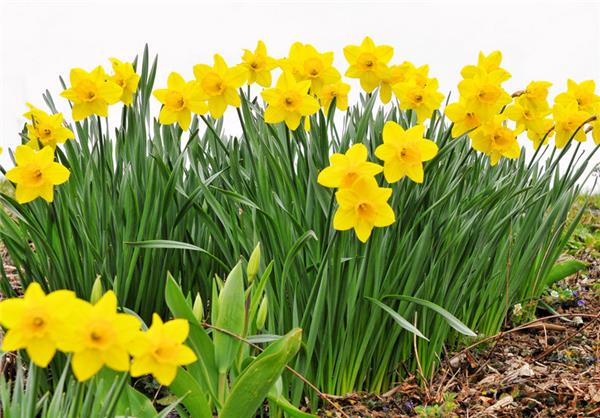
3: Sand Culture Method
The sand culture method is also one of the ways to grow narcissus. The key point of using the sand culture method lies in the choice of sand. To grow narcissus, choose fine sand and a pot with good breathability. After planting the narcissus in the sand pot, water it promptly, and do not place it under the blazing sun to avoid a state of water deficiency.
4: Soil Culture Method
Among the methods for growing narcissus, many people also like to use the soil culture method, and the key point of using the soil culture method lies in the choice of soil. We should choose soft, pest-free humus soil. As with the water culture method, before planting we should first remove the old stems from its roots before planting, then water it an appropriate amount and place it in a cool place.
Before planting, we should first remove the old stems from its roots before planting, then water it an appropriate amount and place it in a cool place.