What Are the Benefits of Pothos and Spider Plant? Pothos and Spider Plant Care Methods
With its plain, innocent and tranquil character, pothos and spider plant are deeply favored and loved by modern people. I believe many people pay attention to the benefits of pothos and spider plant and their cultivation methods, so I have given a simple introduction here below.
Pothos and spider plant, also known as devil's ivy and stone orange, is a large green climbing plant, widely used for indoor potted ornamental display, carrying the meaning of "watching over happiness", and is currently one of the very finest indoor decorative plants.
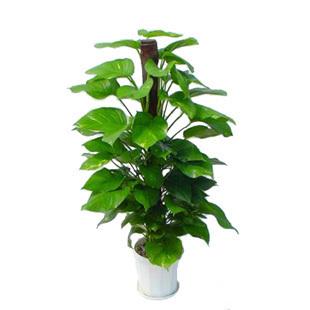
What are the benefits of pothos and spider plant?
Pothos and spider plant can not only effectively absorb carbon monoxide and harmful substances and release oxygen to purify the air; they green and beautify the home environment, and at the same time also have medicinal effects, used for bruises and injuries, and are also called the "environmental guards" of living spaces.
Most plants carry out photosynthesis during the day, absorbing carbon dioxide and releasing oxygen; at night they carry out respiration, absorbing oxygen and releasing carbon dioxide. Some plants are the opposite, such as the cactus, which releases carbon dioxide during the day and absorbs carbon dioxide and releases oxygen at night. In this way, placing a cactus in the bedroom at night can supplement oxygen and help with sleep.
Growing flowers and plants indoors can not only green and beautify the home environment, but also help people resist indoor harmful substance pollution and damage to human health. These flowers and plants can be called the "environmental guards" of human living spaces.
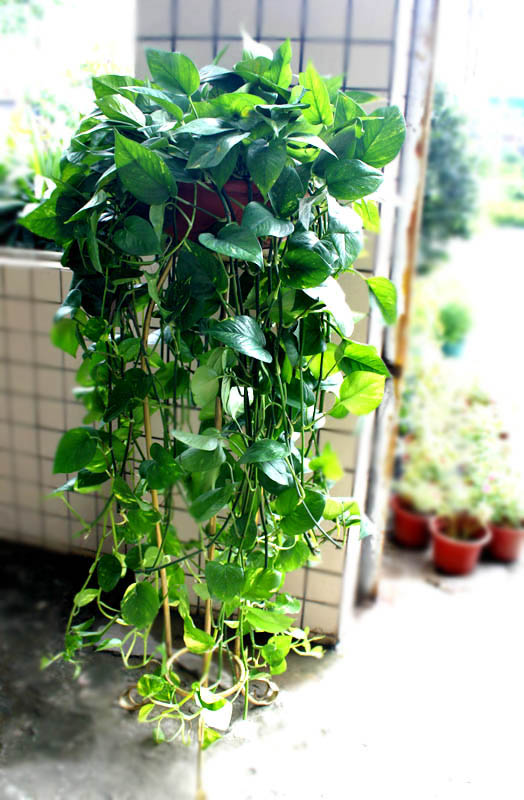
Cactus and ball cactus can absorb carbon dioxide and harmful gases from the air and release oxygen and negative oxygen ions.
Spider plant is an expert at purifying air. Within 24 hours, one pot of spider plant can absorb carbon dioxide, sulfur dioxide, chlorine peroxide and other volatile gases. At the same time, it can also absorb 96% of carbon monoxide and 86% of formaldehyde.
Snake plant can absorb nitrogen oxides and methane gas.
Dayflower has a strong ability to absorb sulfur dioxide.
Aloe can absorb 90% of the formaldehyde contained in 1 cubic meter of air.
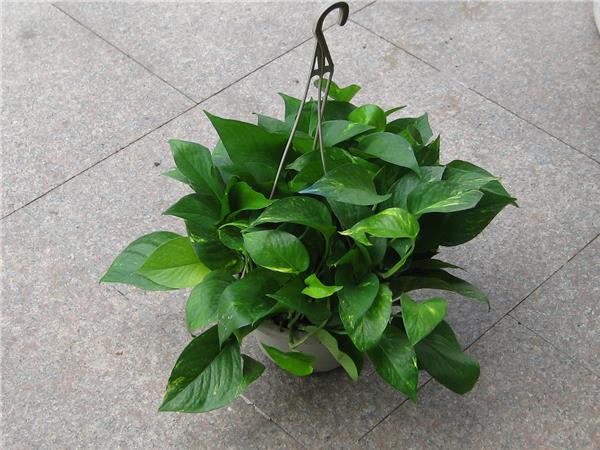
Agave can absorb 50% of formaldehyde and 24% of trichloroethylene.
Chinese rose and rose can absorb sulfur dioxide.
Ear fern, English ivy and chrysanthemum can break down formaldehyde present in carpets, insulation materials and plywood, and xylene in wallpaper. Under 24-hour lighting conditions, English ivy can also absorb 90% of the benzene contained in 1 cubic meter of air.
Anthurium can absorb xylene, toluene and ammonia present in synthetic fibers and paint.
Dragon tree and daisy can remove trichloroethylene.
Magnolia, osmanthus and wintersweet can absorb large amounts of mercury vapor from the air.
Pomegranate flower can reduce lead content in the air.
Mint can not only resist ozone, but also has a bactericidal effect.
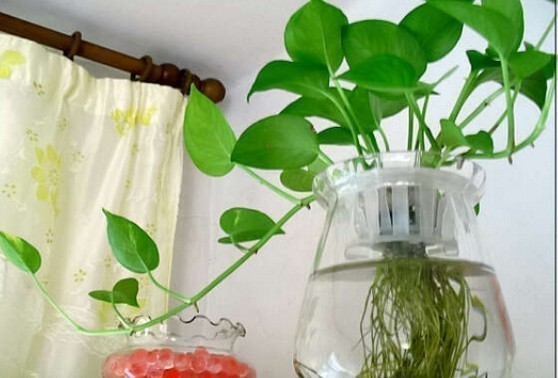
Pothos Care
Pothos develops best when cultivated in loose, organic-rich, slightly acidic and neutral sandy loam soil. It can be made by mixing and composting 70% leaf mold, 20% red loam soil, and 10% rapeseed cake and bone meal. Repot once every three years.
Pothos is a shade-loving plant, avoiding direct sunlight and preferring scattered light, and is fairly shade-tolerant. For indoor cultivation, it can be placed beside a window, but direct sunlight must be avoided. Too strong sunlight will scorch the leaves of pothos, while too much shade will make the beautiful markings on the leaf surface disappear. Generally, receiving four hours of scattered light gives the best growth and development for pothos.
Pothos likes relatively high air humidity and a moist environment. In midsummer, the peak growth period for pothos, you can spray the aerial roots and leaf surfaces several times a day. This can wash dust off the leaves, help pothos breathe, keep the leaf color emerald green and fresh, and also lower the leaf surface temperature, increase the air humidity of the micro-environment, and help the leaves grow better. Keep the potting soil at a moist level; when you find the potting soil turning white, water thoroughly. In winter, when room temperature is lower and pothos is in a dormant state, water less and just keep the potting soil from drying out.
The most suitable growth temperature for pothos is 20°C-28°C during the day and 15°C-18°C at night. In winter, as long as the indoor temperature is not lower than 10°C, pothos can safely overwinter; if the temperature is lower than 5, it easily causes leaf drop and affects growth.
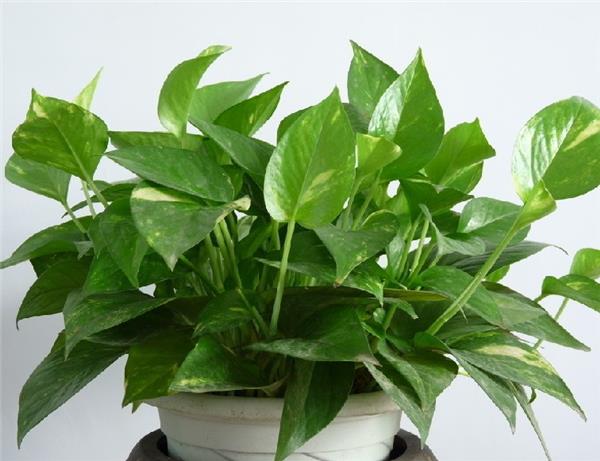
For fertilizing pothos, nitrogen fertilizer is the main type and potassium fertilizer is supplementary. Before the spring growth period of pothos arrives, apply a 0.3% solution of ammonium sulfate or urea once every 10 days or so, and use a 0.5‰-1‰ urea solution for one foliar feeding. This can both meet the growth needs of pothos and keep the leaves green and glossy. Fertilizing should stop in winter.
Pothos is usually propagated by cuttings and stem burial. Select a robust pothos vine, cut it into sections of two nodes, being careful not to damage the aerial roots, then insert into plain sand or coal cinders to a depth of 1/3 of the cutting, water thoroughly, place in a shaded spot, spray water on the leaf surface every day or cover with plastic film to retain moisture. As long as the environment is kept no lower than 20, the survival rate is above 90%.
The cultivation method for pothos and spider plant is actually not difficult. Generally, cutting propagation is used. In early spring and summer, take 15 to 30CM branches, remove the leaves, insert them into a pot with cultivation soil, place them in a cool and ventilated spot, and keep the potting soil moist. In about one month, pothos and spider plant will take root and sprout. Pothos and spider plant like a warm and humid environment, so the best cultivation method for pothos and spider plant is an environment with loose, fertile soil and good drainage.