Reasons for Yellowing Mint Leaves and How to Fix Them
The whole mint plant is fragrant, with opposite leaves, small light purple flowers in a lipped shape, and after flowering it produces small dark purple-brown seed-like fruits. Do you know what to do when mint leaves turn yellow? Below we look at the reasons for yellowing mint leaves and how to fix them.
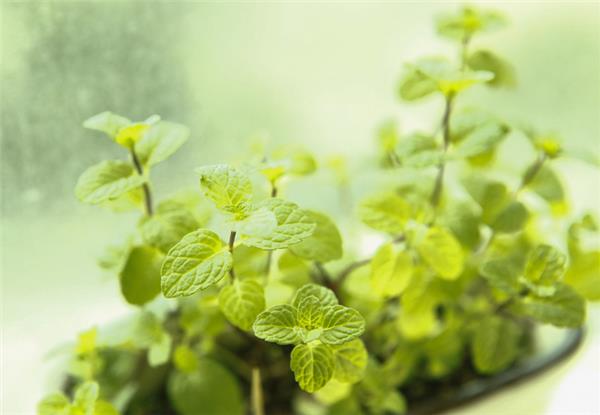
What to Do When Mint Leaves Turn Yellow
1. Sudden environmental changes cause mint leaves to turn yellow: 1) Yellowing leaves caused by overly wet watering; do not water too wet in normal care, as overly wet soil easily accumulates water, causing root rot and yellowing leaves. 2) Hard, compacted soil that is not permeable means water cannot penetrate into the soil layer after watering, so most of the roots cannot absorb water and nutrients, causing the leaves to lose water and nutrients and develop symptoms of yellowing and drooping.
Solution: It is best to water only after the soil has dried, and follow the rule of not watering until dry, which benefits root growth and makes yellowing leaves less likely. The best approach is to loosen the soil appropriately, which helps make the soil loose and breathable and improves drainage, benefiting root growth.
2. Overwatering causes mint leaves to turn yellow (water yellowing): When watering curly mint, pay attention not to water while the soil surface is still wet; when it is dry, water thoroughly. The water used can be plain water, and rice-rinsing water from home is best, as it is both nutritious and saves water.
Solution: Just pick off the yellow leaves, and be careful not to water too much; mint is very hardy. Even if after some time the leaves and stems all wilt, do not think it is dead; simply cut off the withered parts and wait quietly for new shoots to grow. Do not throw it away!
3. Long-term water shortage causes mint leaves to turn yellow (drought yellowing): wilting, scorching, and the leaves also become shriveled.
Solution: Mint is a very easy plant to grow, and failures in growing it are usually due to lack of water, which causes the plant to wither and die. But if your plant has white objects on it, that may also be caused by pests and diseases; if there is no open window to the outside on an indoor balcony, ventilation is poor and pests and diseases are more likely to occur. The next time this happens, it is recommended to prune the stems to 1/2 of their original length and spray some insect-repellent liquids, such as neem oil or lavender essence; usually healthy new branches will grow again. If water and pests and diseases are well controlled, plus good light and ventilation, mint can grow very well.
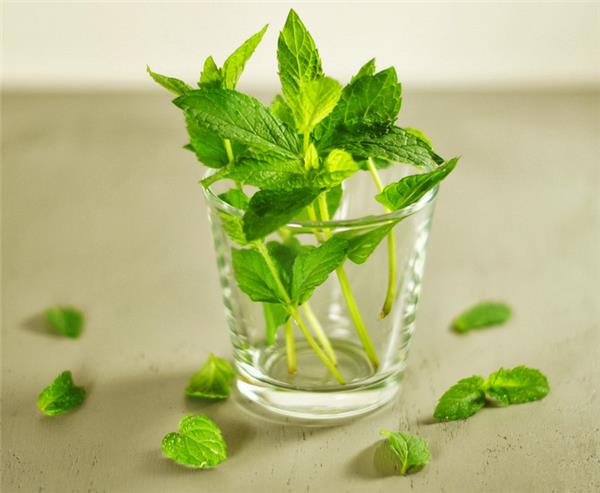
4. Dry air causes mint leaves to turn yellow: dry, withered leaf tips or scorched leaf margins appear.
Solution: Attention should be paid to methods such as misting and covering with plastic film to increase air humidity
5. Insufficient sunlight causes mint leaves to turn yellow (light-deficiency yellowing): Long-term excessive shade easily causes leggy growth and yellow leaves.
Solution: It is best to place it indoors in a sunny, ventilated spot, which benefits photosynthesis and reduces the problem of yellow leaves. It is even better to move it outdoors to get 1-2 hours of morning or evening sun.
6. Too high a temperature causes mint leaves to turn yellow: If the indoor temperature is too low in winter, flowers that like high temperatures are often susceptible to cold damage, which causes leaves to turn yellow and, in severe cases, to wither and die.
Solution: Please note to adjust the room temperature in time. It needs to be moved promptly to a well-ventilated, cool place.
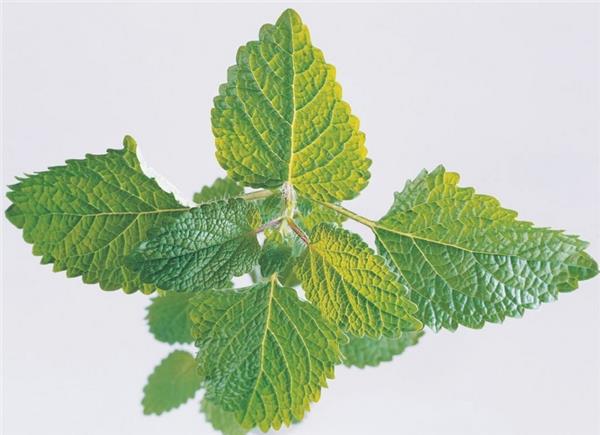
7. Too low a temperature causes mint leaves to turn yellow: If the room temperature is too high, the plant's transpiration is excessive, and the roots cannot supply enough water and nutrients, which can also make the leaves turn yellow.
Solution: Please note to adjust the room temperature in time.
8. Overfertilizing mint causes leaves to turn yellow (fertilizer yellowing): New leaves are thick and fleshy and mostly uneven, while old leaves have dry tips, scorched edges, and fall off.
Solution: Stop fertilizing immediately, increase the amount of watering so the fertilizer flows out through the drainage holes at the bottom of the pot, or immediately repot, rinse the root ball with water, and then replant it in the pot.
9. Root rot causes mint leaves to turn yellow: Leaves develop vertical wrinkling and deformities.
Solution: Find the rotted root area and use scissors to cut off the rotted roots from their base.
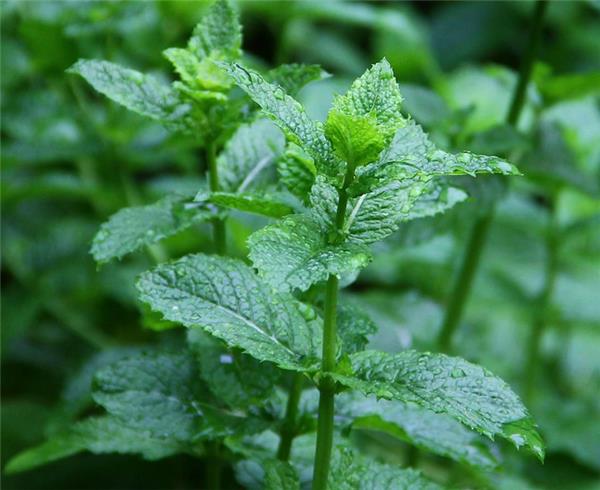
10. Pests and diseases cause mint leaves to turn yellow: Leaf spot disease caused by infection with fungi and other pathogens easily causes localized necrosis of leaves, with yellow spots or patches appearing, and in severe cases the entire leaf withers, yellows, and falls off. After infection by mosaic virus, yellow-green mottled patches appear on the leaves; when damaged by scale insects, red spider mites, and the like, the leaves also become locally yellow and withered, or even the whole leaf wilts, yellows, and falls off.
Solution: In all cases, spray pesticides promptly for prevention and control.