What is the flower language of the blue calla lily, and what does it represent
The calla lily is a common flowering ornamental plant, named for its flower shape, which resembles a horse's hoof, and it is often seen in flower shops. The calla lily is also used as the flower for bridal bouquets in Western weddings, symbolizing beautiful meanings. So, what is the flower language of the calla lily? And what does the rare blue calla lily symbolize?

The calla lily is a plant native to the wetlands of southern Africa. It belongs to the genus Zantedeschia in the family Araceae, and is also known as arrowleaf elephant ear, water taro, and Guanyin lotus. It is in great demand in the cut flower market and has broad prospects.
What does the calla lily represent?
Calla lily culture
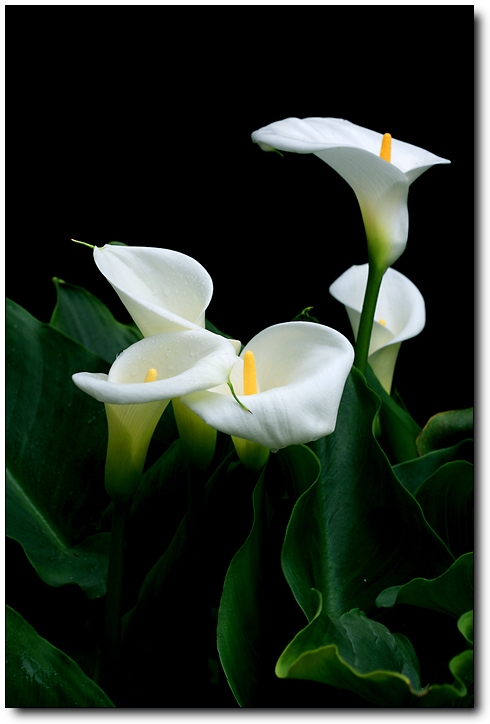
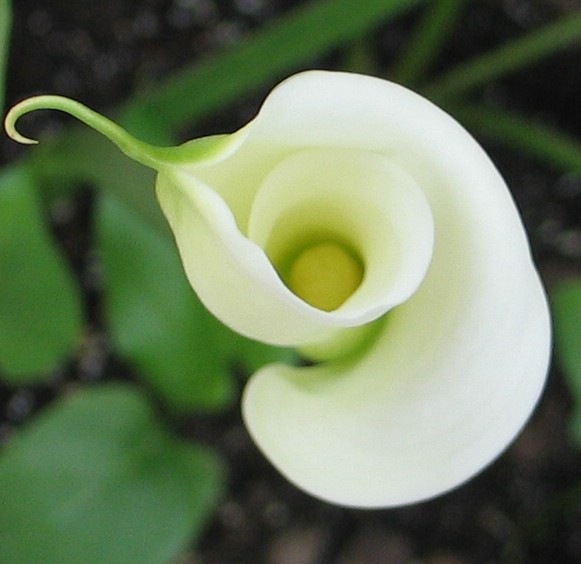
The calla lily grows with emerald green leaves and white jade-colored hoof-shaped flowers. Its flower shape is very distinctive and gives people a feeling of purity and elegance. The petals of the calla lily curl inward, showing a reserved and low-key attitude toward life, like a plain and unadorned girl who quietly exudes her own unique temperament without showing off.
Calla lily applications
In Western European and American countries, the calla lily is endowed with the beautiful meaning of sweet and eternal love, so it is used as the bridal bouquet at a bride's wedding. It not only implies a happy and fulfilling married life and love in the future, but also symbolizes the bride's holiness and nobility, with an elegant temperament that is extraordinary and refined. However, it should be noted that when used at weddings, calla lilies must be used in even numbers and must not appear as a single stem.
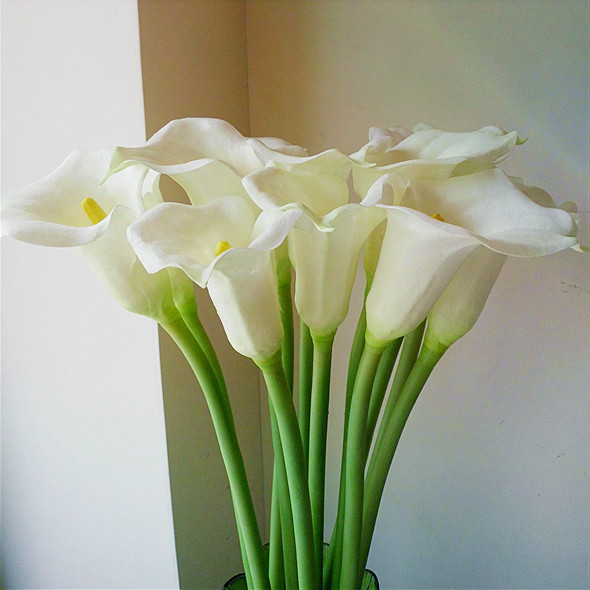
The flower language of the calla lily
Calla lily flower language one
The flower language of the calla lily can be described with many beautiful words: universal love, elegance, nobility, pure and flawless, hope, noble purity, pure friendship, eternity, piety, holiness, success and contentment, temperament... Through these words, one can see that they are all extensions of the culture contained in the appearance of the calla lily.
Calla lily flower language two
In addition, the calla lily is not only white. Through continuous hybridization and evolution, colored calla lilies have become increasingly rich in color. Different colors of calla lilies also correspond to different calla lily flower languages. For example, the flower language of the pink calla lily is a symbol of loving you for a lifetime; the flower language of the red calla lily is holy piety, eternal union, and good fortune; the flower language of the white calla lily is elegant beauty and unwavering loyalty; the flower language of the yellow calla lily is respect.
What does the blue calla lily represent?
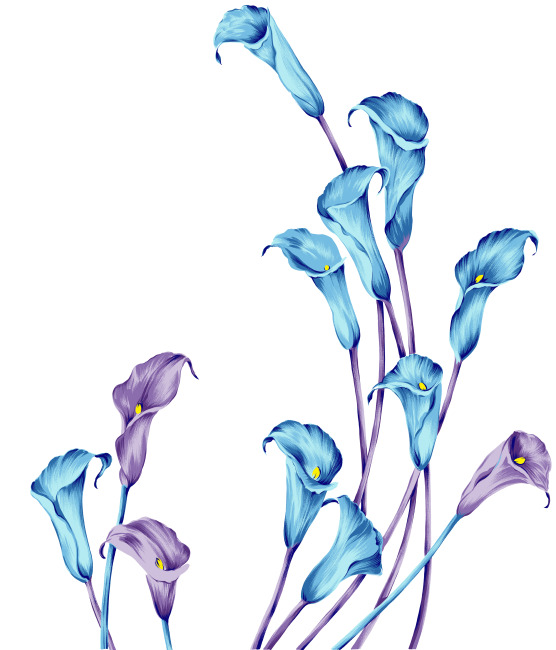
First of all, I must tell everyone that blue calla lilies do not exist in nature. The blue calla lilies sold on the market today are dyed by artificial means, by adding blue dye to white calla lilies, just like blue roses. Because they are rare, they are also unique. For this reason, the blue calla lily represents tainted love. So everyone must be very careful when giving flowers to others, and do not give the wrong ones.
Introduction to the cultivation methods of calla lily:
1. Soil: For growing calla lilies, the potting soil should preferably be a sandy acidic soil with good aeration and drainage. It is best to place a layer of coarse sand grains at the bottom of the potting soil to help the calla lily grow, then mix in one third garden soil and leaf mold, and add a small amount of organic fertilizer. The pot for planting calla lilies should preferably be a shallow pot.
2. Temperature: The calla lily likes a semi-shaded environment and should be avoided in strong light. The most suitable temperature for the growth of the calla lily is 22-30 degrees. When the temperature is below 20 degrees, the growth rate of the calla lily will become slow. It may even stop growing. The calla lily likes warm and humid environments, so when overwintering, special attention should be paid to keeping the calla lily warm.
3. Watering: Similar to other potted soil plants, watering the calla lily should be based on the dryness of the potting soil. Before watering, first check the condition of the potting soil. Usually, water can be sprayed on the surface of the potting soil and the surface of the flowers to keep the potting soil moist. During the growth period, the calla lily likes sufficient moisture, so water should often be sprinkled on the leaves and the ground, and attention should be paid to keeping the leaves clean.
4. Fertilizing: Phosphorus and potassium fertilizers are suitable fertilizers for fertilizing calla lilies. Fertile soil is beneficial to the growth of calla lilies, so thin fertilizer should be applied frequently to ensure that the potting soil has enough nutrients. For flower growers who want to save seeds, it is recommended that after the calla lily sets fruit, spray the calla lily with potassium dihydrogen phosphate solution once every 10 days, at a concentration of 0.1% to 0.2%.
5. Light: From the calla lily's own situation, during its growth process the calla lily relatively prefers a warm and shaded environment, but note that calla lilies at different growth stages have different light requirements. During the growth stage, the calla lily is relatively shade-tolerant. When it is in the vigorous growth period, it needs abundant light conditions. Especially when flowering. For the light and temperature care of calla lilies, note that the calla lily is relatively shade-tolerant in the early growth stage; in the vigorous growth stage it requires sufficient light; and at the flowering stage it needs even more sufficient light. During the flowering period, if the light is insufficient, it is easy for the buds to turn green or to remain in bud without blooming.
6. Propagation: Calla lilies can be propagated by seeds, and the seeds will germinate at a room temperature of 20 degrees. They can also be propagated by corms. When the calla lily enters dormancy, the small corms around the plant can be peeled off and replanted. It takes about 2-3 years to bloom. After sprouting, move them to a shaded shed with scattered light for care, and be careful not to expose them to direct sunlight or keep them fully shaded. Calla lilies prefer semi-shade and humid air. In summer, if measures such as cooling, increasing humidity, and preventing strong light exposure are not taken, leaf yellowing or wilting is most likely to occur.
7. Pest and disease control: When ventilation is poor during the growing season, calla lilies are most prone to aphid damage. When pests occur, spray 40% omethoate emulsion at 1500-2000 times dilution for control, and pay attention to improving ventilation conditions.
Everyone now has some understanding of the flower language of the calla lily, and I have also told everyone what the special artificial variety, the blue calla lily, represents. In the future, when giving calla lilies to friends or loved ones, be sure to remember this short article, give the right color, and give the right number. Otherwise, unnecessary awkwardness will make you a laughingstock.
But note that calla lilies at different growth stages have different light requirements. During the growth stage, the calla lily is relatively shade-tolerant. When it is in the vigorous growth period, it needs abundant light conditions. Especially when flowering. For the light and temperature care of calla lilies, note that the calla lily is relatively shade-tolerant in the early growth stage; in the vigorous growth stage it requires sufficient light; and at the flowering stage it needs even more sufficient light. During the flowering period, if the light is insufficient, it is easy for the buds to turn green or to remain in bud without blooming.
6. Propagation: Calla lilies can be propagated by seeds, and the seeds will germinate at a room temperature of 20 degrees. They can also be propagated by corms. When the calla lily enters dormancy, the small corms around the plant can be peeled off and replanted. It takes about 2-3 years to bloom. After sprouting, move them to a shaded shed with scattered light for care, and be careful not to expose them to direct sunlight or keep them fully shaded. Calla lilies prefer semi-shade and humid air. In summer, if measures such as cooling, increasing humidity, and preventing strong light exposure are not taken, leaf yellowing or wilting is most likely to occur.
7. Pest and disease control: When ventilation is poor during the growing season, calla lilies are most prone to aphid damage. When pests occur, spray 40% omethoate emulsion at 1500-2000 times dilution for control, and pay attention to improving ventilation conditions.
Everyone now has some understanding of the flower language of the calla lily, and I have also told everyone what the special artificial variety, the blue calla lily, represents. In the future, when giving calla lilies to friends or loved ones, be sure to remember this short article, give the right color, and give the right number. Otherwise, unnecessary awkwardness will make you a laughingstock.