What to Do When Sago Palm Leaves Turn Yellow? Cause Analysis and Solutions
Sago palm, also known as fire-avoiding banana, cycad, phoenix-tail cycad and so on, grows rather slowly and is a light-loving plant that tolerates partial shade slightly; it is a very common green plant. Do you know what to do when sago palm leaves turn yellow? Below we will look at the causes and solutions for yellowing leaves on sago palms.
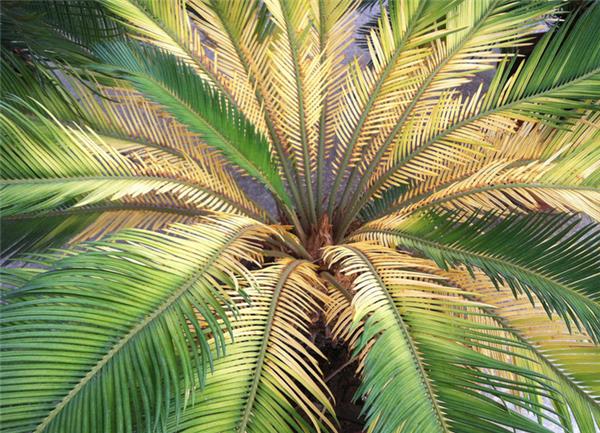
Causes and Solutions for Yellowing Leaves on Sago Palms
1. Soil on the alkaline side
Sago palm suits slightly acidic sandy soil; alkalization of the soil will cause its leaves to turn yellow. You need to water the potting soil with a 500-fold dilution of ferrous sulfate solution, once a week, for several consecutive waterings, which can improve the leaf color.
2. Insufficient light
When sago palm is growing new leaves, it must be kept in full sun; only after the leaves have hardened should it be placed in partial shade for viewing. If it does not get good light conditions during the growing period, it will not grow as desired.
3. Overwatering
Although sago palm needs a lot of water during the new-leaf growing period, the potting soil must not stay wet and waterlogged for a long time, otherwise the roots easily become oxygen-deficient, leading to poor growth and yellowing or stunted leaves. Solution: stop watering immediately.
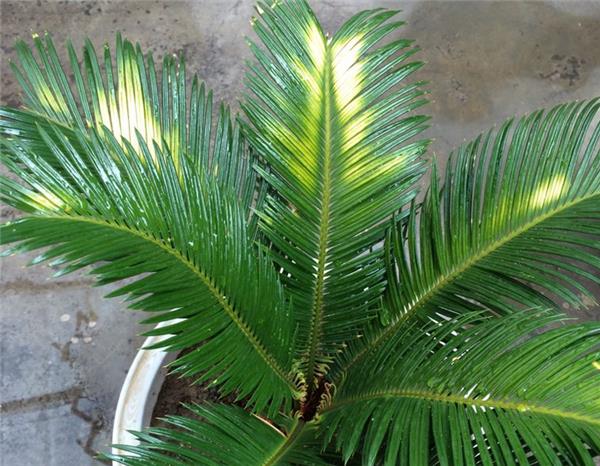
4. Underwatering
Sago palm can also develop yellow leaves due to lack of water and drought; its characteristic is that the old leaves turn yellow first from the bottom up. If the water shortage lasts a little longer, the whole plant's leaves will turn yellow and it may even die, so water it in time;
5. Overfertilizing
Sago palm can also develop yellow leaves due to too-frequent fertilizing or too high a concentration; the characteristic is that the young leaves are thick and fleshy, glossy, and uneven; you should reduce fertilizing, cultivate the soil, and water;
6. Underfertilizing
Sago palm can also develop yellow leaves due to insufficient fertilizer or too low a fertilizing concentration, and it is caused by too long an interval between fertilizings; its characteristic is that the young leaves and tender stems turn yellow first. If this phenomenon is seen and fertilizer is not applied in time, it can also cause the whole plant's leaves to turn yellow and even die; for flowers lacking fertilizer, never apply a large amount of concentrated fertilizer at once, to avoid burning the roots;
7. Pests and diseases
Pests and diseases are also causes of yellowing sago palm leaves. Check carefully whether there are insects on the leaves, such as red spider mites, scale insects, etc. You can spray essential balm or a 0.2% washing powder solution to eliminate them. If the leaves have yellow spots or yellow dots, you can spray garlic liquid or carbendazim and so on to sterilize.
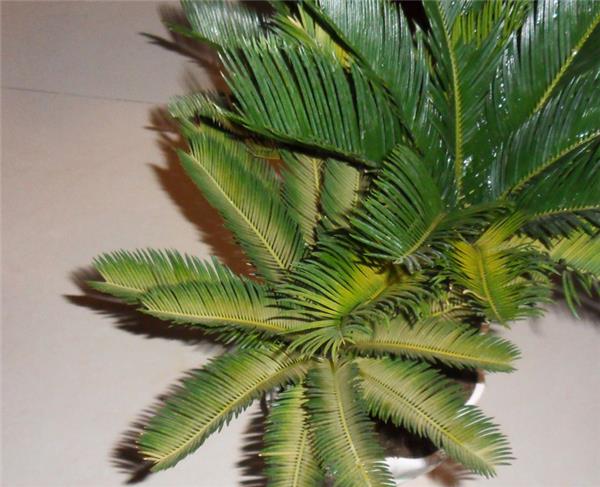
Finally, let's look at how to grow sago palm.
1. Soil: Potted sago palm suits slightly acidic sandy soil that drains well and is loose and fertile.
2. Temperature: Sago palm likes warmth. In summer, when temperatures are high, it should be sprayed with water appropriately to cool it down; in winter, the indoor room temperature should be kept at around 10°C. Because sago palm grows rather slowly, in summer it should avoid scorching sun exposure, otherwise it easily causes scorched leaves and yellow leaves. Sago palm has fairly strong cold resistance, but when the winter temperature is 0°C it should be moved indoors or to a warm place to overwinter.
3. Light: Sago palm must not be placed indoors for too long, because it loves light; lack of light, though not fatal, will also make its newly sprouted leaves sparse, thin and weak, and lose their green color. So sago palm needs to be placed in a sunny spot in all four seasons, especially when it grows new leaves in spring and autumn, when it should be kept in direct sunlight; after the new leaves have grown and matured, it can be moved indoors for viewing.
4. Watering: Sago palm is fairly drought-tolerant and likes dryness rather than wetness; generally it can be watered after the soil dries. If watered too much, it easily rots the roots and damages the leaves. Generally in winter water once about every 10 days, in spring and autumn water once every 3-5 days, and in summer water once in the morning and once in the evening. Watering should follow "water when dry, stop when wet"; if the sago palm's potting soil is waterlogged and too wet for a long time, it will cause yellow leaves and root rot.
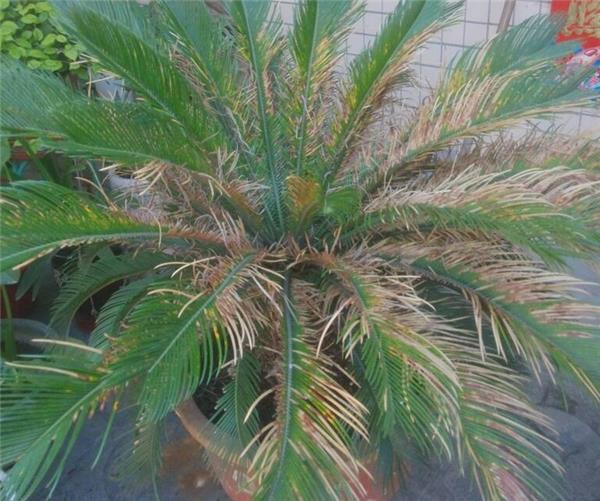
5. Fertilizing: During the growing season of sago palm, apply topdressing often, mainly nitrogen and potassium fertilizers, and preferably decomposed cake fertilizer water. When fertilizing, note that you should apply light fertilizer frequently, and never too concentrated. To promote deep green and glossy leaf color, you can add an appropriate amount of ferrous sulfate solution to the fertilizer. When fertilizing, note that you should apply more vanadium fertilizer water; you can also put some rusty iron into the soil, or buy special sago palm fertilizer from a flower market, which can make the sago palm leaves deep green and glossy and increase their ornamental value.
6. Pruning: Sago palm sends out new leaves once or twice every year. When growing sago palm bonsai, for a beautiful posture, you should cut off the old leaves from the previous year and the withered yellow leaves; overly dense or overly long leaves should also be pruned as appropriate, to keep the tree shape well balanced.
7. Repotting: Repot once every 2-3 years, preferably in spring, in March-April. When repotting or changing pots, cut off the dead and rotten roots, remove 1/2-2/3 of the old soil, and replace it with fertile, loose new soil, so that the plant grows vigorously. At the same time, note that you should raise the bottom of the pot to allow air and water to pass through.
9. Pest and disease control: Sago palm has a hard trunk and tough leaves, so it has fewer pests and diseases. There may mainly be scale insect infestation; when scale insects are found, you can first kill them by manual washing and brushing. If the infestation is severe, you can water with a 1% ferrous sulfate dilution. It is worth noting that potted sago palm should be placed in a ventilated, well-lit, hygienic and clean place, which can also effectively prevent the occurrence of pests and diseases.
Because there are many possible causes of yellowing leaves, flower lovers must not blindly treat the problem; be sure to check carefully, find out the cause of the problem, and check one by one from water, soil, fertilizer and light!