How to grow Philodendron 'Imperial Green'? Detailed guide to cultivation methods and precautions
The emerald green color of Philodendron 'Imperial Green' and its thick, substantial feel make many people fall in love with it at first sight, so when they want to keep some green plants at home, this is the first one that comes to mind. Below is an introduction to the cultivation methods and precautions for Philodendron 'Imperial Green'.
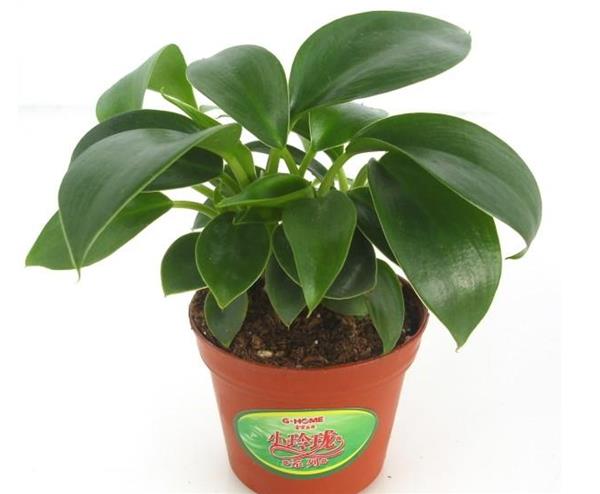
Introduction to Philodendron 'Imperial Green'
Philodendron bipinnatifidum (commonly known as the split-leaf philodendron) is a perennial evergreen herbaceous foliage plant. The stem is extremely short, and the leaves extend from the top of the stem in all directions, densely and neatly arranged in a clustered form. The petioles are firm and slender, reaching up to 1 m, and the leaves are huge, with coarse pinnate deep lobes, deep green and glossy. The stem is upright and woody, producing many aerial roots; the plant is tall, reaching over 1.5 m. The leaves are clustered, growing at the tip of the stem; the leaves are broadly heart-shaped, with the entire leaf pinnately deeply lobed like a palm, up to 60 cm long and 40 cm wide, leathery, deep green and glossy; the petioles are firm and slender, reaching 80-100 cm.
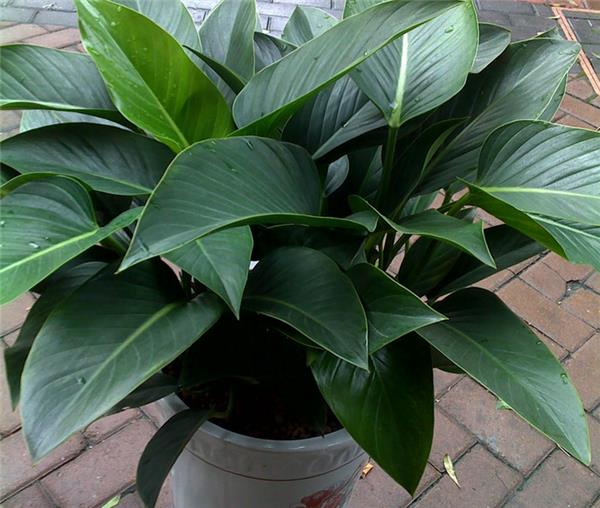
Cultivation methods for Philodendron 'Imperial Green'
1. Soil: Philodendron 'Imperial Green' is not strict about soil requirements. A sandy loam rich in humus and with good drainage is better; for potted plants, a mix of peat and perlite is generally used.
2. Watering: Philodendron 'Imperial Green' originates from tropical rainforests and likes a humid environment. Moreover, its leaves are broad and thin, so its demand for water is relatively high. Therefore, during the growing period, the potting soil needs to be kept moist, especially during the high-temperature summer period when it must not lack water, but it also must not be overwatered. Water accumulation in the potting soil can easily cause root rot and death of the Philodendron 'Imperial Green' plant.
3. Sunlight: Philodendron 'Imperial Green' likes a semi-shaded environment and is not strict about light, but it cannot tolerate long-term shady conditions, otherwise the leaf color will become lighter, the petioles will lengthen, and the leaves will droop, reducing its ornamental value; nor should it be exposed to direct strong light, otherwise the leaves will easily develop dry leaf tips, scorched leaf margins, and whitened, lusterless leaf color. Therefore, Philodendron 'Imperial Green' is best kept in a semi-shaded environment or one with plenty of scattered light.
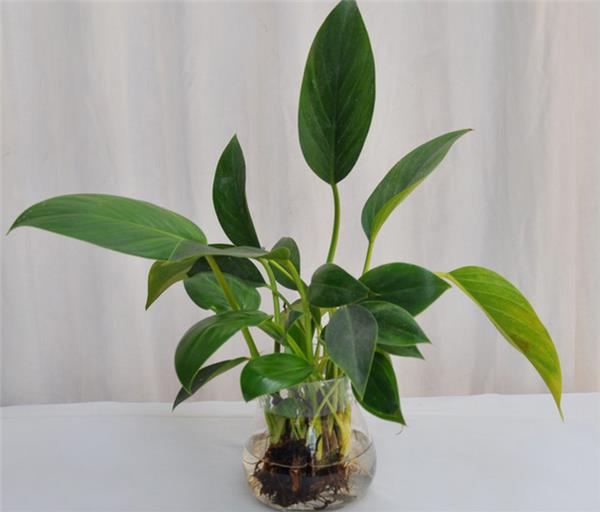
4. Fertilizing: During the vigorous growth period, Philodendron 'Imperial Green' needs sufficient fertilizer, preferably nitrogen-based fertilizer, and care should be taken not to apply too much at one time. It is best to apply light fertilizer frequently. After autumn begins, control the amount of fertilizer to help it overwinter. When the temperature is below 20°C, stop fertilizing.
5. Pests and diseases: Common diseases of Philodendron 'Imperial Green' include leaf spot and anthracnose, which are generally controlled with wettable powders such as carbendazim, thiophanate-methyl, and zineb, with fairly obvious results. The main pests include red spider mites and scale insects, which can be controlled by spraying, while management of the growing environment should also be strengthened.
6. Pruning: After being grown for a period of time, Philodendron 'Imperial Green' will begin to show yellow, withered, and scorched leaves. This requires checking. If it is not caused by disease but is simply normal metabolism, then the old leaves need to be pruned in time to reduce the loss of nutrients from the plant.
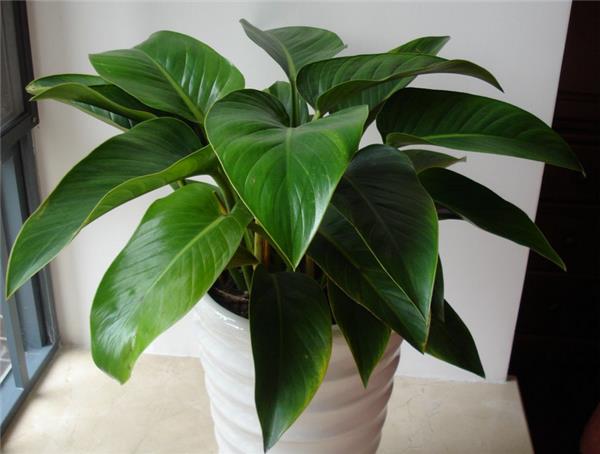
Precautions for growing Philodendron 'Imperial Green'
1. Philodendron 'Imperial Green' likes a warm climate. When growing it, the temperature needs to be maintained at around 20°C, not lower than 10°C, and it should also be kept away from heating, air conditioning, and cold drafts.
2. Philodendron 'Imperial Green' comes from tropical rainforests and has a relatively high demand for water. Generally, the air humidity should be kept between 50-75%. Below 50%, the leaves tend to turn yellow and dry at the edges. Air humidity can be increased by misting and sprinkling water.
3. It is best to water Philodendron 'Imperial Green' when the surface of the potting soil looks dry. During the high-temperature summer period, it can be kept moist. In winter, if the ambient temperature is below 15°C, watering should alternate between dry and wet.
4. Philodendron 'Imperial Green' likes light but avoids direct strong light. The growing environment is best in a semi-shaded place or one with plenty of scattered light. It should not be kept in a shady environment for a long time, otherwise the leaves tend to turn yellow, and the light should not be too strong either, lest the leaves become whitened and lusterless.
5. Fertilizing Philodendron 'Imperial Green' should follow the principle of light fertilizer applied frequently, and nitrogen-based fertilizer is sufficient.