How to grow Podocarpus? Detailed guide to cultivation methods and precautions
Podocarpus is a type of pine tree with high ornamental value. Today we want to share with you the cultivation methods and precautions for Podocarpus, and we hope you enjoy it.
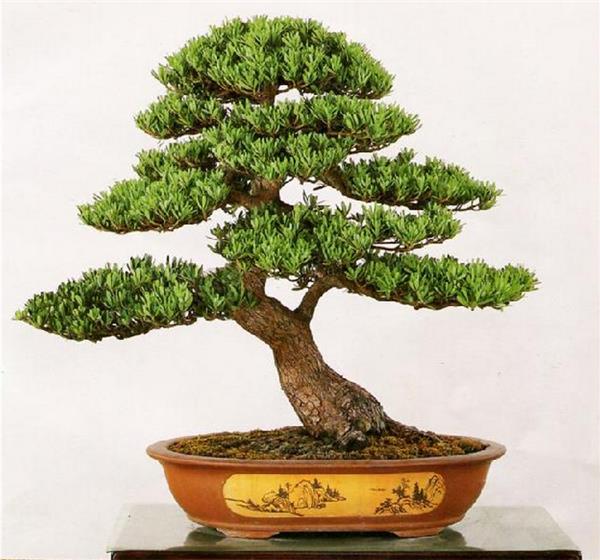
Cultivation methods for Podocarpus
1. Soil: It requires a slightly acidic growing medium rich in humus, loose and fertile, with good drainage. In alkaline soil the leaves turn yellow and growth is slow. It is long-lived, capable of reaching several hundred years, or even over a thousand years.
2. Watering: Podocarpus is not a member of the Pinaceae family and is not drought-tolerant. On the contrary, Podocarpus tolerates shade and moisture, and during the growing season it should be watered regularly, but it should not become waterlogged. In the Shunde area, on sunny summer days, water regularly, generally once in the morning and once in the evening, and also mist the leaves frequently to keep the foliage bright green and growing well. Summer usually brings more rain as well, and since Podocarpus does not tolerate waterlogging, take care to prevent prolonged standing water.
3. Sunlight: Podocarpus is a tree species that is intermediate, leaning toward shade-tolerant. It can accept relatively strong light and can also grow in a more shaded environment. Although summer temperatures are high and sunlight is intense, since large Podocarpus trees benefit from high temperatures and strong light for maintaining their tree form and leaf shape, there is no need to shade large Podocarpus trees in summer. However, because young Podocarpus seedlings have tender tissues, they should not be exposed to strong light for long periods, and it is best to keep them under tree shade.
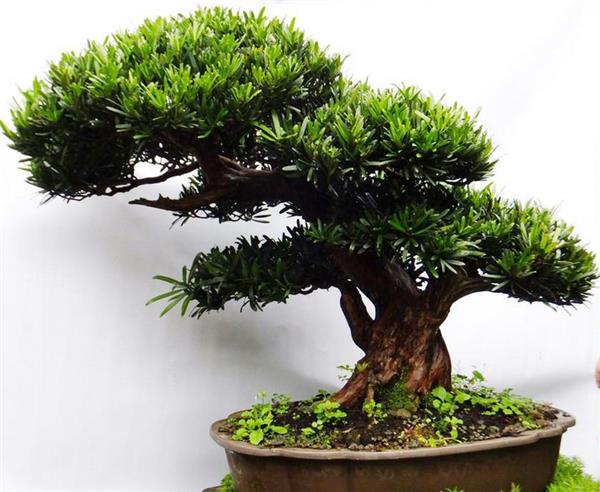
4. Temperature: For potted plants in northern regions, move them outdoors when the outdoor temperature stabilizes at around 10°C, placing them in a wind-sheltered, sunny spot for care. After summer arrives, move them to a semi-shaded spot. In winter, when the temperature does not drop to 5°C, they should be brought indoors. After bringing them indoors, control watering, and they can overwinter safely as long as conditions do not freeze.
5. Fertilizing: Podocarpus likes fertilizer, so apply light fertilizer frequently. Use nitrogen-based fertilizer, and you may add an appropriate amount of black alum to make fermented alum fertilizer water. During the growing season, fertilize once every 1 to 2 months. Fertilizing can be done together with watering (water-to-fertilizer ratio of 9:1).
6. Pests and diseases: The main diseases are leaf spot and anthracnose, which can be sprayed with a 500-fold dilution of 50% thiophanate-methyl wettable powder. Pests include scale insects, red spider mites and bagworms, which can be killed by spraying a 1500-fold dilution of 40% omethoate emulsifiable concentrate.
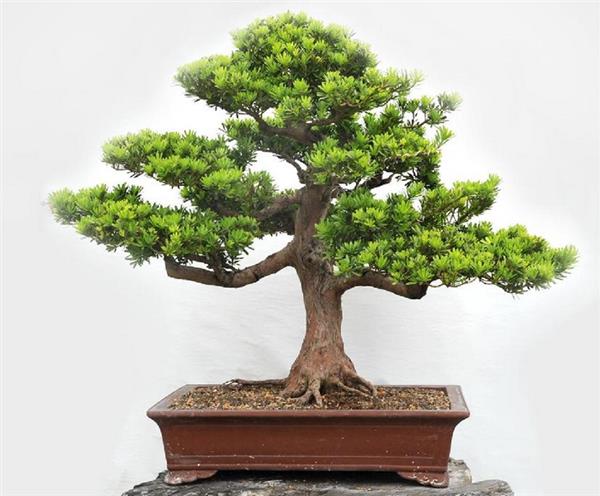
Precautions for growing Podocarpus
(1) During the growing season, it is better for the potting soil to be slightly dry. If watered too much and the potting soil stays wet for a long time, it will cause root rot and yellow leaves. In severe cases, a large number of leaves drop and the plant eventually dies. However, in summer the water requirement is greater, so watering should be adequate; if the potting soil is too dry, the leaves easily scorch.
(2) During the growing period, pay attention to pruning and pinching back established plants to prevent excessive leggy growth of branches and leaves and to maintain the graceful form of the Podocarpus. When repotting, take care to cut away excessive roots and rotted fibrous roots, and also cut away overly dense branches and leggy branches.
(3) In winter, when the outdoor temperature drops to 5°C, move the plant indoors. After bringing it indoors, control watering and stop fertilizing. Generally, repot once every 2 years; repotting can be done in either spring or autumn. When repotting, take care to properly cut away excess roots and decayed fibrous roots, and also cut away overly dense branches and add fresh growing medium.
(4) For potted Podocarpus, usually place it on a high platform or stone step. This can reduce ants, earthworms and other insects entering the pot through the drainage hole at the bottom and harming the plant.
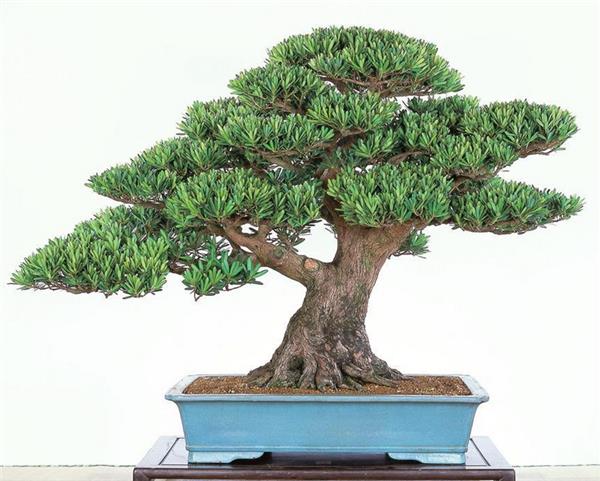
Propagation methods for Podocarpus
(1) Seed propagation
After the seeds mature in August, they can be sown immediately after collection, or dried in the shade and stored in sand, then sown in March of the following spring. The thousand-seed weight of fresh seeds is 312 grams. Before sowing, loosen the bed soil. Drill sowing is mostly used, with a soil cover 2 cm thick. After sowing, build a shade frame. In late April, seedlings begin to emerge. After one year of cultivation, they can be divided and transplanted.
(2) Cutting propagation
This is mostly done in spring and autumn. If automatic misting and full-light seedling cultivation are used, softwood cuttings can be taken in June, with a survival rate of over 80%. The cuttings should have a heel, about 15 cm long, with the leaves removed from the base. Use the usual cutting method. After inserting, shade promptly and water. Mist once a day, and keep the soil moisture content no less than 70%. Spring cuttings can root by the end of June, and autumn cuttings can root by the end of October. In winter, cover with rice straw or a plastic arch shelter to keep warm, and they can be divided and transplanted in the following spring. For potted plants, use equal parts sand and humus soil mixed together.