A Detailed Explanation of Rosemary's Benefits, Effects and Culinary Uses
There are many kinds of plants, and one of them is rosemary. So, what benefits and effects does rosemary have? How should rosemary be eaten? Today we will give you a brief introduction, so let's take a look together.
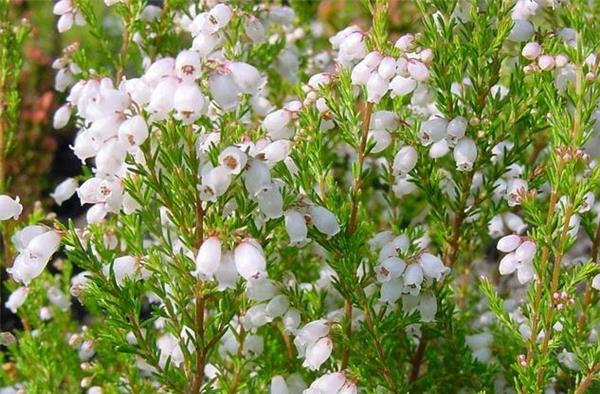
An Introduction to Rosemary
Rosemary is a perennial evergreen subshrub that grows slowly and has poor regenerative capacity. It likes a warm climate and is suited to temperatures without cold spells in winter. Because rosemary leaves are leathery, the plant is fairly drought-tolerant, so there is no need to water it too much when planting. The best growing medium is sandy, well-drained soil, which favors the growth and development of rosemary.
Rosemary's Benefits and Effects
1. Once rosemary is made into herbal tea, it can enhance brain function and relieve gas and bloating; elderly people with poor digestion can consume it over the long term.
2. It can effectively relieve headache symptoms, improve hair loss and improve memory decline, so rosemary has now become a very popular herbal tea.
3. Besides these, it has beauty benefits, so it has become a treasured aid for women who want to maintain their looks and figure. Regularly drinking this tea can reduce the formation of wrinkles.
4. Because rosemary has multiple benefits, it is also made into essential oil. Rosemary essential oil has a notable effect on the brain and central nervous system, and using it can relieve fatigue.
5. It helps treat headaches, migraines, neuralgia, mental fatigue and neurasthenia; whether used for aromatherapy or massage, it is a good choice.
6. It also helps treat arteriosclerosis, palpitations, poor circulation and varicose veins.
7. It helps treat rheumatic pain and strengthen liver function; elderly people can take it more often because it has the effect of lowering blood sugar. It also helps in the treatment of arteriosclerosis.
Rosemary's Propagation Methods
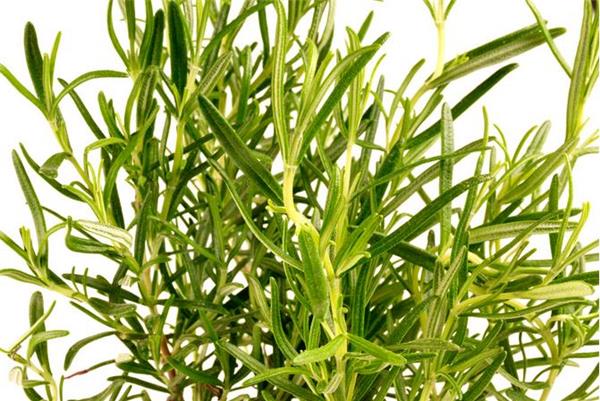
Rosemary is commonly propagated by seed, cuttings and layering. Seed propagation is generally carried out in a greenhouse in early spring for raising seedlings; the paper towel germination method can be used, and either soil-based or plug-tray seedling raising is fine. Cutting propagation is mostly carried out from winter to early spring, selecting fresh, healthy stems that have not yet fully lignified as cuttings. Layering propagation makes use of rosemary's ability to produce adventitious roots on its stems: bend a branch close to the ground, cover it with soil, and leave the top exposed to the air; after new roots grow, cut it from the parent plant to form a new individual, then plant it out in the open field.
Rosemary's Culinary Uses
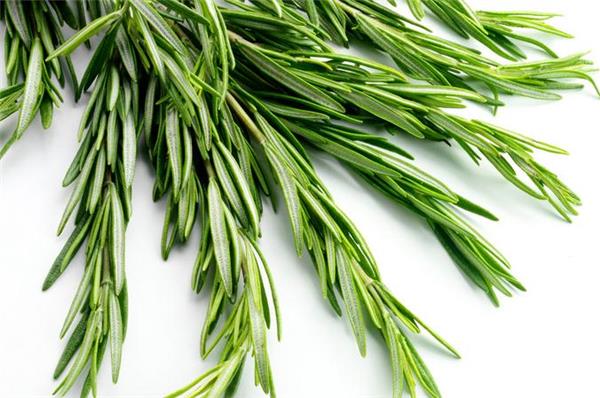
1. Rosemary is widely used in cooking. The fresh tender branches and leaves have a strong aroma and can remove the gamey smell of meat. Just a few tender stems and leaves (no need to use too much, so as not to overpower the original flavor of the food) are enough to make fragrant roasted ribs (pork ribs, lamb ribs and beef short ribs). Rosemary roast chicken is especially good.
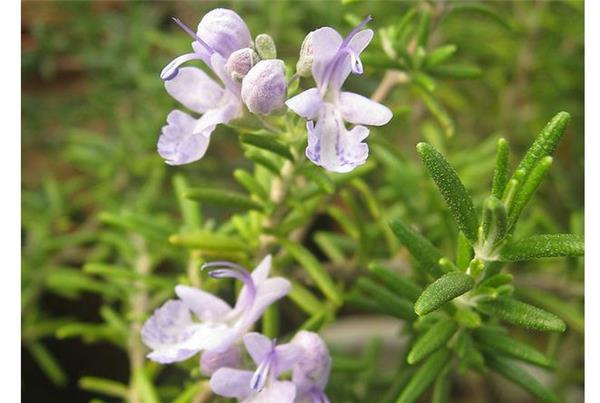
2. As a lettuce for salads, if a few rosemary leaves are added when blanching, the special aroma is easily absorbed into the dish. For dishes that need long heating, you can use dried rosemary or add a little rosemary powder after cooking. Fresh rosemary flowers can also be used in cold salads, to garnish dishes, and to add fragrance and flavor.
That is all for the introduction to rosemary's benefits and effects. I believe that after reading this, everyone has gained some understanding of rosemary. I hope the relevant knowledge shared today can be helpful to you.