Common Varieties of Spider Plant, Their Benefits and Flower Meaning
Spider plant (Chlorophytum comosum) is the best plant for purifying indoor air. It is often grown in hanging pots as indoor decoration or in garden landscapes. With its varied forms, strong shade tolerance, easy management, easy survival and fast propagation, it is loved by more and more people. But how to grow spider plant, what varieties exist and what its benefits are - these questions have puzzled quite a few people. Below I will answer these questions, hoping it will help everyone grow spider plant well.
Spider plant is a herbaceous perennial with clustered, cylindrical, fleshy fibrous roots and rhizomes. The leaves are basal, linear to linear-lanceolate, narrow and long, flexible like orchid leaves, 20-45 cm long and 1-2 cm wide, with a long, tapering apex and a stem-clasping base, growing on short stems. The most distinctive feature of spider plant is that mature plants constantly produce runners, 30-60 cm long, each ending in a small plantlet. The flower scape is slender, longer than the leaves, and arching; the raceme is simple or branched, sometimes with clusters of linear leaf tufts 2-8 cm long growing at the upper nodes of the inflorescence; the flowers are white, several per cluster, loosely scattered along the inflorescence axis. The flowering period is between spring and summer, and it can also bloom indoors in winter.
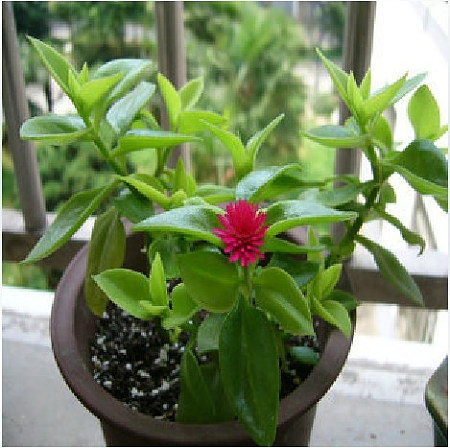
Variegated Spider Plant (Golden Edge)
Golden-edge spider plant is a type of spider plant, grown in the same way as other spider plants. Spider plant belongs to the Liliaceae family and is a perennial evergreen herbaceous plant. The leaves are broadly linear, tender green, growing on short stems, with thick, cylindrical fleshy roots. The raceme is 30-60 cm long, curved and drooping, with small white flowers; several clusters of rooted plantlets formed from plantlets often grow on the flower stems, which is very interesting. It grows fast and is easy to cultivate, and can be grown and enjoyed year-round in a brighter room. It is one of the most suitable types for hanging or placing on top of cabinets or on flower stands.
Golden-center Spider Plant
An evergreen perennial herb with underground rhizomes that are fleshy and short, creeping horizontally or slanting. The leaves are slender, linear-lanceolate, with yellow-white longitudinal stripes in the center, stem-clasping at the base, bright green. Stoloniferous branches emerge from the leaf axils, extending out of the clump and curving outward, with small plantlets bearing aerial roots at their tips. The flowers are white, with 6 tepals, and the flowering period is spring and summer.
Silver-edge Spider Plant
Silver-edge spider plant is an evergreen herb with rhizomes and fleshy roots. The leaves are basal, broadly linear, 1-2 cm wide and about 30 cm long, green. The leaf margins of silver-edge spider plant are white; the leaf margins of golden-edge spider plant are pale yellow, and the leaves of golden-center spider plant have pale yellow stripes in the middle. The flower stalk of spider plant is slender, extending above the leaves and curved, bearing 1-6 flowers at the tip, in a raceme; the flowers are small and white, with 2 whorls of tepals, 6 in total, 6 stamens, and a green ovary. The flowering period is June-August.
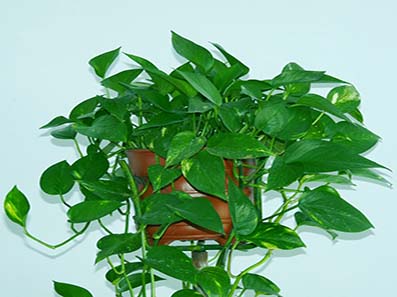
Silver-center Spider Plant
Silver-center spider plant is a type of spider plant. It is named silver-center spider plant because it differs from other spider plants in having a distinctive feature: the middle part of each green leaf has a silvery-white stripe about 1 cm wide. As a master of air purification, silver-center spider plant grown as a potted plant has entered the lives of more and more people. Offices, shopping malls, banks and homes all grow silver-center spider plant as a potted plant to purify indoor air and beautify the living environment.
Broadleaf Spider Plant
Broadleaf spider plant, also known as large-leaf spider plant, belongs to the genus Chlorophytum in the Liliaceae subclass, Asparagales order, Agavaceae family, and is native to southern Africa. Broadleaf spider plant prefers a warm, humid and semi-shaded environment. Its leaves are especially sensitive to light, and it fears strong light in summer. The soil should be loose, fertile loam with good water retention, and the winter temperature should not be lower than 10°C.
Center-striped Spider Plant
An evergreen perennial herb with underground rhizomes. The leaves are slender, linear-lanceolate, with white longitudinal stripes in the center, stem-clasping at the base, bright green. Stoloniferous branches emerge from the leaf axils, extending out of the clump and curving outward, with small plantlets bearing aerial roots at their tips. The flowers are white, with 6 tepals, and the flowering period is spring and summer. Flower meaning: "Helpless yet giving hope." It prefers warmth and humidity, likes semi-shade, and avoids scorching sun in summer. The soil should be loose and fertile. At a room temperature of 20°C, the stems and leaves grow rapidly, and the winter temperature should not be lower than 5°C.
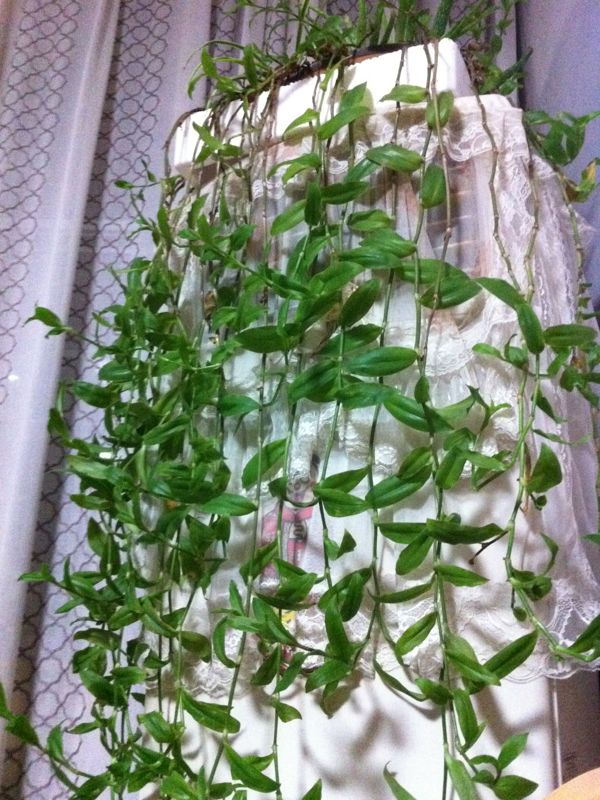
Milky White Spider Plant
An evergreen perennial herb with underground rhizomes. The leaves are slender, linear-lanceolate, with white longitudinal stripes in the center, stem-clasping at the base, bright green. Stoloniferous branches emerge from the leaf axils, extending out of the clump and curving outward, with small plantlets bearing aerial roots at their tips. The flowers are white, with 6 tepals, and the flowering period is spring and summer. Flower meaning: "Helpless yet giving hope." It prefers warmth and humidity, likes semi-shade, and avoids scorching sun in summer. The soil should be loose and fertile. At a room temperature of 20°C, the stems and leaves grow rapidly, and the winter temperature should not be lower than 5°C.
Variegated-leaf Spider Plant
A perennial evergreen herb with short rhizomes and clustered, cylindrical, fleshy fibrous roots. The leaves are linear, with green margins and yellow-white blades. Unlike the common golden-edge spider plant, it often sends out long stolons from the leaf clump, and rooted plantlets grow at their tips. The flowers are white.
When it comes to the benefits of spider plant, they are truly remarkable. Spider plant can absorb more than 80% of harmful gases indoors, absorb 86% of formaldehyde, and can also absorb almost all the carbon monoxide and nitrogen oxides released by stoves, electrical appliances and plastic products. For those of us in modern urban life, constantly exposed to radiation from various digital products, placing 1-2 pots of spider plant nearby means the toxic gases in the air are almost completely absorbed. It is equivalent to an air purifier, which is why spider plant has the reputation of being a "green purifier."
Now let's take a look at how to grow spider plant so that it becomes more resilient and long-lasting.
How to grow spider plant - substrate: Spider plant has strong adaptability to various soils and is easy to cultivate. A small amount of base fertilizer can be added to prepare fertile sandy loam, humus soil, peat soil or fine sandy soil.
How to grow spider plant - propagation: Spider plant has strong adaptability and a high survival rate, and is often propagated by division, cuttings and sowing. Cuttings and division propagation can be carried out at any time from spring to autumn.
How to grow spider plant - watering: Spider plant prefers a humid environment, and the potting soil should be kept moist regularly. Because its fleshy roots can store a large amount of water, it has strong drought resistance and does not need frequent watering. When the temperature is below 5 degrees in winter, watering should be reduced, and the potting soil should not be too wet, otherwise the leaves tend to turn yellow.
How to grow spider plant - fertilizing: Apply liquid fertilizer once every 2-3 weeks during the growing season. Apply less nitrogen fertilizer, and stop fertilizing when the ambient temperature is below 10 degrees.
How to grow spider plant - light: Spider plant prefers a semi-shaded environment and can be grown year-round in a bright room. Direct strong sunlight should be avoided. It is best to find a place with scattered sunlight, or use a gauze curtain to block 50%-70% of the sunlight, so that it grows luxuriantly with beautiful leaves.
How to grow spider plant - temperature: Spider plant is tolerant of high temperatures, with a suitable growing temperature of 15-30°C. In winter, a temperature above 10°C is preferable.
How to grow spider plant - humidity: Spider plant prefers a humid environment. To keep it fresh and green, you can regularly spray water on the leaves to clean them.
How to grow spider plant - pruning: As the plant grows, to maintain a good shape, yellow leaves at the base and leaf tips should be pruned frequently, and attention should be paid to pruning some old roots and rotten roots.
How to grow spider plant - pest control: Spider plant clumps are dense and poorly ventilated, making them susceptible to scale insects, so prevention should be the priority.
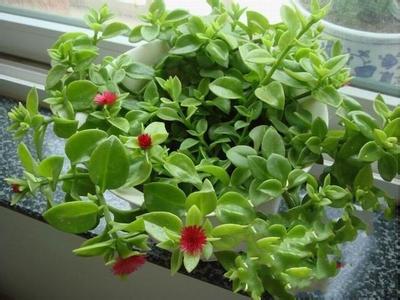
The flower meaning of spider plant is "Helpless yet giving hope."
This flower meaning comes from a legend. Once upon a time there was a chief examiner who was jealous of talent. In order to let his godson pass the imperial examination, he tried every means to suppress a talented scholar named Lin Dexiang. But while grading Lin Dexiang's paper, the emperor happened to be traveling in disguise, and in his panic the chief examiner hid the paper among the orchids on his desk. When the emperor was admiring the brilliantly blooming orchids, he inadvertently learned the truth, so he dismissed the examiner from office and "bestowed" the orchid on him. Not long after, the chief examiner died of depression. From then on, the stems and leaves of this pot of orchid never stood upright again, and gradually evolved into today's spider plant. Its flower meaning is derived from this story.
There are many varieties of spider plant, but I believe that as long as everyone takes careful care and prunes diligently, how to grow spider plant will not be a problem, and it will certainly fully display its benefits, grow vigorously and be pleasing to the eye!
For those of us in modern urban life, constantly exposed to radiation from various digital products, placing 1-2 pots of spider plant nearby means the toxic gases in the air are almost completely absorbed. It is equivalent to an air purifier, which is why spider plant has the reputation of being a "green purifier."
Now let's take a look at how to grow spider plant so that it becomes more resilient and long-lasting.
How to grow spider plant - substrate: Spider plant has strong adaptability to various soils and is easy to cultivate. A small amount of base fertilizer can be added to prepare fertile sandy loam, humus soil, peat soil or fine sandy soil.
How to grow spider plant - propagation: Spider plant has strong adaptability and a high survival rate, and is often propagated by division, cuttings and sowing. Cuttings and division propagation can be carried out at any time from spring to autumn.
How to grow spider plant - watering: Spider plant prefers a humid environment, and the potting soil should be kept moist regularly. Because its fleshy roots can store a large amount of water, it has strong drought resistance and does not need frequent watering. When the temperature is below 5 degrees in winter, watering should be reduced, and the potting soil should not be too wet, otherwise the leaves tend to turn yellow.
How to grow spider plant - fertilizing: Apply liquid fertilizer once every 2-3 weeks during the growing season. Apply less nitrogen fertilizer, and stop fertilizing when the ambient temperature is below 10 degrees.
How to grow spider plant - light: Spider plant prefers a semi-shaded environment and can be grown year-round in a bright room. Direct strong sunlight should be avoided. It is best to find a place with scattered sunlight, or use a gauze curtain to block 50%-70% of the sunlight, so that it grows luxuriantly with beautiful leaves.
How to grow spider plant - temperature: Spider plant is tolerant of high temperatures, with a suitable growing temperature of 15-30°C. In winter, a temperature above 10°C is preferable.
How to grow spider plant - humidity: Spider plant prefers a humid environment. To keep it fresh and green, you can regularly spray water on the leaves to clean them.
How to grow spider plant - pruning: As the plant grows, to maintain a good shape, yellow leaves at the base and leaf tips should be pruned frequently, and attention should be paid to pruning some old roots and rotten roots.
How to grow spider plant - pest control: Spider plant clumps are dense and poorly ventilated, making them susceptible to scale insects, so prevention should be the priority.
The flower meaning of spider plant is "Helpless yet giving hope."
This flower meaning comes from a legend. Once upon a time there was a chief examiner who was jealous of talent. In order to let his godson pass the imperial examination, he tried every means to suppress a talented scholar named Lin Dexiang. But while grading Lin Dexiang's paper, the emperor happened to be traveling in disguise, and in his panic the chief examiner hid the paper among the orchids on his desk. When the emperor was admiring the brilliantly blooming orchids, he inadvertently learned the truth, so he dismissed the examiner from office and "bestowed" the orchid on him. Not long after, the chief examiner died of depression. From then on, the stems and leaves of this pot of orchid never stood upright again, and gradually evolved into today's spider plant. Its flower meaning is derived from this story.
There are many varieties of spider plant, but I believe that as long as everyone takes careful care and prunes diligently, how to grow spider plant will not be a problem, and it will certainly fully display its benefits, grow vigorously and be pleasing to the eye!