A Detailed Guide to Growing and Caring for Cuban Oregano
Many friends are not particularly familiar with how to grow Cuban oregano, and problems always seem to arise during the process. So how should Cuban oregano be grown? Today I will give you a brief introduction, and let us take a look together.
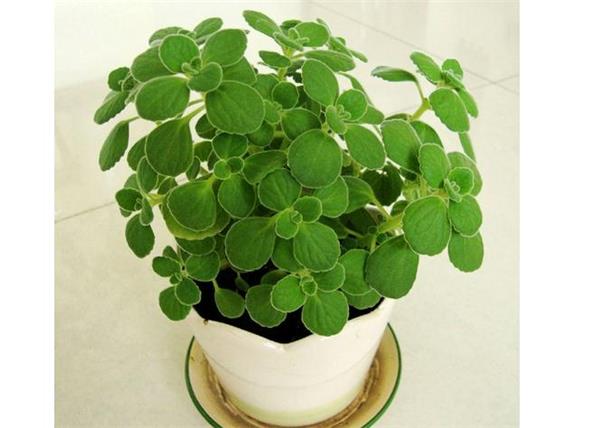
Introduction to Cuban Oregano
Cuban oregano is a plant in the Lamiaceae family, genus Plectranthus, and its lovely name comes from the unique fragrance it releases when touched. In this respect it is similar to mimosa, as it can respond to external conditions. The scent given off by Cuban oregano resembles apple fragrance, which is why it is also called "apple scent."
The greatest use of Cuban oregano is that its fragrance can make people feel refreshed, and placing it indoors can fill a room with fragrance. The leaves of Cuban oregano can be used to make tea or infuse liquor, making fine liquor more mellow and tea more richly aromatic. In summer, Cuban oregano also has effects such as repelling mosquitoes and relieving heat.
Is Cuban Oregano Toxic?
This is a question many people care about. The leaves of Cuban oregano can be used to make tea or infuse liquor, can relieve abdominal bloating, and also have anti-inflammatory, swelling-reducing and skin-care effects. In addition, Cuban oregano can also be used in soups or eaten raw. Therefore, Cuban oregano is non-toxic. On the contrary, the faint scent of Cuban oregano resembles mint, and it can refresh the mind, clear heat and prevent heatstroke, and also repel mosquitoes.
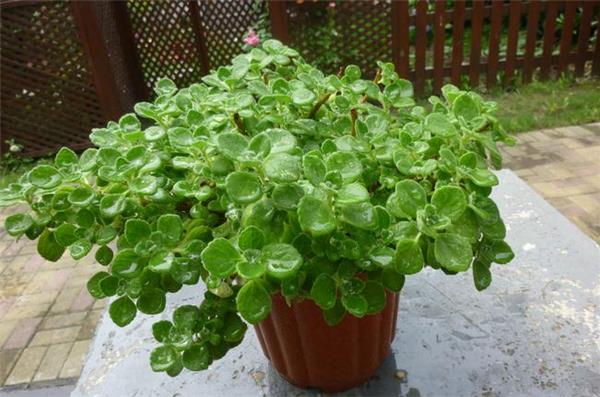
Growing Methods and Precautions for Cuban Oregano
1. Light and Temperature
Cuban oregano likes sunlight but is also fairly shade-tolerant. It fears cold and needs to be cultivated in a greenhouse. It is not tolerant of waterlogging. It likes warmth and is not cold-tolerant. In winter it needs a temperature of 5°C-10°C. Cuban oregano likes a sunny, well-lit environment, and only under strong light will its fleshy leaves be thick; with insufficient light the leaves will become flat and thin.
2. Soil
Cuban oregano requires loose soil with good drainage. This is because hard soil locks in moisture, and Cuban oregano is a plant that is not tolerant of waterlogging, so this is one of the factors that leads to root rot.
3. Watering
Cuban oregano is not tolerant of dampness, but if it is too wet it easily rots at the roots and dies. The soil should be allowed to dry out and then be watered, alternating between dry and moist. On cloudy days, watering and fertilizing should be reduced or stopped. After summer, be sure to water less, and in winter watering must be controlled even more. Generally, water only when the leaves have wilted, otherwise it easily grows leggy.
4. Pruning
Because Cuban oregano branches very easily and grows along a horizontal plane, the spacing between plants and rows should be wide when planting so that the branches and leaves can spread out. Moderate pruning can promote branching and make growth robust.
5. Fertilizing: Cuban oregano is not tolerant of heavy fertilizer, so it should not be fertilized too frequently. Generally, fertilizing once a month is enough. The fertilizer applied should mainly be phosphorus and potassium fertilizer, with a small amount of nitrogen fertilizer.
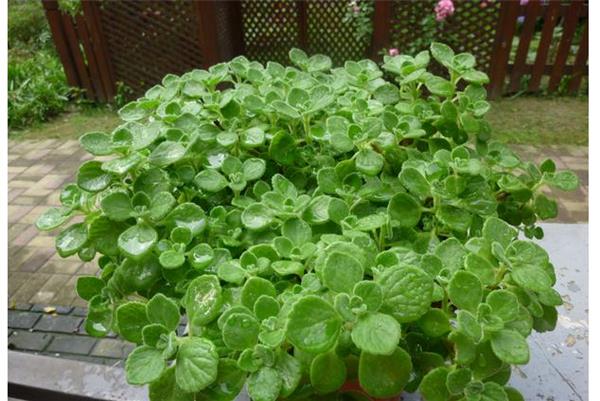
Why Plants Release Fragrance
The reason Cuban oregano gives off fragrance is similar to the principle behind mimosa "shrinking." When its leaves are stimulated by touch, the water inside the cells reacts, causing the turgor pressure of the leaf cushion to change. Unlike mimosa, the leaves of Cuban oregano do not contract under turgor pressure; instead, the stomata used for air exchange inside expand, and a volatile substance with an apple-like fragrance diffuses through the stomata into the air.
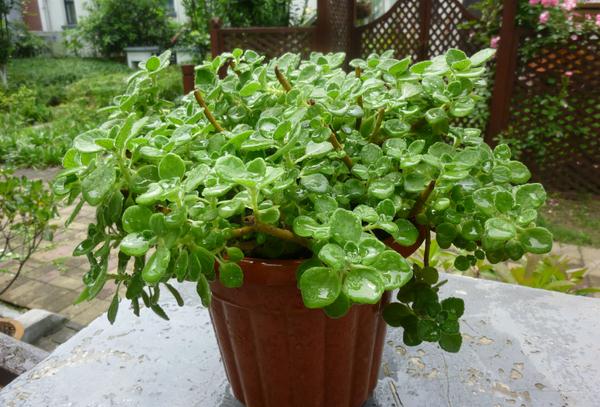
That is all for the introduction to the growing methods and precautions for Cuban oregano. I believe that after reading this, everyone will have some understanding of Cuban oregano. If any friends want to grow Cuban oregano, you can refer to the relevant points I have introduced for you.