How to care for aloe vera? Detailed guide to growing methods and precautions
Many friends are not particularly familiar with how to grow aloe vera, and problems always come up during the growing process. So how should we grow aloe vera? Today we will give a brief introduction for everyone, let's take a look together.
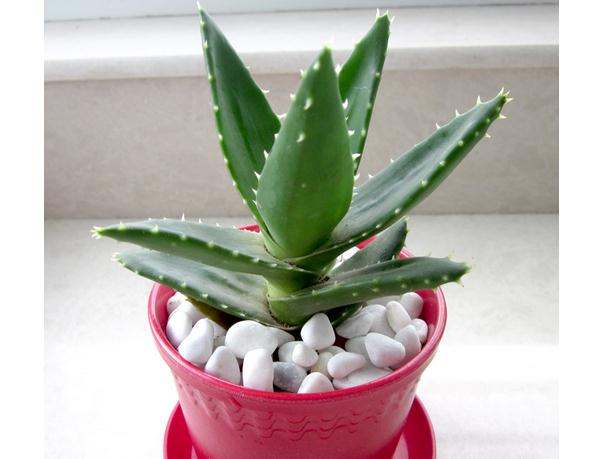
The benefits of aloe vera
1. Aloe vera's bactericidal effect: Aloe vera contains a substance called aloe tincture, which is a highly antibacterial substance. It can kill common bacteria and fungi, and can inhibit the reproduction of pathogens.
2. Aloe vera's anti-inflammatory effect: The bradykininase in aloe vera can resist inflammation and has a very good therapeutic effect on chronic diseases such as dermatitis and bronchitis.
3. Detoxifying effect: The components of aloe vera can promote the liver's breakdown of toxins in the body, inhibit excessive immune reactions, and clear metabolic waste from the body. In addition, aloe vera can treat and also regenerate new cells.
4. Healing-promoting effect: Aloe vera has a healing-promoting effect on artificially wounded rat backs, and aloe vera can shorten the number of days to cure artificially induced conjunctival edema in rabbits. Aloe vera juice preparations have a protective effect on skin wounds, burns, and local x-ray exposure.
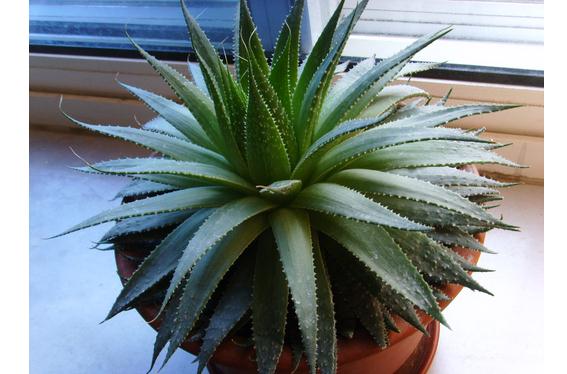
How to grow aloe vera
1. Temperature
If you want aloe vera to grow fast enough, the growing method is especially important. Choose a suitable temperature, 15°C to 35°C is enough. Like other green plants, aloe vera needs photosynthesis, so give it enough light. It is best to choose morning sunlight and avoid exposure to the afternoon sun.
2. Choice of soil
Aloe vera has a characteristic that requires attention in its growing method. Aloe vera is afraid of water accumulation, so it needs to be placed in an environment with good drainage for growth. Choosing sandy soil as the growing medium can promote aloe vera growth and will not cause difficulty in root respiration.
3. Watering
The growth of any plant has seasonal changes, and aloe vera growing methods also include adapting to aloe vera in different seasons. Summer is a season that requires special attention when watering aloe vera. Although aloe vera is heat-tolerant, it should also avoid drought. Water aloe vera appropriately, and at the same time be careful not to overwater.
4. Fertilizing
Fertilizer is the best medicine for promoting plant growth and is one of the aloe vera growing methods. Fertilizer is like a catalyst. Nitrogen, phosphorus, and potassium are the basic fertilizers that aloe vera needs, and there are also requirements for some trace elements. Using fermented organic fertilizer can better ensure that aloe vera stays natural and green.
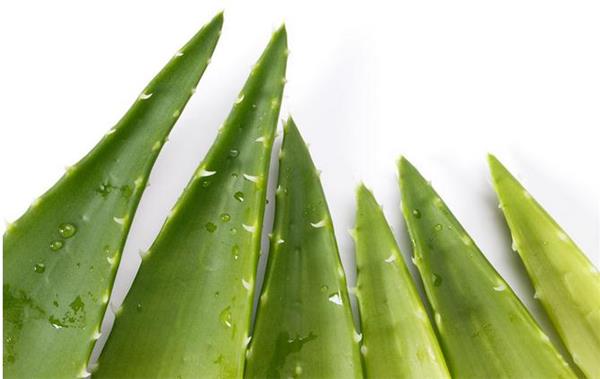
Precautions for growing aloe vera hydroponically
(1) After the aloe vera has grown new roots and adapted to the hydroponic environment, move the aloe vera to a place with sufficient sunlight so the hydroponic aloe vera can receive light. Hydroponic aloe vera should be cultivated long-term with a foliage plant nutrient solution, and the nutrient solution should be replaced once every half a month to 1 month.
(2) Aloe vera enters dormancy during high summer temperatures. At this time, the hydroponic aloe vera needs to be moved to a cool and ventilated place, and the moss growing in the hydroponic container should be cleaned regularly to keep the container clean.
(3) In winter, hydroponic aloe vera should be placed indoors in a sunny spot. A room temperature above 5°C allows it to overwinter safely. If you want the plant to bloom, the winter room temperature needs to be above 10°C. Aloe vera can tolerate a brief low temperature of 0°C.
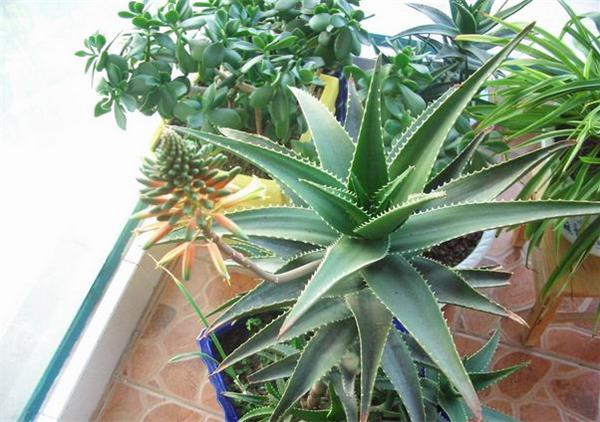
That is all for the related introduction to aloe vera growing methods and precautions. I believe that after reading this, everyone has a certain understanding of how to grow aloe vera. I hope the related knowledge introduced today can be helpful to everyone.