Can Dieffenbachia purify the air? This article explains it for you
Many friends like to place Dieffenbachia indoors, as it can serve a certain decorative function in the room. So, can Dieffenbachia purify the air? Today I will give you a brief introduction, let us take a look together.
Introduction to Dieffenbachia
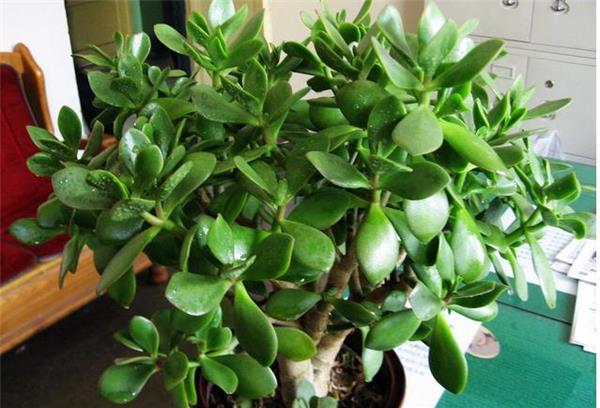
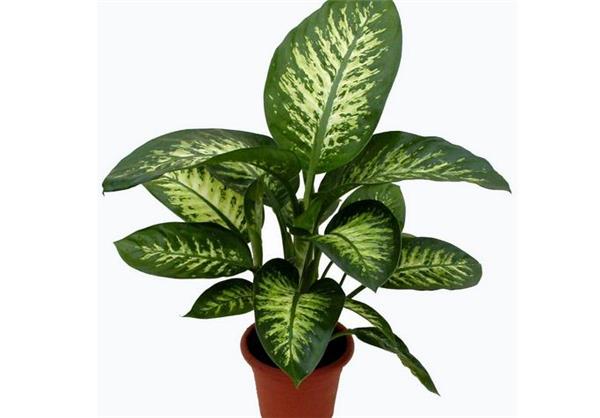
The Dieffenbachia plant grows 30-60 cm tall, with a thick, fleshy underground stem that grows upright. Most of its roots are fibrous roots. The leaves are oblong-lanceolate, oblanceolate, or lanceolate, basal, thick and glossy, with entire margins that are wavy, tapering to a sharp tip, and with a raised midrib on the underside. The flower stem is thick and fleshy, with a terminal spadix inflorescence 3-4 cm tall. The perianth is globose-campanulate, pale yellow, 4-5 mm long and about 6 mm in diameter. The flowers are densely clustered, each flower white-green or white-yellow, bisexual, with ovate bracts and 6 small, thick lobes. The spherical berries are red, about 8 mm in diameter, and clustered. The anthers are ovate, 1.3-1.5 mm. The flowering period is May-June, and the peak fruiting period is September-December.
The benefits of Dieffenbachia
1. Air purification: Many people like to keep a couple of pots of Dieffenbachia after renovating, because it has a strong purifying function. Formaldehyde, benzene, and other substances from a newly renovated home can be absorbed, as well as nicotine and tar from secondhand smoke.
2. Aesthetic benefit: Placing it in the living room, study, or entryway makes a great decorative display. It is not only beautiful but also adds a touch of green.
3. Feng shui benefit: According to feng shui theory, Dieffenbachia is associated with water, and its five elements belong to water. If the head of the household lacks water in their five elements, then keeping Dieffenbachia is a very good choice. As for the evergreen Dieffenbachia, it also symbolizes happiness in the home and enduring affection between husband and wife.
How to grow Dieffenbachia
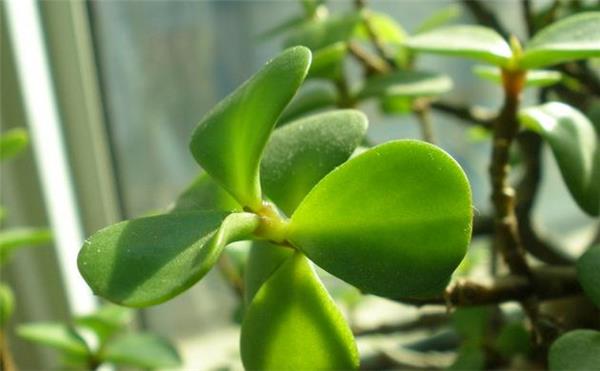
1. Soil: It is best to use sandy loam rich in humus as the growing medium. Keeping the soil pH between 6 and 6.5 is more conducive to its full absorption of nutrients.
2. Dieffenbachia likes a semi-shaded, warm, and ventilated environment, so the temperature generally must be kept above 10°C. Except for Aspidistra, which is slightly more cold-tolerant, other varieties all need to be kept at 10°C-32°C. In winter it can be kept in full sun, but in summer direct sunlight must be strictly avoided.
3. Dieffenbachia likes moisture and is not drought-tolerant, but it is best to water only when the surface of the potting soil looks dry. Excessive moisture will cause root rot (the roots are generally fleshy), while in drought it may wilt due to high transpiration.
4. Fertilizing generally begins when the spring temperature rises to 18°C. No fertilizing is needed during high summer temperatures or low winter temperatures.
5. To help Dieffenbachia grow well with green leaves, promptly clean and wipe the dust off the leaves. In addition, if leaves turn yellow or become scorched, prune them promptly to avoid unnecessary consumption of excess nutrients.
Is Dieffenbachia toxic?
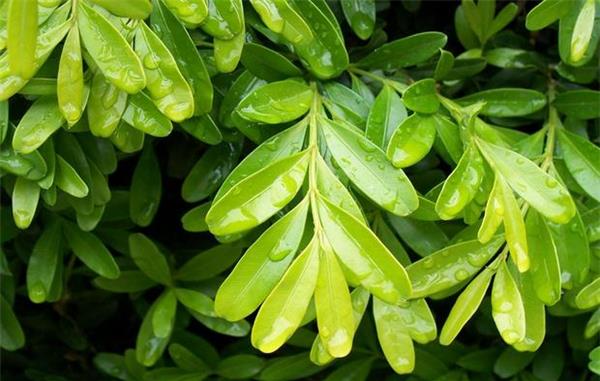
There are many varieties of Dieffenbachia; for example, the spotted Dieffenbachia among them is toxic. If its stem and leaves are broken and the branches or leaves are mistakenly eaten, symptoms such as swelling and pain in the stomach and intestines and damage to the respiratory tract may occur. Most of the roots of Dieffenbachia contain many toxins, and accidental ingestion can cause vomiting, blurred vision, and other symptoms. Eating a large amount by mistake may even lead to death, so it is generally recommended that households with young children not keep Dieffenbachia in the bedroom or anywhere within children's reach.
That is all for the introduction to Dieffenbachia. I believe that after reading this, everyone has gained some understanding of Dieffenbachia. If any friends want to grow Dieffenbachia, you can refer to the relevant points I have introduced for you.