A Comprehensive Analysis of the Benefits and Uses of Ivy
There are many kinds of plants, and one of them is ivy. So, how much do you know about ivy? What are the benefits and uses of ivy? Today we will give you a brief introduction, so let us take a look together.
The Benefits and Uses of Ivy
1. Ornamental and Easy on the Eyes
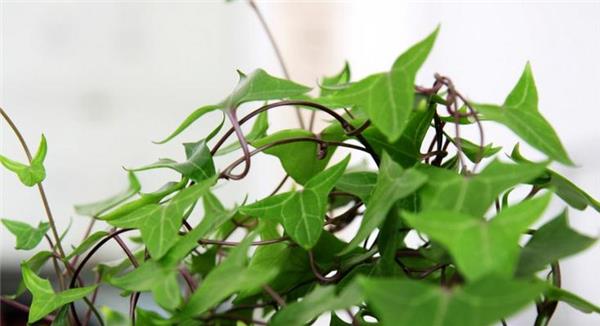
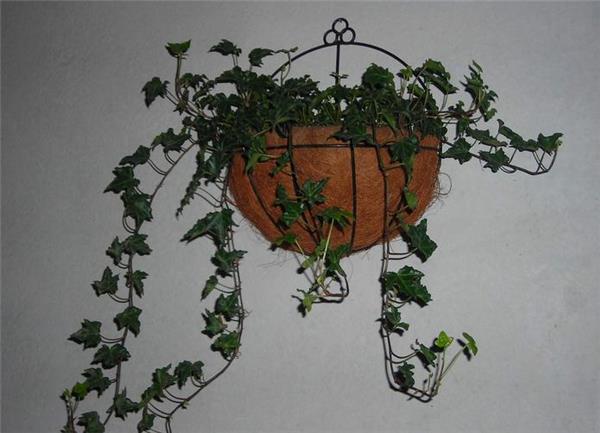
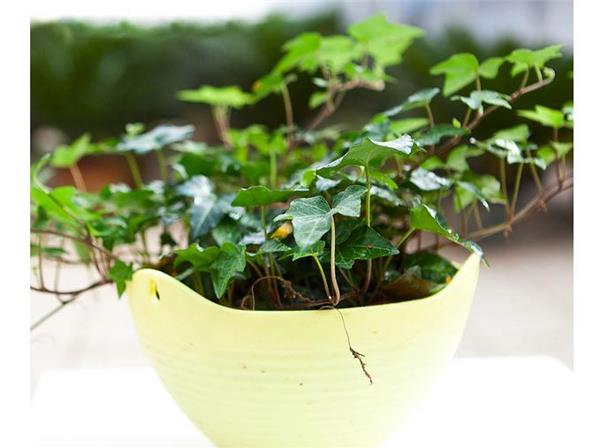
Ivy is most commonly planted on outdoor walls or in courtyards, or grown indoors in hanging baskets. No matter where it is, it grows vigorously, climbing like a gecko and spreading out like a spider web, and every year from late spring into summer we see a mass of emerald green. Its leaves are like maple leaves, and at each flowering season it produces small pale yellow-white flowers, very beautiful and fresh, making it a popular greening and ornamental plant. Whether outdoors or indoors, it can bring a mass of emerald green and bring hope, and it is especially easy on the eyes as an indoor green plant, playing a role in decoration and beautification.
2. Freshening the Air
It can enhance the natural feel and freshness of the owner's living environment. Moreover, it is a very healthy and eco-friendly ornamental plant: it not only greens the environment but also purifies the air, absorbing indoor waste gases and releasing oxygen through photosynthesis, among its many other functions.
3. Auspicious Meaning
When people talk about ivy, they think of patches of emerald green plants and the ivory towers that represent knowledge; the famous American universities are all called the Ivy League. It seems that when we speak of ivy we think of words like youth, youthfulness, hope and vitality. This is not only because of its emerald green appearance but also because people have given it a flower language of infinite youth, as if it belongs only to young people in their youth, to their time, and to their pure friendships and romances during their school days.
4. Medicinal Value
Ivy also has good medicinal value. The whole plant can be used as a Chinese herbal medicine. It can clear heat and reduce internal heat, has a good protective and nourishing effect on the human liver, relieves pain in parts of the body, and can also reduce swollen abscesses, with a good disinfecting and sterilizing effect. In addition, ivy also has a good cosmetic effect, able to firm the skin and reduce edema.
Propagation Methods of Ivy
1. Seed Propagation
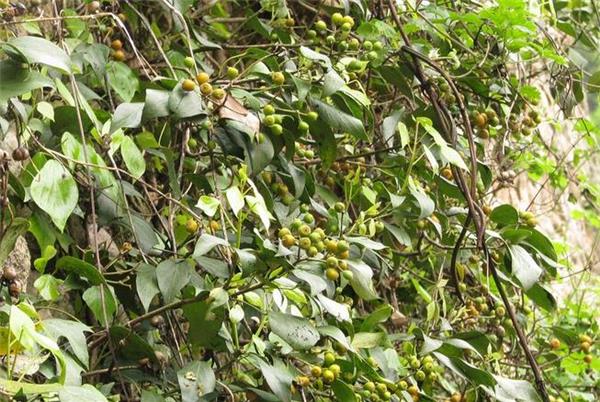
For ivy seed propagation, this mainly refers to harvesting the seeds when the fruit is ripe, heaping them for after-ripening, soaking and rubbing them, washing the seeds clean and drying them in the shade, after which they can be sown, or stored mixed with damp sand. Sow in spring the following year, cover with 1cm of soil after sowing, and cover with grass to retain moisture. Build a shade frame when the seedlings emerge, and in the spring of the 2nd year transplant or thin the seedlings and then grow them on into larger plants.
2. Cuttage Propagation
The cuttage propagation method for ivy is to use tender branches with aerial roots in the growing season, which root most easily. After inserting the cuttings, build a closed plastic-film arched shed and shade it, maintaining a space humidity of 80%-90%, but the bed soil should not be too wet, to avoid the cuttings rotting. They will root in about 30d.
3. Layering Propagation
The layering propagation of ivy is carried out in spring and autumn, using the wave layering method; after girdling the part to be buried in soil, it roots very easily, making it a relatively simple propagation method.
Solutions to Ivy Diseases
1. In late autumn or early spring, remove dead branches and fallen leaves and promptly prune diseased branches and leaves and burn them.
2. Before the disease occurs, spray 65% zineb 600 times dilution for protection.
3. Fertilize and water reasonably, and pay attention to ventilation and light.
4. At the early stage of the disease, spray 50% carbendazim or 50% thiophanate 500-600 times dilution, or 75% chlorothalonil 600-800 times dilution.
5. After the disease occurs, spray 97% sodium rust 250-300 times dilution (add 0.1% washing powder), or 25% triadimefon 1500-2500 times dilution.
That is all for the introduction to the benefits and uses of ivy. I believe that after reading this, everyone has gained some understanding of ivy. I hope the related knowledge introduced today can be helpful to everyone.