A detailed introduction to the cultivation methods of carnivorous plants
Many friends are not particularly familiar with the cultivation methods of carnivorous plants, and problems always arise during the growing process. So, how should carnivorous plants be grown? Today I will give everyone a simple introduction, let us take a look together.
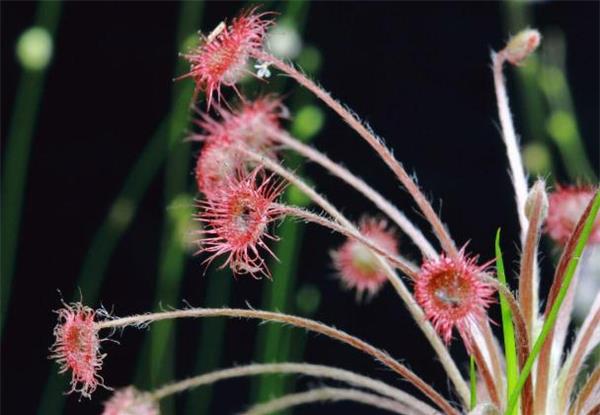
Introduction to carnivorous plants
Carnivorous plants are native to the tropics and prefer a hot, humid, semi-shaded environment. They are not cold-tolerant and are afraid of dryness and strong light. Their optimum growing temperature is 25-30°C, and the winter temperature should not be lower than 16°C. They should also be placed in a sunny spot for overwintering. During the growing season, carnivorous plants should be misted frequently to maintain a highly humid growing environment. For cultivation, loose, fertile leaf mold or peat soil is suitable. It is best to plant them in hanging baskets to highlight their gorgeous appearance.
Cultivation methods of carnivorous plants
1. Temperature control: When sowing carnivorous plants, the minimum temperature is best kept above 15°C. During the growing period, the minimum overwintering temperature must be above 10°C. In northern regions, they should be overwintered in a greenhouse to avoid frost damage.
2. Seedling method: Carnivorous plants need to be sown and raised in a seedling box or plug tray. The seedling box or plug tray should be placed in a greenhouse or a small arched shed to increase the germination rate, and it is not suitable to raise seedlings in the open field.
3. Selection and preparation of substrate: For the cultivation substrate of carnivorous plants, choose a relatively loose, fertile substrate with strong water-holding capacity. Commercially available seedling substrate can also be used.
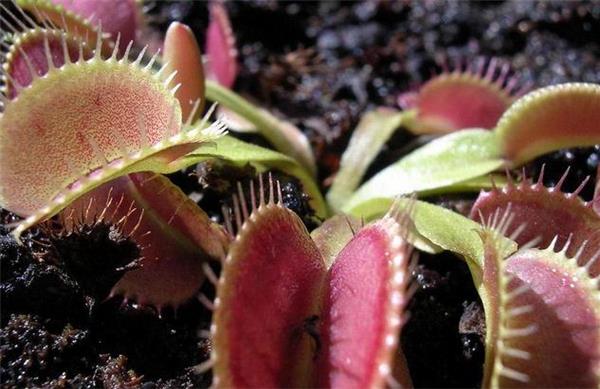
4. Substrate disinfection: When sowing carnivorous plants, the substrate should be disinfected to prevent invasion by pests and diseases. The substrate should be dried before use, and after sowing, a disinfectant should be used to soak the substrate thoroughly.
5. Sowing method: Because carnivorous plant seeds are tiny and inconvenient to handle, it is best to fix the seeds on absorbent paper, with one seed per red circle. Before sowing, cut out the seeds together with the absorbent paper, hold the absorbent paper with needle-nose pliers, and place it on the surface of the substrate. The sowing rate is preferably 1-2 seeds per cell.
6. Covering: Carnivorous plant seeds are light-loving and need appropriate light to germinate better, so no covering is needed after sowing.
7. Spraying to maintain moisture: After sowing carnivorous plants, the substrate should always be kept moist. Fine mist spraying can be used, or water can be absorbed from the bottom of the tray. The water should be disinfected with strong chlorine or Baidusha before use, and the relative humidity should be kept at around 90%.
8. Shading: Carnivorous plants are afraid of strong light. After sowing and during the seedling stage, strong light is not suitable, so shade nets should be used for shading to benefit the growth of carnivorous plants.
9. Emergence: When temperature and humidity are suitable, carnivorous plants can emerge in as little as about 25 days at the fastest, while at the slowest they may not emerge until two months later.
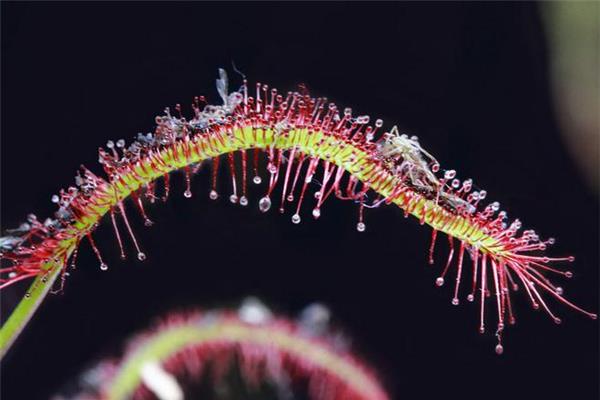
10. Disease prevention at the seedling stage: Carnivorous plant seedlings grow relatively slowly, so attention should be paid to preventing pests and diseases. Daily care should focus on ventilation and air permeability, preventing rain exposure, and spraying 50% carbendazim wettable powder at 800-1000 times dilution for regular spraying.
11. Transplanting seedlings: Carnivorous plant seedlings can generally be transplanted into pots for cultivation after growing to 5 cm tall. When transplanting, be sure to keep the roots protected, and it is best to plant them a bit deeper, burying them 1 cm deeper than the original soil surface each time. It is best to transplant carnivorous plants twice before potting them for cultivation. Seedlings cultivated this way are more robust, and the leaves are long and attractive.
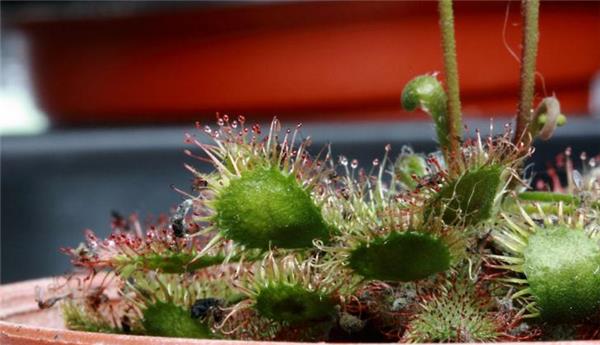
That is all for the related introduction to carnivorous plant cultivation methods. I believe that after reading this, everyone has gained some understanding of carnivorous plants. I hope the related knowledge introduced today can be helpful to everyone.