A Detailed Guide to Ivy Cultivation Methods and Precautions
Many friends are not particularly familiar with how to cultivate ivy, and problems always arise during the growing process. So, how should ivy be cultivated? Today, let me give you a brief introduction, and let us take a look together.
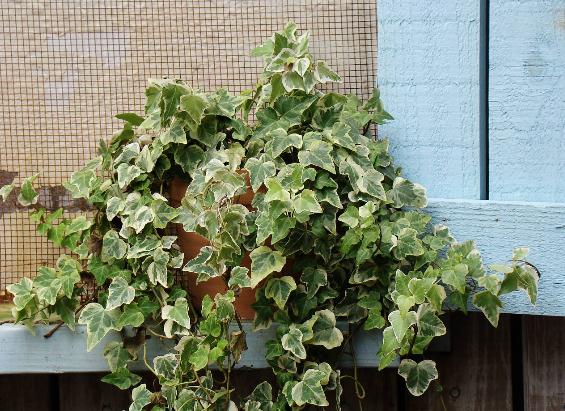
Introduction to Ivy
Ivy, also called English ivy, is a plant in the Araliaceae family and a vine-leaf plant that is relatively common in the south. Because it is evergreen year-round, usually blooms in autumn, and can also bear fruit, it is often used by people for vertical greening. It can often be seen on the inner walls of gardens and is an excellent wall decoration plant. In addition, the whole plant can be used as medicine, able to dispel wind-dampness and treat bruises and injuries; many of the important ingredients used to treat arthritis include ivy.
Ivy Cultivation Methods
1. Transplanting
When growing in pots, pay attention to shading in summer, and move them indoors to overwinter in winter. During the growing season, keep the potting soil moist, never let it become too dry, and also pay attention to ventilation. It is advisable to apply thin, dilute fertilizer, only 2-3 times a year; if too much fertilizer is applied, the plant will lose its graceful characteristics. When planting, heavy pruning should be carried out to promote branching. After that, carry out appropriate pruning once every spring, cutting the main vine short to control excessive growth. Usually pay attention to environmental ventilation.
2. Soil
Ivy is not strict about soil, tolerates poor soil, and prefers moist, loose, fertile sandy soil; it dislikes saline-alkaline soil. Generally, fertile loose soil is mostly used as the potting medium, such as equal parts of garden soil and leaf mold mixed together. It can also be prepared from leaf mold, peat soil, and fine sandy soil with a small amount of base fertilizer, or mixed from garden soil, about 1/4 plant ash, and a small amount of base fertilizer. Plant ash can both keep the potting soil loose and breathable and provide more potassium fertilizer to meet ivy's growth needs. It can also be grown in sphagnum moss alone.
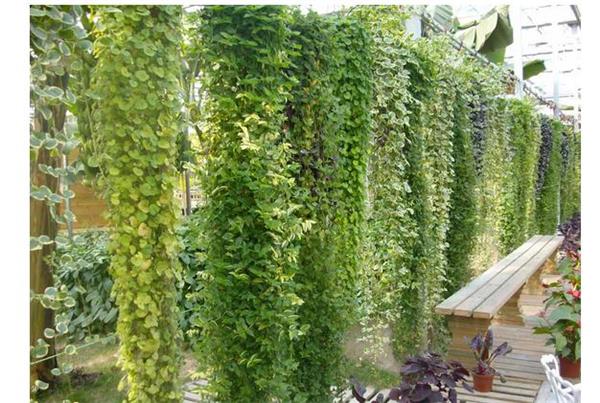
3. Light
Ivy is a typical shade-loving vine flower and plant. It tolerates shade and moisture, and can also grow in a full-light environment. It can be cultivated long-term in a bright room. In a dark room, as long as it is supplemented with light, it can also grow well. It grows well under warm, humid climate conditions and is not cold-tolerant.
4. Watering
The plum rain season and high summer temperatures are when you need to be most careful. For ivy placed outdoors during the plum rain season, as soon as there is accumulated water in the pot, it should be poured out promptly to avoid the roots being soaked for a long time and rotting. In summer, the ambient temperature is high, which is unfavorable for ivy growth; growth stalls above 30°C, so it is better to use more foliar water spraying and irrigation. When water is insufficient, the base of the plant easily loses leaves.
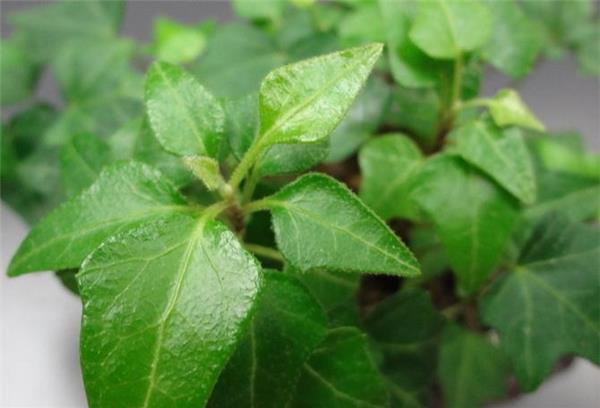
Precautions for Ivy Cultivation
1. Temperature Should Be Suitable
Ivy by habit prefers warmth, with an optimum growth temperature of 20°C-25°C, so it is best to place it indoors for care. Also, in summer, pay attention to air circulation and suitable temperature, and in winter the minimum temperature should be kept at 5°C. Of course, it can generally be kept at 10°C.
2. Light Intensity Should Be Moderate
Only in this way can the leaf shape be kept consistent and the leaf color vivid. But also avoid direct strong light, because if there is too much strong light, it will cause sunscald.
3. Watering Should Be Appropriate
During the growing season, water according to the principle of alternating dry and wet (that is, the potting soil must not be too wet, nor too dry). If there is too much water, it will cause root rot and leaf drop. Especially in winter, when the temperature is rather low, watering should be controlled in particular; just keep the potting soil slightly moist.
4. Reasonable Fertilization
When growing ivy at home, the potting soil can be made by mixing rotten leaves or peat soil with 1/4 river sand and a small amount of bone meal. During the growing season, apply a thin cake fertilizer solution once every 2 to 3 weeks. Generally, do not fertilize in summer and winter, and when fertilizing, also be careful not to apply only nitrogen fertilizer. When fertilizing, also be careful not to stain the leaves, so as to avoid causing the leaves to scorch.
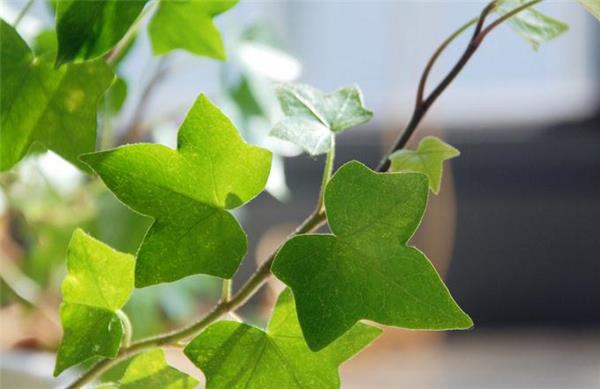
That is all for the related introduction to ivy cultivation methods and precautions. I believe that after reading this, everyone has gained some understanding of ivy cultivation methods. I hope the related knowledge introduced today can be helpful to everyone.