A Detailed Guide to Growing and Caring for Maidenhair Fern
Many friends are not particularly familiar with how to grow maidenhair fern, and problems always seem to arise when they try to keep one. Today we will introduce the growing methods and care tips for maidenhair fern, so let us take a look together.
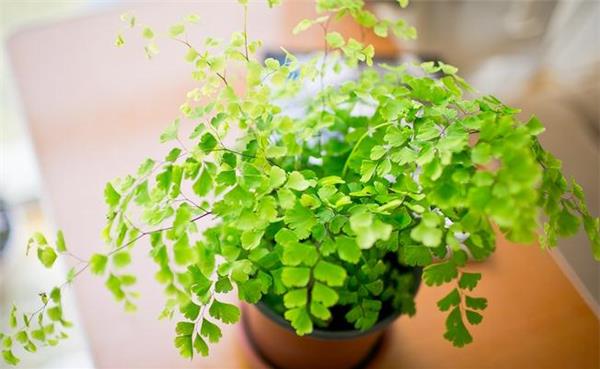
Introduction to Maidenhair Fern
Maidenhair fern is a perennial evergreen herbaceous plant, also known as wire grass, maiden's hair, ironwire grass, and water pig bristle soil. It grows 0.1-0.5 m tall. Because its stems are slender and resemble iron wire in color, it is called maidenhair fern. Maidenhair fern is an indicator of calcareous soil. Maidenhair fern also has many varieties, such as the lotus-leaf maidenhair fern and the kidney-leaf maidenhair fern. The flower meaning of maidenhair fern is "no regrets."
Maidenhair fern originally grew wild on wet stones in streamside valleys. It likes warm, humid, and semi-shaded environments, is not cold-tolerant, and dislikes direct sunlight. It prefers loose, fertile, sandy loam containing lime. During the growing season, apply liquid fertilizer once a week, and be careful to keep the potting soil moist and the air humidity relatively high.
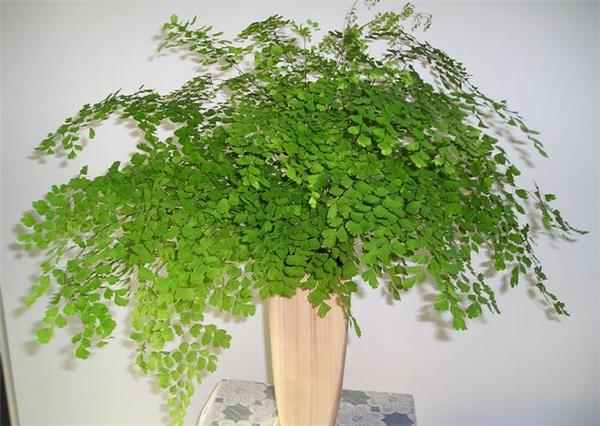
How to Grow Maidenhair Fern
1. Sufficient water: generally keep the soil moist, and be careful to maintain sufficient water during the period when it grows into a mature plant, and appropriately increase air humidity in dry weather. In summer it must not be allowed to lack water, and daily watering must not be wet one moment and dry the next, because this will cause the leaves to turn yellow.
2. Suitable temperature: although maidenhair fern is not very demanding about temperature, you still need to pay attention to high summer temperatures and low winter temperatures. In winter, generally as long as the indoor temperature is kept above 5°C, and in summer it is placed in a cool, ventilated spot kept at around 25°C, that is enough. If exposed to direct sunlight, the leaves will be scorched directly.
3. The soil fertility must not be too poor. Maidenhair fern generally grows in sandy soil rich in humus, and you can also buy potting soil for cultivation. Fertilize every month, applying fertilizer to the root area, and repotting and changing the soil in spring each year when new growth is needed is also very important.
4. Maidenhair fern is a relatively easy fern to grow. Unlike Anthurium, cyclamen, and hollyhock, as long as the environment is suitable, it can be grown with rough, extensive care. After it grows into a mature plant, its form is elegant, small yet unobtrusive. Placed in a small pot on a desk or used as decoration in a rock bonsai, it looks very nice and is suitable for indoor viewing all year round.
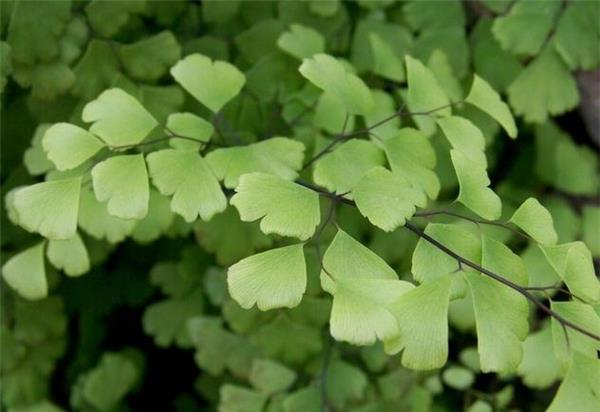
Notes on Growing Maidenhair Fern
As a shade-loving plant, maidenhair fern generally grows in humid environments and is relatively poor at tolerating cold and drought. The soil acidity and alkalinity should be adjusted well; maidenhair fern is relatively suited to acidic soil. In daily placement, put it in a place with light but no direct sunlight, where scattered light is enough. During growth, when the leaves are too dense, prune some appropriately, otherwise it will become too crowded and turn yellow.
What to Do If Maidenhair Fern Leaves Turn Black
Proper care allows it to grow vigorously. If it is not cared for well, then leaf blackening is one such problem. If the winter temperature is too low and unsuitable for growth, below 5°C, then the leaves will turn black and then gradually wither. Although it is a shade-loving plant, if it never sees sunlight all year round and cannot even get scattered light, then it may turn black as the chlorophyll dies. In summer, if there is no ventilation, it may also turn black and yellow.
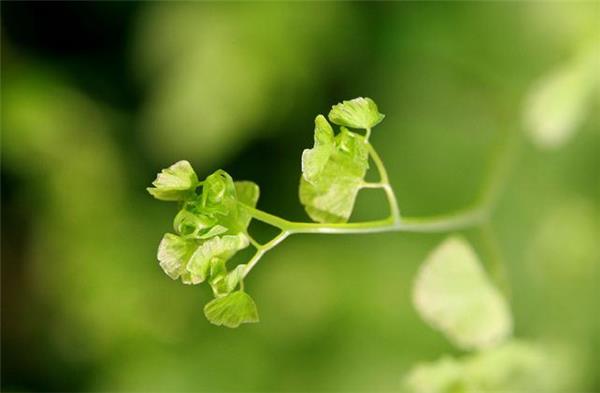
That is all for the related introduction to the growing methods and care tips for maidenhair fern. I believe that after reading this, everyone has gained some understanding of maidenhair fern. I hope the related knowledge introduced today can be helpful to everyone.