What are the benefits and effects of snake plant
There are many kinds of plants, and one of them is the snake plant. So, what are the benefits and effects of the snake plant? How should the snake plant be grown? Today I will give everyone a brief introduction, let us take a look together.
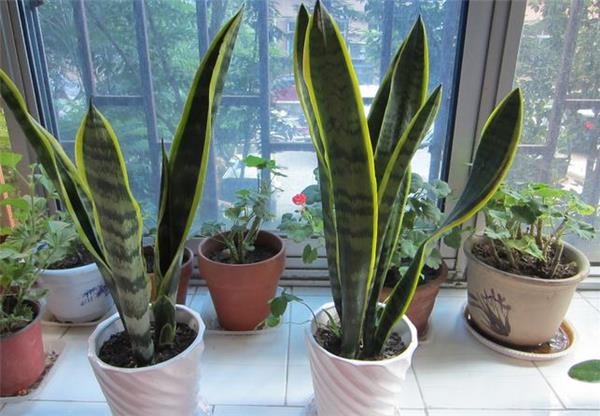
Introduction to the snake plant
The snake plant, also known as mother-in-law's tongue and thousand-year plant, is a perennial evergreen herbaceous plant of the genus Sansevieria in the Liliaceae family, with creeping rhizomes and clustered leaves that are hard and leathery; the leaves of the snake plant are firm and upright. The leaf color is dark green, and both sides of the leaves have alternating light green and dark green markings. The flowers are white or pale green, and the flowering period is in spring and summer. There are many varieties of snake plant, each with a firm and upright posture, peculiar and interesting, and with a certain ornamental value.
The snake plant is native to western Africa, resistant to drought, fond of warmth, tolerant of shade, and averse to waterlogging. It grows relatively fast in spring and summer, and more organic fertilizer can be applied; in autumn and winter, just keep the potting soil slightly dry. It is sensitive to cold in winter; during autumn and winter the snake plant can be placed indoors, and in winter the snake plant does not go dormant and grows normally. The flowering period is in January to February. During the growing period, leaving the snake plant in prolonged blazing sun or in a shaded place is bad for its growth, and will make its leaves lack luster, turn dark and dull in color, and curl, with no ornamental value.
The benefits and effects of the snake plant
Purifying the air: The snake plant not only has ornamental value but also has the effect of absorbing indoor formaldehyde. Placing the snake plant at home can reduce the harm of formaldehyde to the human body, especially in newly renovated houses or furniture, where the effect is particularly good.
Medicinal effects: The snake plant contains abamagenin, and has the effects of clearing heat and detoxifying, and treating bronchitis, bruises, colds, and venomous snake bites.
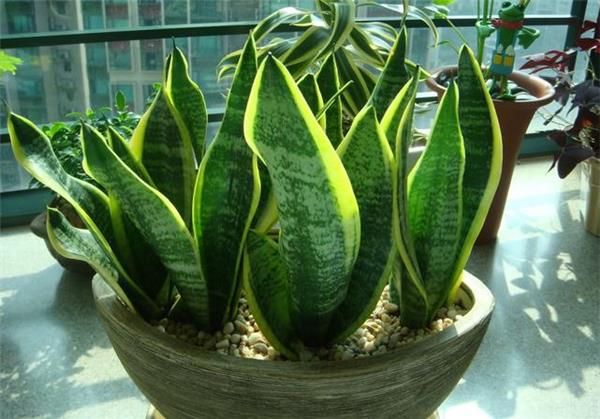
Is the snake plant toxic
For many friends who grow snake plants, this is a very troubling question. The snake plant is a plant with very high ornamental value, and is mostly placed indoors by people as a decorative ornamental plant. Research can show that the snake plant is actually not toxic; on the contrary, the snake plant can effectively absorb harmful gases indoors, has a strong ability to absorb indoor formaldehyde after renovation, and can effectively purify the indoor environment.
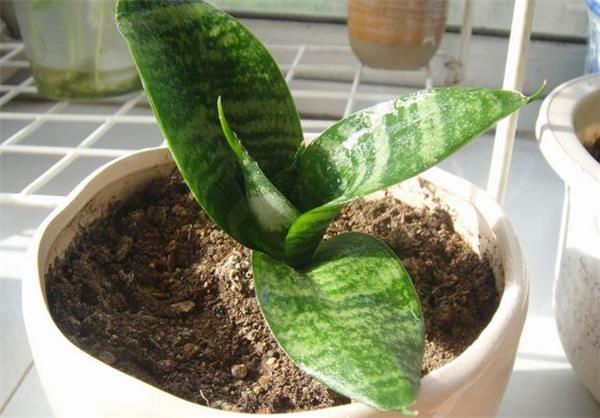
How to grow the snake plant
1. Choice of soil
The snake plant needs loose soil and requires air permeability, so when mixing soil for the snake plant, be sure to use 2/3 leaf mold plus 1/3 garden soil, and remember that the soil must be loose and breathable, otherwise it will make it difficult for water to evaporate, leading to rot of the rhizome.
2. Sunlight requirements
The snake plant likes light, so be sure to let it come into contact with sunlight often, preferably placing it in a spot that can be directly exposed to sunlight; if conditions do not allow, then it should also be placed in a spot relatively close to sunlight. Being placed in a dark place for a long time will cause the leaves to turn yellow.
3. Temperature
The snake plant has rather high requirements for temperature; its suitable growth temperature is 20-30°C, and in winter it should not be lower than 10°C at minimum, so be sure to pay attention, especially in northern regions.
4. Watering
The snake plant also has rather high requirements for water. Generally speaking, if the soil is relatively loose, it needs to be watered twice a week, while in winter, due to climate factors, only once is needed.
That is all for the related introduction to the benefits and effects of the snake plant. I believe that after reading it, everyone has gained a certain understanding of the snake plant. If any friends want to grow snake plants, you can refer to the relevant knowledge points I have introduced for you.