Detailed Explanation of the Cultivation Methods and Precautions for Lemon Balm
Many friends are not particularly familiar with the cultivation methods for lemon balm, and problems always arise during the growing process. So, how should lemon balm be cultivated? Today I will give everyone a simple introduction, and let us take a look together.
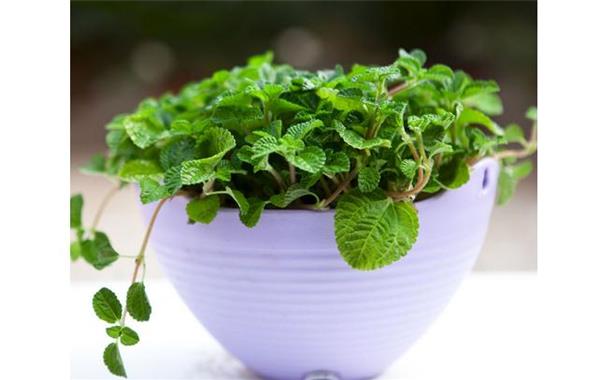
Introduction to Lemon Balm
Lemon balm, scientific name lemon balm or curly mint, also known by other names such as mint balsam, bee balsam, and bee flower. Lemon balm is a perennial plant of the Lamiaceae family, with a plant height of 50 cm. Its stems and leaves have a soapy fragrance, verticillaster inflorescences, and white labiate flowers. It is heat-tolerant and cold-tolerant, and relatively tolerant of drought and waterlogging. Pruning once before the Beginning of Winter allows it to overwinter safely. In winter it can withstand low temperatures below 0°C, while in summer growth is restricted at high temperatures above 30°C. The most suitable growth temperature is between 10-20°C.
Types of Lemon Balm
1. Lemon balm: Lemon balm, also called lemon balm, is a perennial herbaceous plant, with a plant height of about 50 cm and a warm lemon fragrance. Its leaves paired with sugar, honey, or some lemon slices make an excellent beverage for relieving fatigue in summer.
2. Curly mint: Curly mint, also known as lemon balm, is a perennial herbaceous plant, with a plant height of about 30-60 cm. Its tender branches and leaves are often used as a spice for eating.
3. Isodon amethystoides: Isodon amethystoides, also known as juhua and lemon balm, is a shrub-like perennial herbaceous plant with a plant height of 0.75 m. It has good adaptability and rarely has problems; whether in shaded or semi-shaded places, it can live very well.
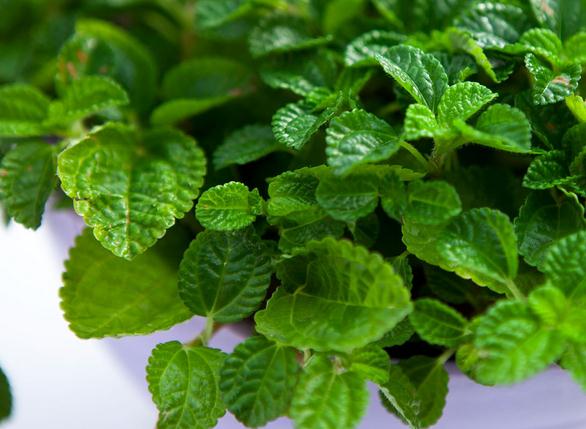
Cultivation Methods for Lemon Balm
Light: Lemon balm needs to be placed in a place with sunlight, and attention should also be paid to ventilation.
Temperature: Lemon balm cultivation is not demanding about temperature. In winter it can withstand low temperatures below 0°C, but if the summer temperature is too high, above 30°C will restrict the growth of lemon balm. The optimal suitable growth temperature is between 10 and 20°C.
Watering: Water with clean water or rice-washing water every 3-5 days. If the branches and leaves wilt due to lack of water, replenish water immediately and they will recover quickly. For nutrient solution, commonly used plant nutrient solution is generally sufficient.
Pruning: Lemon balm grows very quickly, so it is best to prune once a week. Simply remove the new leaves on the taller branches and nodes. If leaves with black edges or old leaves at the base appear, remove them directly and they will not affect the growth of lemon balm.
Pests and diseases: Lemon balm can release volatile oil with bactericidal effects and can absorb harmful gases, so pest problems basically do not occur. It is enough to just maintain the water, sunlight, temperature, and other conditions needed for lemon balm growth.
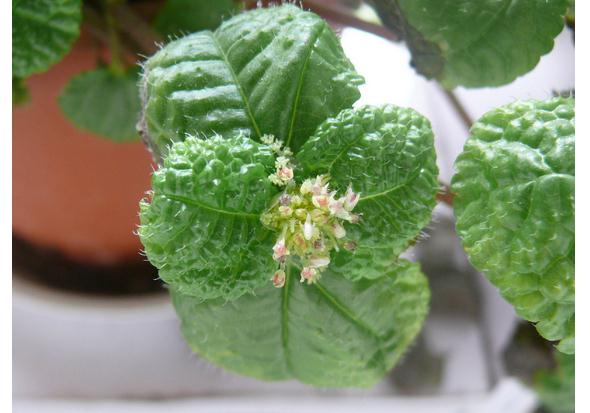
Precautions for Cultivating Lemon Balm
1. Lemon balm grows slowly in winter, so prune as little as possible. After pruning, place it in a sunny place for care.
2. In summer, lemon balm should avoid exposure to scorching sun, and in winter pay attention to keeping it warm. After pruning, place it indoors or outdoors in a ventilated, sunny place.
3. Lemon balm likes moisture. In summer it needs to be watered once a day, and can be watered with clean water or rice-washing water. When lemon balm lacks water, the leaves will shrivel and fall off; at this time, water must be replenished promptly.
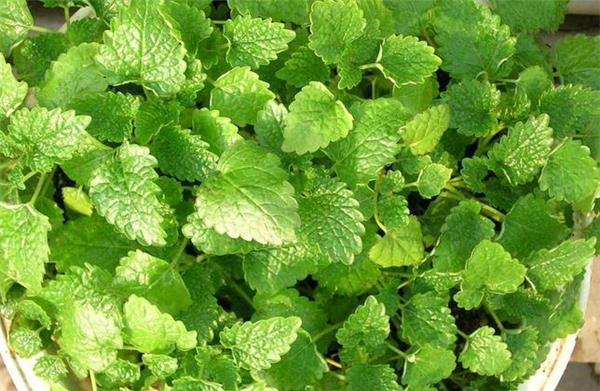
That is all for the related introduction to the cultivation methods and precautions for lemon balm. I believe that after reading this, everyone has gained a certain understanding of how to cultivate lemon balm. I hope the related knowledge introduced today can be helpful to everyone.