A Detailed Guide to Snake Plant Care Methods and Precautions
Many people are not particularly familiar with how to care for snake plants, and problems always seem to arise during the process. So how should a snake plant be grown? Let us take a look together.
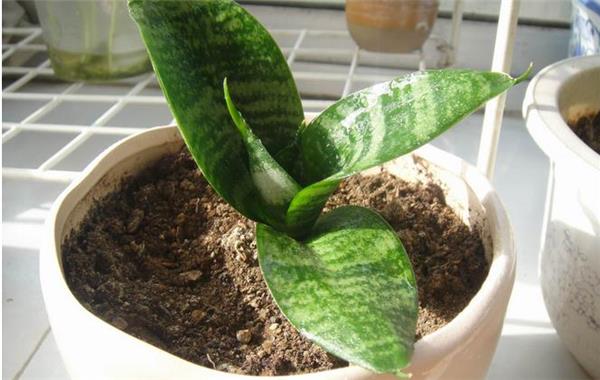
Introduction to the Snake Plant
The two most commonly used methods of propagating snake plants are division and cuttings. Division suits all snake plant varieties and is generally done in combination with repotting in spring. The main step is to cut overly dense leaf clusters into several clumps; each clump should retain a segment of rhizome and offsets in addition to the leaves, and then be potted up. When potting, scatter some fine sand around the roots of the plant to help it survive. For the potting soil, choose a loose, fertile, well-draining sandy soil.
Snake Plant Care Methods
1. Choosing the Soil
Snake plants need loose soil with good aeration, so when mixing soil for a snake plant, be sure to use 2/3 leaf mold plus 1/3 garden soil. Remember that the soil must be loose and breathable, otherwise water will not evaporate easily and the rhizomes will rot.
2. Sunlight Requirements
Snake plants love light, so be sure to let them come into contact with sunlight regularly; ideally, place them somewhere they can be directly exposed to it. If conditions do not allow this, then at least place them somewhere close to the sunlight. Being kept in a dark place for a long time will cause the leaves to turn yellow.
3. Temperature
Snake plants are quite demanding when it comes to temperature. Their suitable growing temperature is 20-30°C, and in winter it should not drop below 10°C, so be sure to pay attention, especially in northern regions.
4. Watering
Snake plants are also quite demanding when it comes to water. Generally speaking, if the soil is fairly loose, they need watering twice a week, while in winter, because of the climate, only once is enough.
5. Pruning
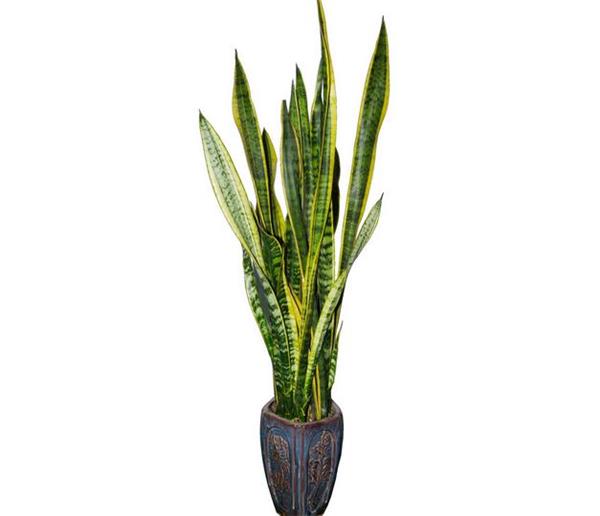
Compared with other green plants kept at home, snake plants grow relatively quickly, so once the pot is full, manual pruning is needed. The main task is to cut away old leaves and overly crowded areas to ensure they get sunlight and have room to grow.
6. Repotting
Snake plants are perennials, and generally speaking they should be repotted once every two years. When repotting, be sure to add nutrients to the new soil so that their nutritional supply is guaranteed.
7. Disease and Pest Control
The most common diseases of snake plants are mainly leaf spot and anthracnose, and if they occur, 50% carbendazim can be sprayed as treatment; a common pest is the weevil, which can be killed by spraying a 1000-fold dilution of 50% fenitrothion emulsifiable concentrate. In everyday care, snake plants should be given plenty of ventilation and must never be left with standing water; also disinfect and sterilize to minimize the occurrence of diseases and pests.
Precautions for Growing Snake Plants
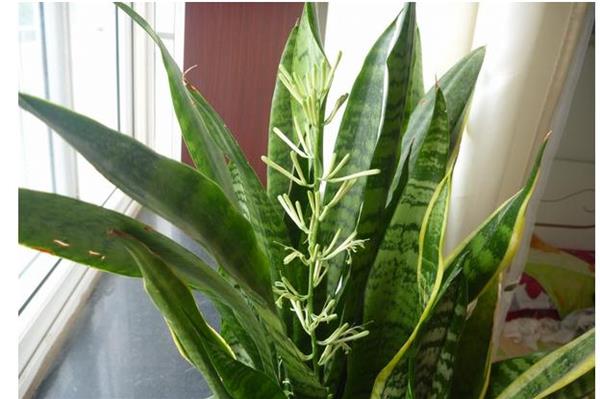
1. If a snake plant has been kept indoors for a long time, do not suddenly move it directly into the sun. First move it to a spot with better light and let it go through an adjustment period before exposing it to sunlight, so that the leaves do not get scorched.
2. Water in moderation, following the principle of preferring dryness over moisture. Normally, wipe dust off the leaf surfaces with clean water to keep the leaves clean and glossy. In spring, when new plants sprout at the root crown, water a little more generously to keep the potting soil moist; in the hot summer season, also keep the potting soil regularly moist; after late autumn, reduce the amount of watering and keep the potting soil relatively dry to strengthen its cold resistance.
That is all for the introduction to snake plant care methods and precautions. I believe that after reading this, everyone has gained some understanding of how to grow snake plants. I hope the related points introduced today can be of some help to you.