What to Do When the Leaf Tips of Your Asparagus Fern Turn Yellow? A Few Solutions
Many friends run into the problem of yellowing leaf tips when growing asparagus fern. So what should you do when the leaf tips of your asparagus fern turn yellow? Today I will give you a brief introduction, so let us take a look together.
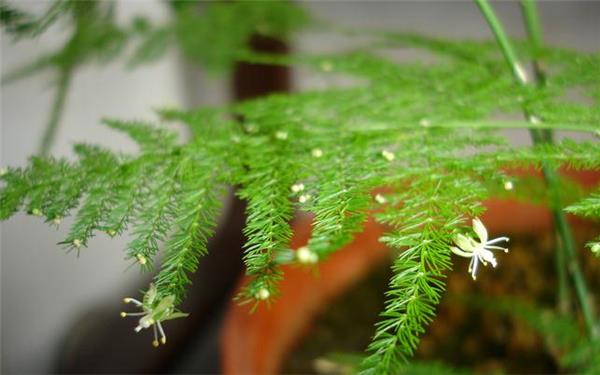
Introduction to Asparagus Fern
Asparagus fern (Asparagus plumosus) is an evergreen ornamental plant belonging to the genus Asparagus in the lily family, native to Africa. It is a common potted ornamental in homes. Asparagus fern is a green climbing plant; its roots and stems are fleshy, with soft stems that grow upright. It has nodes just like bamboo, symbolizing steady progress step by step. Because it resembles a dwarf bamboo but has more elegance and artistic flair than bamboo, ancient scholars and writers called it "wenzhu" (asparagus fern).
Reasons for Yellowing Leaf Tips of Asparagus Fern
1. Strong light exposure. Asparagus fern prefers partial shade when grown, and should not be exposed to strong direct sunlight in summer, otherwise the branches and leaves will wither and turn yellow. The solution is to move the pot to a shady spot and spray the foliage with water more often to increase humidity.
2. Improper watering. Although asparagus fern likes moisture, it can also suffer from waterlogging when too wet, so during cultivation it is best to keep the potting soil alternating between dry and moist; generally, do not water when the soil is dry, and water thoroughly when you do, but do not let too much water accumulate on the surface of the pot. If overwatering occurs, you can temporarily stop watering and instead only spray the leaf surface to keep the asparagus fern moist.
3. Improper fertilizing. Applying fertilizer that is too concentrated or using undecomposed fertilizer can both cause the leaves of asparagus fern to turn yellow and drop off. And if the potting soil is too poor in nutrients, it will likewise cause the leaves to turn yellow. So when fertilizing, pay attention to applying it lightly; you can fertilize more often but in smaller amounts, and use decomposed fertilizer. For cases that have already appeared, you can solve the problem by changing the potting soil. It is worth noting that fertilizing is not suitable during low temperatures in winter and high temperatures in summer.
4. Gas poisoning. Asparagus fern is very sensitive to smoke and dust. If it is frequently exposed to harmful gases such as smoke and dust, it will show signs of poisoning with yellowing branches and leaves. When this happens, promptly move the pot away from its original location and step up the work of sprinkling water on the leaves to remove dust.
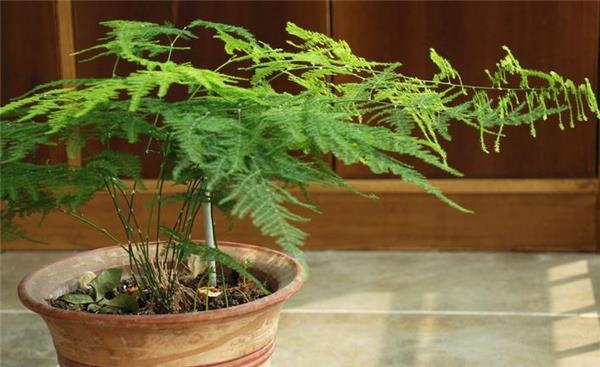
What to Do When the Leaf Tips of Your Asparagus Fern Turn Yellow
Because asparagus fern has relatively high temperature requirements and likes a partially shaded environment, if your asparagus fern's leaves have turned yellow and it is placed outdoors, you can consider moving it indoors. Because asparagus fern likes water and has a high demand for it, many people give it a lot and lot of water, but this is actually very bad for it. Although asparagus fern likes moist soil, it will become waterlogged when too wet, which is harmful to its growth and causes its leaves to turn yellow. When this happens, water it a little less each day and try to use a spray bottle to mist the leaves rather than pouring water over it.
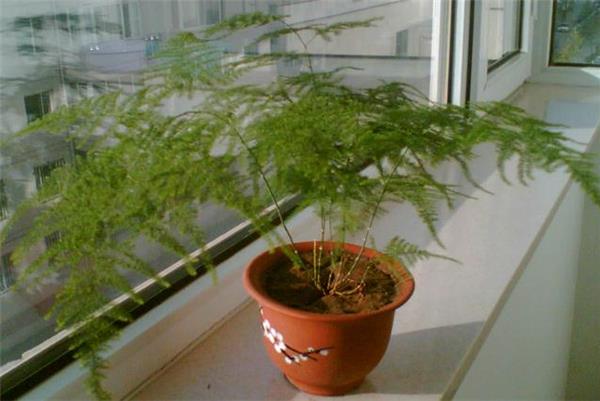
Points to Note When Growing Asparagus Fern
1. The soil for asparagus fern needs to be kept relatively clean, and when caring for it you should not add dirty things to the soil. Regularly changing the soil and adding fertilizer is a good guarantee for the growth of asparagus fern.
2. Watering asparagus fern should follow one principle: do not water when the soil is dry; water less in spring and autumn, more in summer, and preferably not at all in winter.
3. When applying fertilizer to asparagus fern, note that it should be light and frequent, with a moderate amount being best; nitrogen fertilizer is best. Especially after the plant is established, fertilizer should be properly controlled so as not to cause leggy growth.
4. While providing light, remember that asparagus fern is a partial-shade plant and is not suited to long periods of exposure; as long as you do not take it outside in summer, that is fine.
5. Asparagus fern does bloom, and when it is flowering it should not be exposed to wind, as this will make the flowering period very short; it should also not be exposed to rain, as this will also shorten the flowering period and prevent it from producing fruit. When grown in pots, it should be well cared for during the flowering period.
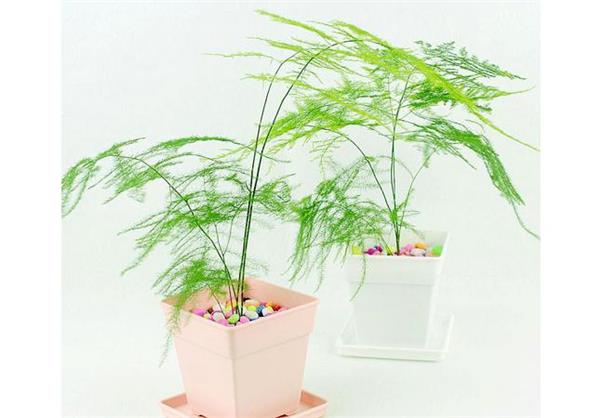
That is all for the introduction to the causes of yellowing leaf tips in asparagus fern and the solutions. I believe that after reading this, everyone has gained some understanding of asparagus fern. If any friends want to grow asparagus fern, you can refer to the relevant points I have introduced for you.