Detailed Guide to the Cultivation Methods and Precautions for Peperomia
Many friends are not particularly familiar with the cultivation methods for Peperomia, and problems always arise during the growing process. So, how should we cultivate Peperomia? Today I will give everyone a brief introduction, let's take a look together.
Introduction to Peperomia
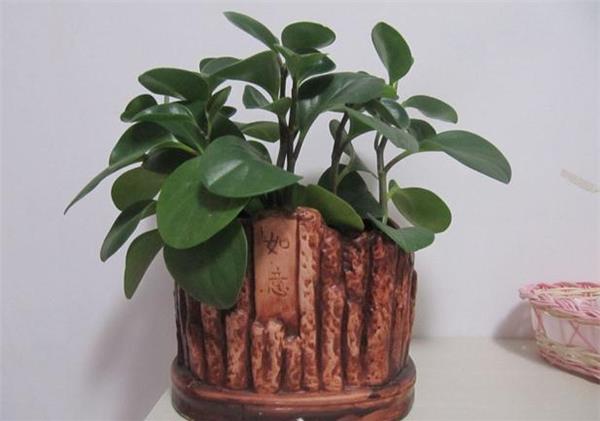
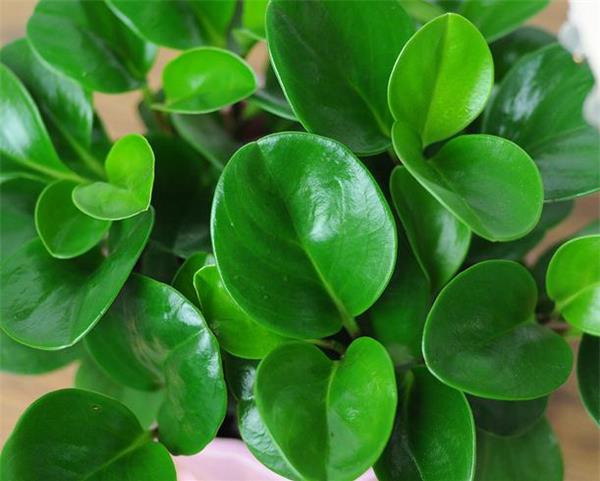
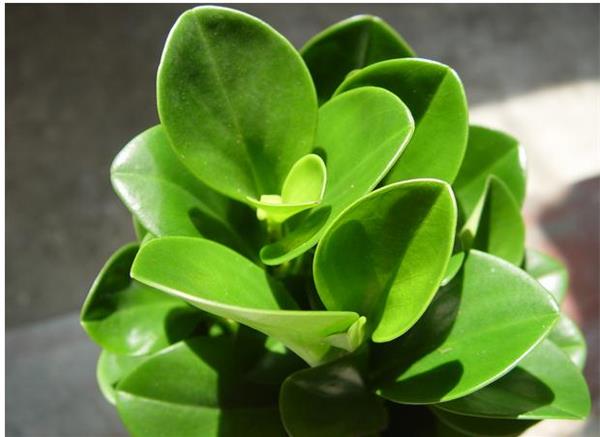
Peperomia is a perennial herb with a plant height of 15-20 cm. It has no main stem. The leaves are clustered, the stem is fleshy and rather thick, the leaves are obovate, gray-green mixed with dark green vein patterns. The spike inflorescence is grayish-white. Cultivated varieties include the spotted-leaf type, whose fleshy leaves have a red flush; the variegated-leaf type, whose leaves are green in the middle with a broad golden-yellow border along the edge; the glossy-leaf type, with heart-shaped leaves that have a metallic luster. The wrinkled-leaf type has deeply sunken veins, forming a highly wrinkled leaf surface, which is extremely interesting.
Cultivation Methods for Peperomia
1. Soil: Peperomia likes to grow in loose, fertile, well-drained sandy soil rich in humus, and is not suited to growing in clay soil, so the substrate is usually a mix of leaf mold, river sand and a small amount of decomposed organic fertilizer; for a better substrate, you can choose a mix of peat soil and perlite for cultivation.
2. Watering: Peperomia is rather fond of water and is not drought-tolerant. During the growing period it should be watered frequently. When the temperature is above 25°C or the air is dry, water more, but also prevent waterlogging. When the temperature is below 25°C, water thoroughly only when the surface of the potting soil is dry. When the temperature is below 10°C, it can tolerate several days of dryness without watering.
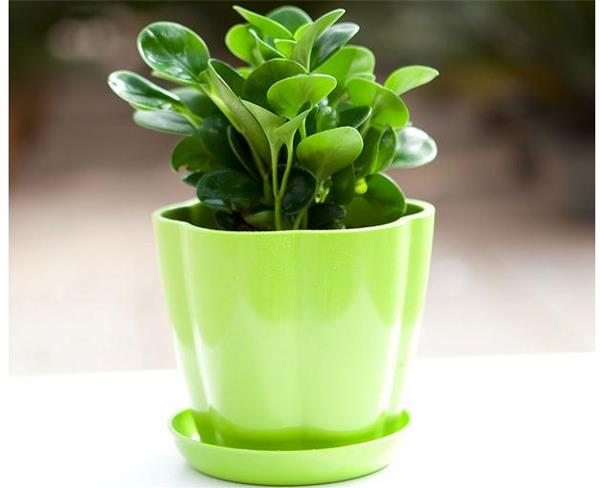
3. Humidity: Peperomia likes a moist growing environment. Under conditions of high humidity it grows luxuriantly and its leaf color is vivid. When the temperature is high or the air is dry, increase misting of the leaf surface or sprinkle water in the growing environment to maintain relatively high air humidity, which is extremely beneficial to the plant's growth. It can also adapt to a short period of dry environment, but not for long; generally it should be kept at around 70%.
4. Temperature: Peperomia likes a warm environment. The suitable growing temperature is between 20-30°C. The overwintering temperature is best kept above 10°C. Below 10°C it stops growing, and below 5°C it is prone to frost damage.
5. Pruning: For newly propagated young seedlings, when the seedling height is about 10 cm, pinch off the growing tips to increase the number of branches; this way the plant shape is fuller and its ornamental value is higher. For large plants, pruning is generally determined by the growth condition.
Precautions for Cultivating Peperomia
Peperomia is rather fond of water and not drought-tolerant. Normally, watering should follow the principle of watering when dry and stopping when wet, and the potting soil must not be too dry. But at the same time as watering, also be careful to avoid water accumulating in the pot, as waterlogging easily causes root rot and leads to plant disease. In winter at low temperatures, it depends on the situation; when the temperature is low, water less, and on sunny days, water appropriately more.
To avoid water accumulating in the pot, it is best to choose a clay pot or ceramic pot with good air permeability when planting. Households with heating in winter should also frequently mist the leaves; while cleaning the leaves, appropriately increase the humidity as well, so that the leaves of Peperomia can be emerald green and bright. Peperomia does not have high requirements for fertilizer and water. Apply a small amount of fertilizer in both winter and summer; in other seasons you can water with dilute fertilizer solution. It is best to achieve "light fertilizer applied frequently", and avoid concentrated fertilizer or raw fertilizer.
That is all for the related introduction to the cultivation methods and precautions for Peperomia. I believe that after reading this, everyone has gained some understanding of Peperomia. I hope the related knowledge points introduced today can be of help to everyone.