What Are the Important Roles of Green Plants? A Detailed Explanation
Many people like to place some green plants indoors, so how much do you know about the roles of green plants? Some people may not be particularly familiar with this, so today I will give a brief introduction for everyone. Let us take a look together.
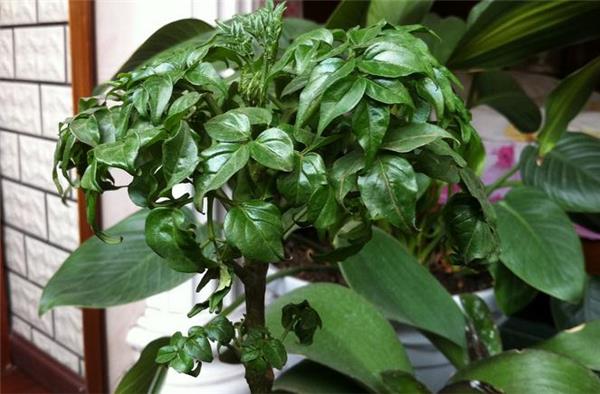
What Roles Do Green Plants Play
1. Lucky bamboo
Lucky bamboo (Dracaena sanderiana) is a symbol of great good fortune and is deeply loved by people. It has relatively few pests and diseases, is easy to manage, and easy to cultivate. Whether grown in water or in soil, it is very suitable for placing indoors, and it is in fact best placed indoors, because it prefers shade, and putting it outdoors in direct sun will instead cause its leaves to wither. Lucky bamboo does not need frequent water or soil changes; changing them too often will instead affect its normal growth. For example, for lucky bamboo grown in water, add a little overnight tap water, and add some nutrient solution once every two to three weeks when changing the water. It stays evergreen all year round, and its bright green leaves are very attractive. It can also be trimmed into whatever shape you want, with changeable styles and good fortune.
2. Spider plant
The spider plant (Chlorophytum comosum) has soft leaf colors, with white showing through the green and green showing through the white, very eye-catching against the sunlight. The spider plant is also very easy to grow; it can grow under strong light and can also carry out photosynthesis under weak light. For example, if your home has just been renovated and various harmful gases have not yet dissipated, you can plant a few pots of spider plants, which can absorb toxic gases, equivalent to an air purifier, making it a relatively elegant indoor green plant.
3. Asparagus fern
The asparagus fern (Asparagus setaceus) has soft, emerald-green leaves and an elegant plant shape, full of charm, and makes a green addition to the home indoors. The asparagus fern is a shade-loving plant, so it is fine to grow it indoors, and you can trim it when you have time. Its unique plant fragrance absorbs harmful gases at night, and it can also kill bacteria and stimulate the sense of smell and digestive function, which is very good for human health.
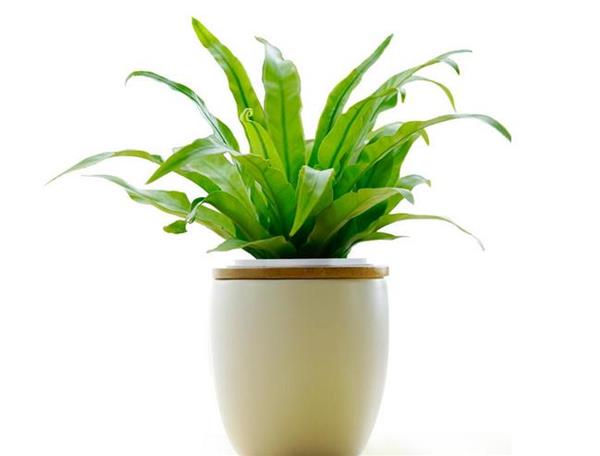
The Role of Green Plants: Pothos
1. Ornamental value: As one of the excellent indoor decorative plants and a climbing vine foliage flower, pothos (Epipremnum aureum) has slender, soft stems and delicate, elegant leaves. You can place a pot on top of a cabinet and let its vines hang down freely, or after the vines hang too long, loop and hang them into a circle, just like an emerald relief. Pothos not only purifies the air, but also adds lively lines and bright colors to the interior.
2. Medicinal value: Pothos flowers are also a medicine beneficial to the body. Pothos flowers have significant therapeutic effects on diabetes, coronary heart disease, high blood pressure, high blood lipids, and various vascular inflammations. Pothos flowers can lower blood sugar and blood lipids, and mainly have a good auxiliary therapeutic effect on diabetes, fatty liver, coronary heart disease, obesity, high blood lipids, and various vascular inflammations. In addition, they have a good health care effect on the eyes and liver.
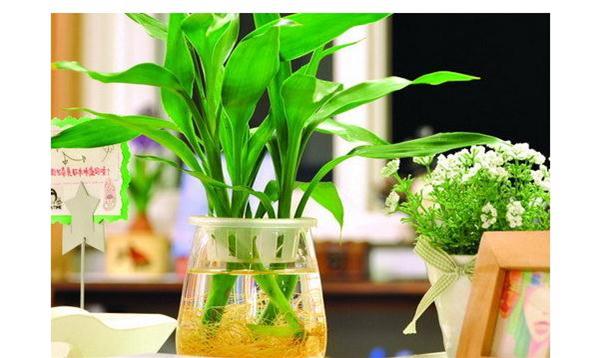
The Role of Green Plants: Asparagus Fern
Asparagus fern, also known as cloud-pine, spiny asparagus, and cloud bamboo, is an evergreen foliage plant with high ornamental value. It is Asparagus setaceus of the Liliaceae family, Asparagus genus. The roots of asparagus fern can be used as medicine, having the effect of treating acute bronchitis and relieving cough, and having the effect of moistening the lungs. It is mainly grown in pots for its foliage, and is also an important material for cut foliage.
It is said that asparagus fern can improve cultural refinement, and it can have a certain regulating effect on people with liver disease, mental depression, and low mood. At night, asparagus fern, in addition to absorbing harmful gases such as sulfur dioxide, nitrogen dioxide, and chlorine, can also secrete gases that kill bacteria, reducing the occurrence of infectious diseases such as colds, typhoid, and laryngitis, which is very beneficial to human health.
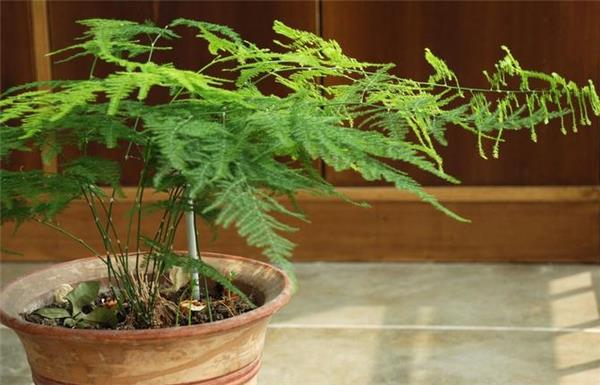
That is all for the related introduction to the roles of green plants. I believe that after reading this, everyone has gained some understanding of the roles of green plants. If any friends want to place plants at home, you can refer to the relevant knowledge points I have introduced for you.