How to grow Burro's tail (Sedum morganianum)? A detailed guide to care methods
Many friends are not particularly familiar with how to grow Burro's tail, and problems always come up during the growing process. So, how should Burro's tail be grown? Let's take a look together below.
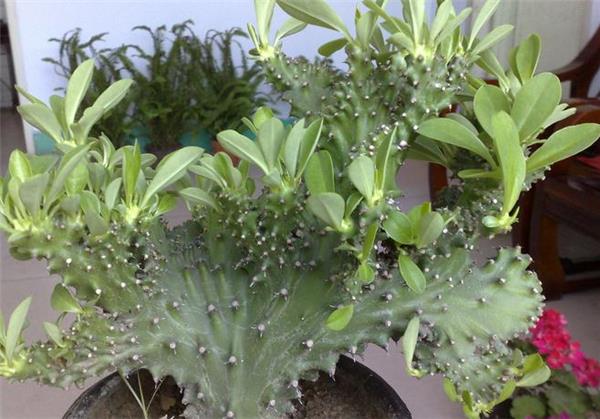
Introduction to Burro's tail
Burro's tail (Sedummarganianum), also known as string-of-beads plant, is a succulent in the Crassulaceae family, genus Sedum, native to Mexico and widely cultivated around the world. It likes a warm, semi-shaded environment, dislikes direct strong light, and grows best in loose sandy soil. For indoor potted plants, a potting mix made of equal parts peat soil and fine sand is often used.
Growth habits of Burro's tail
1. When the young Burro's tail plant grows upright, it is suitable for planting in a small pot and placing on a desk or coffee table for viewing. Once mature, the stems and leaves droop, much like artificially carved green agate bead strings, glittering and bright; using hanging pots or hanging baskets, suspended by a window or in a corner and letting the tender green bead strings sway in the wind around the flower pot, is simply perfect.
2. Burro's tail is a succulent in the Crassulaceae family. Native to Mexico, it likes a warm, semi-shaded environment, dislikes direct strong light, and is suitable for growing in loose sandy soil. For indoor potted plants, a potting mix made of equal parts peat soil and fine sand is often used. It is highly adaptable and likes sufficient light; it grows best under indoor diffused light, with thick, green stems and leaves. During the growing season, keep the soil slightly dry; in summer, when temperatures are high, it enters a semi-dormant state, so watering should not be excessive. If the potting soil is too wet and ventilation is poor, leaves easily drop off and rot. Usually move it as little as possible, because its small leaves easily fall off when bumped.
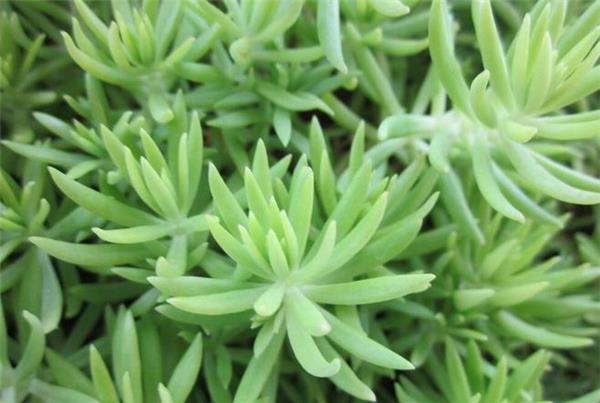
Care methods for Burro's tail
Propagation of Burro's tail: cutting propagation. Cut tender branches and insert them directly into a plain sand hotbed; under humid conditions at 25°C, they will root and sprout in 25 days. Cultivation and management are relatively simple. With insufficient sunlight, stems and leaves tend to grow leggy, affecting the ornamental effect.
When the young Burro's tail plant grows upright, it is suitable for planting in a small pot and placing on a desk or coffee table for viewing. Once mature, the stems and leaves droop, much like artificially carved green agate bead strings, glittering and bright; using hanging pots or hanging baskets, cut tender branches and insert them directly into a plain sand hotbed; under humid conditions at 25°C, they will root and sprout in 25 days. Cultivation and management are relatively simple.
Burro's tail has thick stems and leaves and is drought-tolerant, suitable for growing in a ventilated, semi-shaded, semi-sunny environment. In the hot summer season, water less and place it in a cool spot.
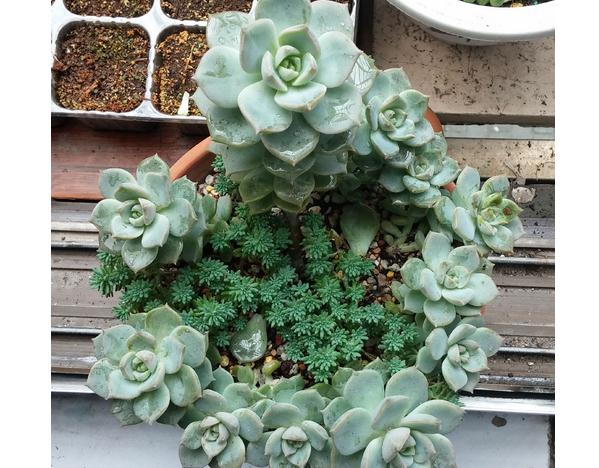
In winter, the indoor temperature should not be lower than 10°C. Water according to the principle of watering when dry and stopping when wet; overwatering often causes root rot and yellow leaves, so it is better to water less.
Burro's tail has thick stems and leaves that can store a large amount of water, making it relatively drought-tolerant; for potting, it requires well-drained sandy soil. It likes semi-shaded conditions and is best grown indoors in a ventilated, cool place; under high temperature and high humidity in summer, combined with poor ventilation, it very easily suffers leaf drop and rot.
During cultivation, watering should not be excessive. The fleshy stems grow creeping and the fleshy leaves grow clasping the stems; the whole plant shape looks very much like something artificially made, and it is a beautiful indoor hanging plant. It likes a warm, semi-shaded environment; in winter, place it in a cool room, maintain around 10°C and keep the potting soil slightly dry. With insufficient sunlight, stems and leaves tend to grow leggy, affecting the ornamental effect.
That is all for the related introduction to Burro's tail care methods. I believe that after reading this, everyone has gained some understanding of how to grow Burro's tail. I hope the related knowledge shared today can be of help to everyone.