What are the cultivation methods for string of pearls?
Many friends are not particularly familiar with the cultivation methods for string of pearls, and problems always come up during the growing process. So how do you grow string of pearls? Today I will give everyone a brief introduction, so let us take a look together.
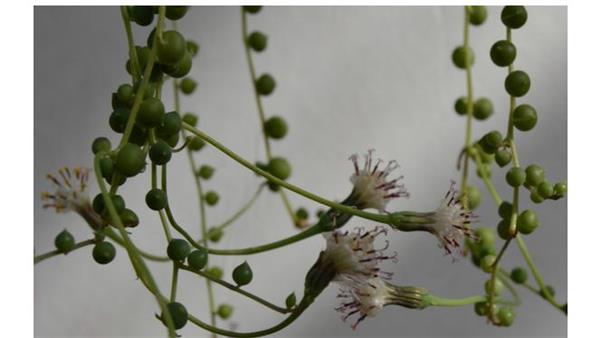
Introduction to string of pearls
String of pearls is a plant of the class Dicotyledoneae and the division Angiospermae, native to southern Africa, and is now widely cultivated around the world. String of pearls likes a warm, humid, and semi-shaded environment; it is highly adaptable and relatively tolerant of drought and cold; it likes soil rich in organic matter that is loose and fertile. String of pearls has a certain ornamental value, so it is often used for indoor greenery planting and is an ideal flower for hanging cultivation at home; in addition, because string of pearls has the function of absorbing toxic gases such as benzene and formaldehyde, it is also known as a "green purifier."
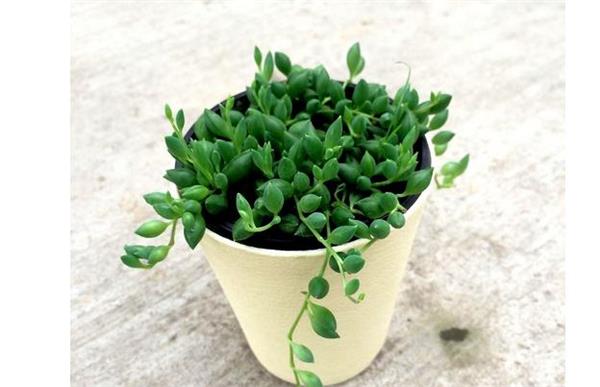
Cultivation methods for string of pearls
1. Watering: The fleshy stems of string of pearls are thick and juicy, and its drought tolerance is relatively strong, but its resistance to rot is somewhat weak. Therefore, in daily watering, the principle of rather dry than wet should be followed, especially in summer, when root rot is most likely to occur. When watering, it is best to use a spray method. String of pearls prefers a semi-shaded environment; whether it is high temperature or excessive shade, both will affect its growth.
2. Fertilizing: Fertilizing should follow the principle of "light fertilizer, frequent application," dividing the fertilizer into multiple applications and applying it in small amounts. Generally, 1-3‰ nitrogen fertilizer and potassium dihydrogen phosphate are applied, which can promote the growth of its leaves.
3. Environment: String of pearls likes a warm and humid environment and grows best at 20-28°C. If the temperature is too high, string of pearls will adaptively go dormant; at this time its demand for water and fertilizer is very low, so watering and fertilizing can be reduced, otherwise it will cause root rot.
4. Pests and diseases: Aphids are one of the most common insect pests of string of pearls, often appearing in spring. They can be killed by spraying 1500-times diluted omethoate or simply removed by hand, and the damage is relatively minor. In summer, mites often appear and should be killed with 1000-times diluted dicofol. Mites generally arise because the leaf surface humidity is insufficient and ventilation is poor.
5. Soil: It is best to use leaf mold soil, which can provide the nutrients needed for plant growth. The soil requirements are not high; the most important things are its air permeability and water drainage.
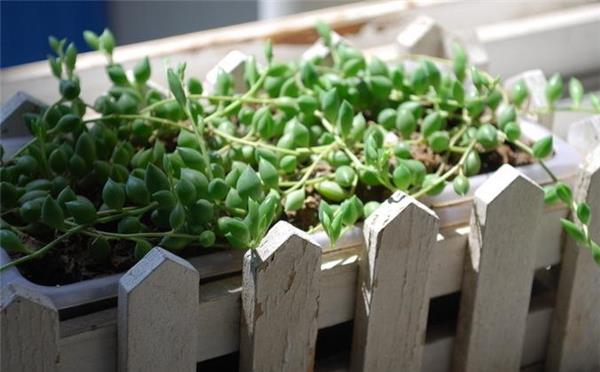
Precautions for cultivating string of pearls
1. String of pearls likes soil rich in organic matter that is loose and fertile. During cultivation, it is best to choose leaf mold soil as its growing medium. Leaf mold soil is rich in organic matter, loose and breathable, has good water drainage, and is highly fertile, and can provide sufficient nutrients for the growth of string of pearls.
2. String of pearls likes a warm environment, but it is highly adaptable, tolerant of high temperatures, and also relatively tolerant of cold. However, under high and low temperature conditions, although it can grow normally, it is almost in a dormant state and grows very slowly. The optimal suitable temperature for string of pearls is between 20 and 28°C.
3. String of pearls likes moisture, but its drought tolerance is also very good; however, its rot resistance is not very good, and it is averse to both drought and waterlogging. In daily watering, remember to rather keep it dry than wet, especially in summer, when temperatures are high and water evaporates quickly. People greatly increase the frequency and amount of watering, and too much water in the soil very easily causes root rot. If rot occurs, the rotted parts should be cut away in time.
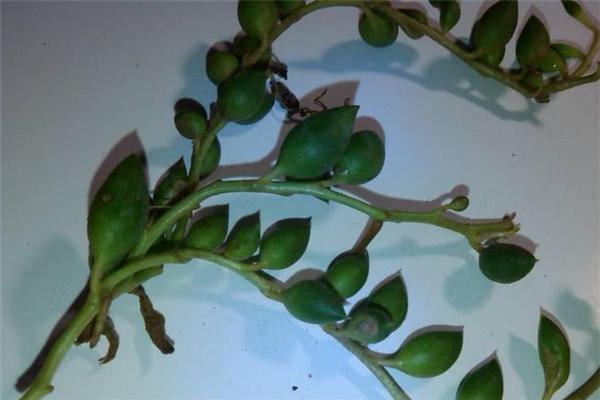
That is all for the related introduction to the cultivation methods for string of pearls. I believe that after reading this, everyone has gained some understanding of string of pearls. If any friends want to grow string of pearls, you can refer to the related knowledge points I have introduced for you.