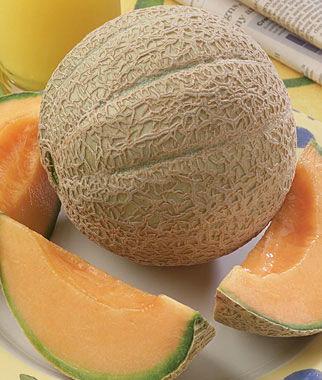
Introducing the Characteristics and Growing Methods of the New Melon Variety Golden Heart
Golden Heart Melon - This variety features 3-pound melons that are ready to eat in 90 days, with sweet, thick flesh and very round fruit, on vines reaching up to 6 feet, and is available as an organic-certified product.
Golden Heart Melonis a beautiful melon with sweet, deep-orange golden flesh that is sweet, juicy and aromatic. The rind is thin, heavily netted and moderately ribbed. The vigorous, productive plants produce nearly round, medium-sized, 2-3 pound fruits that can be picked within 90 days of sowing. A heirloom introduced around 1900, it was once the most popular commercial cantaloupe in the Midwest. The deep-orange flesh is thick and very sweet.
Golden Heart Melon Growing Techniques
Direct sowing is recommended, but to get a head start, you can start the melons indoors in individual biodegradable pots 3-4 weeks before the last frost. Sow 2-3 seeds per pot.
Plant the seeds 1/2 inch deep in a seed-starting mix
Keep the soil moist at 70 degrees Fahrenheit
Seedlings appear in 7-14 days
Once the seedlings appear, provide plenty of light on a sunny windowsill, or grow them under fluorescent plant lights for 3-4 hours, growing 3-4 cm, and turn the lights off for 8 hours at night. Raise the lights as the plants grow taller. Incandescent bulbs cannot be used for this process because they become too hot. Most plants need a dark period to grow, so do not leave the lights on for 24 hours.
Seedlings do not need much fertilizer; according to the manufacturer's instructions, feed them at 3-4 weeks of age with a starter solution (half the strength of a complete indoor houseplant food).
Thin to one plant per pot.
Before planting in the garden, the seedlings need to be “hardened off”. Move the young plants to outdoor conditions, placing them outside in a sheltered spot for a week. Be sure to protect them from wind and hot sun. If frost threatens at night, cover the containers and bring them indoors, then take them out again in the morning. This hardening-off process strengthens the plants' cell structure and reduces transplant shock and scorching.