How to Grow a Snake Plant? A Detailed Guide to Care Methods
Many people are not particularly familiar with how to care for snake plants and often run into problems while growing them. So how should a snake plant be grown? Let's take a look together.
A Brief Introduction to the Snake Plant
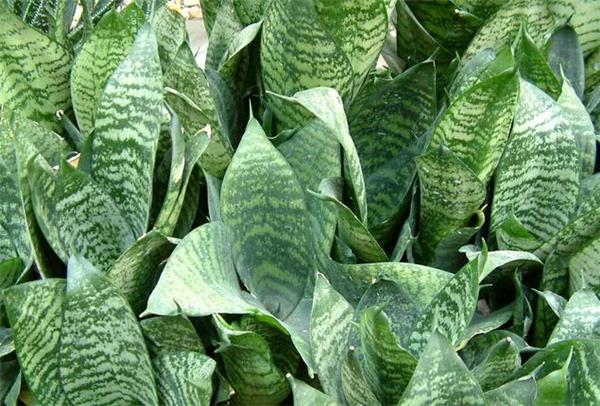
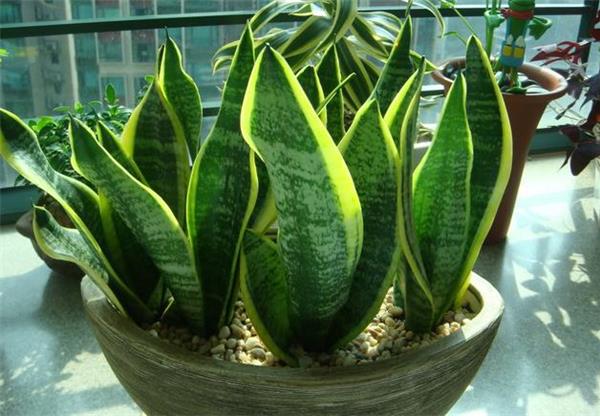
The snake plant, also known as mother-in-law's tongue or thousand-year plant, is a perennial evergreen herbaceous plant of the genus Sansevieria in the family Liliaceae, with creeping rhizomes, clustered leaves that are hard and leathery, and firm, upright blades. The leaf color is dark green, with light green and dark green markings alternating on both sides of the leaf. The flowers are white or pale green, and the flowering period is in spring and summer. There are many varieties of snake plants, each with a bold, upright posture and a curious, intriguing look, giving them a certain ornamental value.
Snake Plant Care Methods
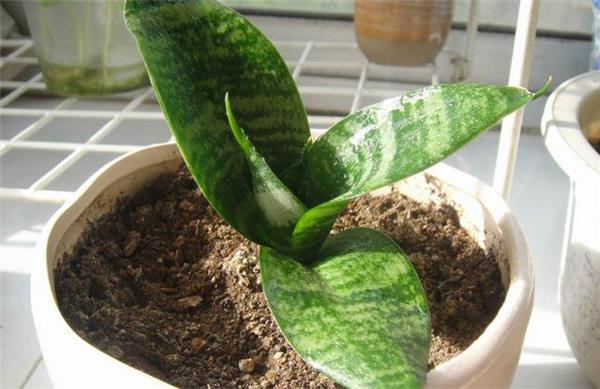
For potted snake plants, you can use an equal mix of leaf mold and garden soil with a small amount of decomposed base fertilizer as the growing medium. Snake plants grow well under conditions of ample light. Apart from midsummer, when direct harsh sunlight must be avoided, they should receive plenty of sunlight in the other seasons. If placed in a spot indoors with too little light for too long, the leaves will darken and lose their vitality. In addition, if a snake plant has been kept indoors for a long time, it should not suddenly be moved directly into the sun; it should first be moved to a brighter spot so it has a chance to adapt before being exposed to sunlight, to avoid scorching the leaves.
Snake plants should be watered in moderation, following the principle of preferring dry over wet. Usually, wipe dust off the leaf surface with clean water to keep the leaves clean and glossy. In spring, when new plants sprout at the root crown, water a little more generously to keep the potting soil moist; in the high-temperature summer season, the potting soil should also be kept moist regularly; after late autumn, watering should be controlled so the potting soil stays relatively dry, to strengthen cold resistance. Snake plants do not have high fertilizer requirements; during the growing season, apply a dilute liquid fertilizer 1-2 times a month to keep the leaves verdant and thick.
Snake plants are highly adaptable, preferring warmth and humidity, tolerating drought, and liking light while also tolerating shade. They are not demanding about soil, doing best in sandy loam with good drainage. Their optimum growing temperature is 20-30°C, and the overwintering temperature is 10°C.
The Feng Shui Role of the Snake Plant
Regarding the feng shui role of the snake plant, many people say it has the feng shui effect of attracting wealth. This effect comes from the study of the five elements of plants. If a potted snake plant is placed in the living room and the main door faces south, since south belongs to fire, then the snake plant, whose attribute is wood, is very suitable for growing in the living room; it is said this can help regulate the family's digestive health.
Snakes plants placed on the balcony. The balcony is where the home gathers energy, so plants that promote prosperity and ward off bad energy can be placed there. If outside the balcony there are beautiful mountains and waters with no inauspicious forms, then prosperity-promoting plants should be grown. The snake plant is just such a prosperity-promoting evergreen plant, very suitable for growing on the balcony or in a wealth position, to increase the home's wealth energy and bring in and boost fortune, making it a very good feng shui plant.
Snake plants placed in the office. The office is where people work every day, so creating a good environment is even more important. Snake plants stay green all year round; placed in the office they bring lush greenery and vitality, can lift people's mood, and also have the effect of attracting wealth and gathering treasure. More importantly, they can protect against radiation and absorb toxic gases and dust, keeping you working in a healthy environment all along.
That is all for the introduction to snake plant care methods. I believe that after reading this, everyone has gained some understanding of how to care for snake plants. If any friends want to grow snake plants indoors, you can refer to the relevant points I have introduced for you.