How to Grow a Golden-Edged Snake Plant? A Complete Guide to Care Methods
Many friends do not have a particularly good understanding of how to grow the golden-edged snake plant, and problems always seem to come up during the growing process. So how should the golden-edged snake plant be grown? Let us take a look together below.
Introduction to the Golden-Edged Snake Plant
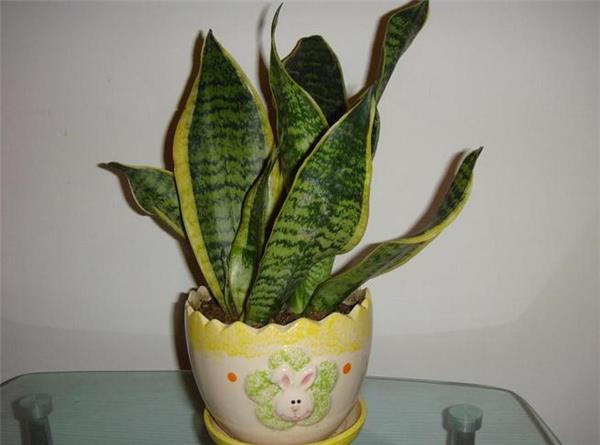
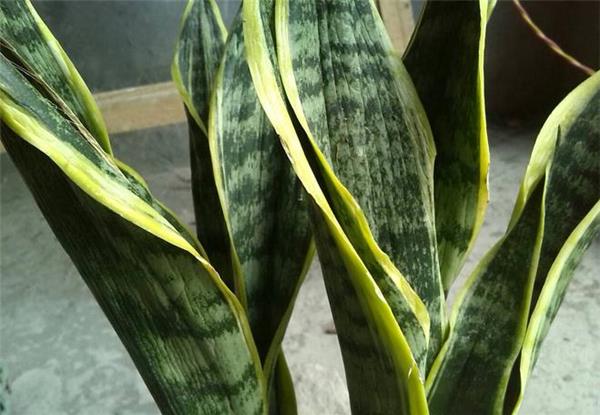
The golden-edged snake plant is a perennial herbaceous plant. The rhizome is rolled into a tube shape, and the leaf emerges as a tube as well; as the leaf gradually rises, it slowly unfurls and lies flat. The leaves are thick and leathery. The golden-edged snake plant is a perennial succulent herbaceous plant. It has creeping rhizomes that are brown, semi-lignified, and strongly branching. The leaves grow from the underground stem, clustered, flat, upright, with pointed tips, sword-shaped; the leaves are 30-50 cm long and 4-6 cm wide, with entire margins. The leaf color is light green, with white and dark green horizontal cloud-like stripes on both the upper and lower sides, resembling tiger skin, and the surface has a very thick waxy layer. The flowering period is generally in November, with a fragrance, and it mostly does not set seed.
Can the Golden-Edged Snake Plant Be Placed in the Bedroom?
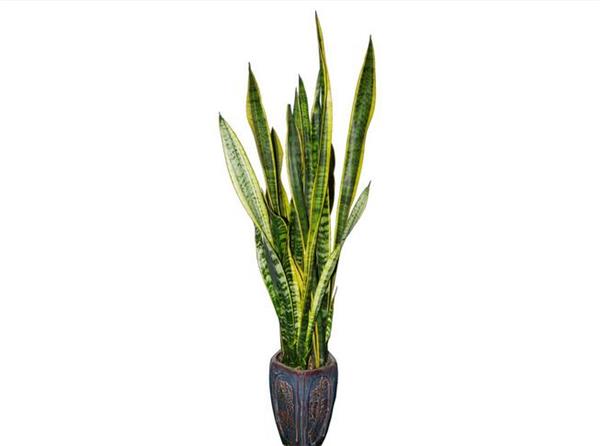
The leaves of the snake plant are firm and upright, and the leaf surface has grayish-white and dark green tiger-tail-like horizontal banded markings. Its posture is resolute and it is unusual and interesting. It has many varieties, and the plant shape and leaf color vary considerably, making it exquisite and distinctive. It has strong adaptability to the environment and is a tenacious plant, widely cultivated and used, and is a common indoor potted foliage plant. It is suitable for decorating and adorning studies, living rooms, and office spaces, and can be enjoyed for a relatively long time. Placing the snake plant in the home, besides serving an ornamental purpose, can also absorb harmful substances such as formaldehyde indoors, reducing the harm to family members. This effect is especially noticeable in newly renovated houses or after newly purchased furniture.
How to Grow the Golden-Edged Snake Plant
First, the choice of soil
The snake plant requires loose soil and needs breathability, so when mixing soil for the snake plant, be sure to use 2/3 leaf mold plus 1/3 garden soil. Remember that the soil must be loose and breathable, otherwise it will be difficult for moisture to evaporate, leading to rot of the rhizome.
Second, sunlight requirements
The snake plant likes light, so be sure to let it come into contact with sunlight often; it is best to place it somewhere it can be directly exposed to light. If conditions do not allow this, then place it somewhere relatively close to the sunlight. Being placed in a dark place for a long time will cause the leaves to turn yellow.
Third, temperature
The snake plant has fairly high temperature requirements. Its suitable growing temperature is 20-30°C, and in winter it should not go below 10°C at minimum, so be sure to pay attention, especially in northern regions.
Fourth, watering
The snake plant also has fairly high water requirements. Generally speaking, if the soil is relatively loose, it needs to be watered twice a week, while in winter, due to climatic factors, only once is needed.
Fifth, pruning
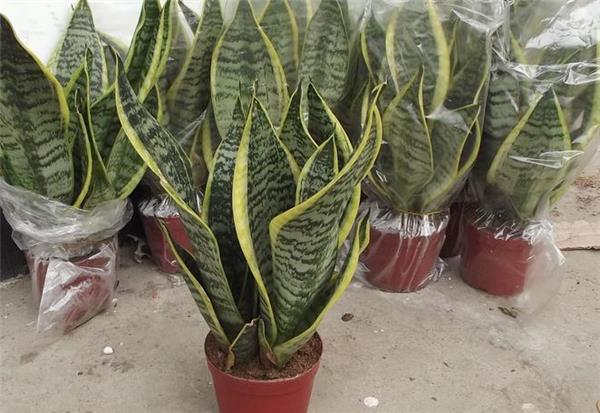
Compared with other home-grown green plants, the snake plant grows relatively quickly, so when the pot becomes full, manual pruning must be carried out, mainly by cutting away old leaves and overly dense areas to ensure its sunlight and growing space.
Sixth, repotting
The snake plant is a perennial plant. Generally speaking, it needs to be repotted once every two years. When repotting, be sure to add nutrients to the new soil so as to ensure its nutrient supply.
That is all for the related introduction to the growing methods of the golden-edged snake plant. I believe that after reading this, everyone has gained a certain understanding of how to grow the golden-edged snake plant. If any friends want to grow the golden-edged snake plant, you can refer to the relevant knowledge points I have introduced for you.