What are the benefits of snake plants? A complete summary in one article
The snake plant is the easiest plant to grow indoors, and placing a snake plant indoors may achieve an air-purifying effect. So, how much do you know about the benefits and effects of the snake plant? Let us take a look together.
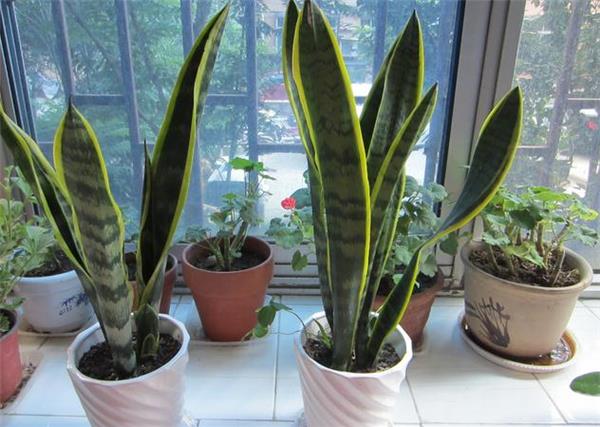
Introduction to the snake plant
The snake plant, also known as mother-in-law's tongue or Saint George's sword, is a perennial evergreen herbaceous plant of the genus Sansevieria in the family Liliaceae, with a creeping rhizome, clustered leaves, hard leathery texture, and stiff, upright leaf blades. The leaf color is dark green, with alternating light green and dark green markings on both sides of the leaves. The flowers are white or pale green, and the flowering period is in spring and summer. There are many varieties of snake plants, each with a firm and upright posture, peculiar and interesting, and with a certain ornamental value.
The benefits of the snake plant
Air purification: The snake plant not only has ornamental value but also has the ability to absorb indoor formaldehyde. Placing a snake plant in the home can reduce the harm of formaldehyde to the human body, especially in newly renovated houses or furniture, where the effect is particularly good.
Medicinal effects: The snake plant contains abamagenin, and has the effects of clearing heat and detoxifying, treating bronchitis, traumatic injuries, common colds, and venomous snake bites.
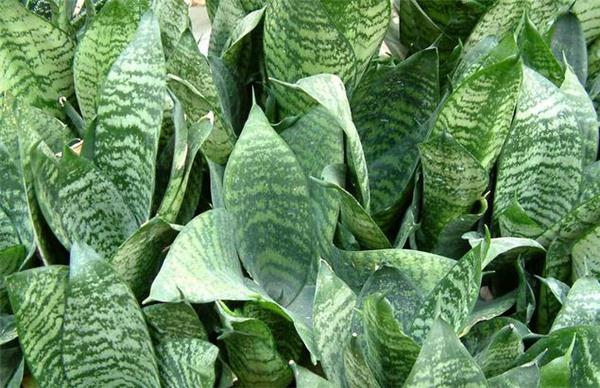
How to grow the snake plant
First, the choice of soil
The snake plant requires loose soil and needs breathability, so when mixing soil for the snake plant, be sure to use 2/3 leaf mold plus 1/3 garden soil, and remember that the soil must be loose and breathable, otherwise it will make it difficult for water to evaporate, leading to rot of the rhizome.
Second, sunlight requirements
The snake plant likes light, so be sure to let it come into contact with sunlight regularly. It is best to place it in a spot where it can be directly exposed to sunlight. If conditions do not allow it, then place it in a spot relatively close to sunlight. Being placed in a dark place for a long time will cause the leaves to turn yellow.
Third, temperature
The snake plant has fairly high temperature requirements. Its suitable growth temperature is 20-30°C, and in winter it should not be lower than 10°C at minimum, so be sure to pay attention, especially in northern regions.
Fourth, watering
The snake plant also has fairly high water requirements. Generally speaking, if the soil is relatively loose, it needs to be watered twice a week, while in winter, due to climatic factors, only once is needed.
Fifth, pruning
Compared with other home-grown green plants, the snake plant grows relatively quickly, so when the pot becomes full, manual pruning is needed, mainly by cutting off old leaves and overly dense areas to ensure its sunlight and growing space.
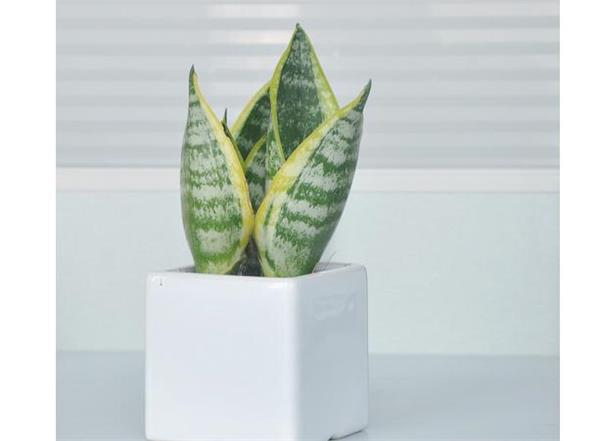
Sixth, repotting
The snake plant is a perennial plant. Generally speaking, it should be repotted every two years. When repotting, be sure to add nutrients to the new soil so as to ensure its nutrient supply.
Seventh, planting method
The snake plant is a root-propagating plant. Generally speaking, you only need to plant a few plants, and after a year, you can harvest a full pot. When planting, first place part of the soil at the bottom of the pot, then start planting from one side of the pot, planting evenly within the pot.
Eighth, fertilizing
The snake plant has low fertilizer requirements. You only need to fertilize twice a month during the growing season. Be careful to apply a dilute fertilizer solution so as to ensure lush growth.
Ninth, the threat of diseases and pests
The common diseases of the snake plant are mainly leaf spot disease and anthracnose. At this time, 50% carbendazim can be sprayed for treatment; the common pest is damage by weevils, and at this time 50% fenitrothion emulsifiable concentrate diluted 1000 times can be sprayed to kill them.
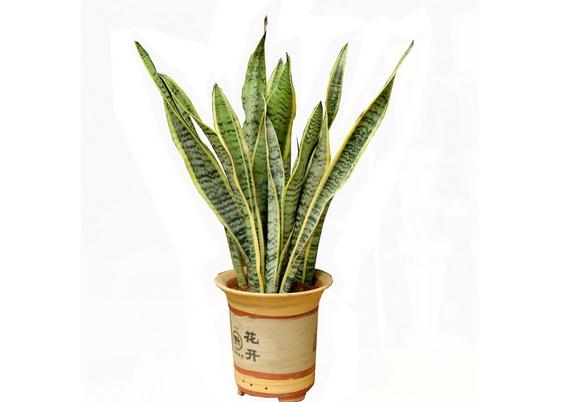
That is all for the related introduction to the benefits of the snake plant. I believe that after reading this, everyone has gained some understanding of the snake plant. If any friends want to grow snake plants, you can refer to the relevant knowledge points I have introduced for you.