Does the mosquito repellent plant actually work? An analysis of its mosquito repellent effect
Many friends grow mosquito repellent plants at home, because the special scent they give off can drive away mosquitoes. So is the mosquito repellent plant really useful? Some friends may not know much about this, so let us take a look together.
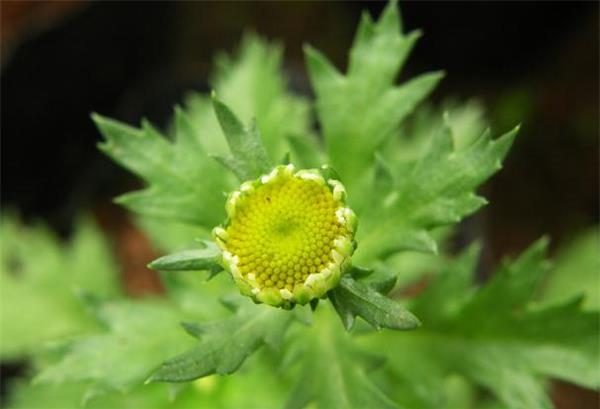
Is the mosquito repellent plant useful
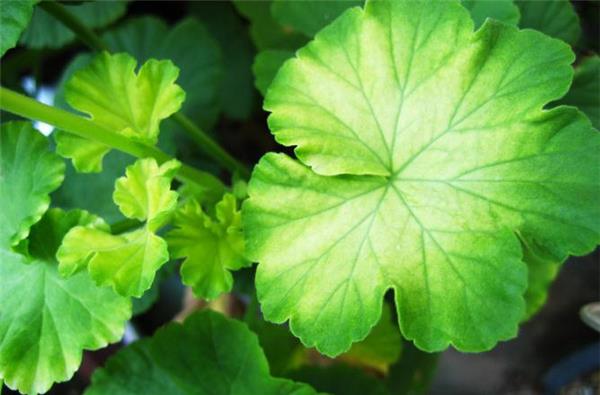
The mosquito repellent plant, also known as scented geranium, is a perennial evergreen herbaceous plant developed through gene fusion technology by introducing citronellal from lemongrass into geranium. The geranium family plant is a plant with volatile properties; under normal conditions, it releases its own scent molecules outward through photosynthesis. Citronellal itself has an outstanding mosquito repellent effect, and it is this substance that works in many mosquito repellent products. It is released into the air along with the geranium's scent molecules, achieving the effect of repelling mosquitoes and purifying the air.
The scent given off by the "mosquito repellent plant" is a fresh lemon scent. Within its survival temperature range (1-40°C), the higher the temperature, the stronger the scent released. This scent is disliked by mosquitoes, so placing one or two pots indoors can have a certain mosquito repellent effect.
Precautions for placing the mosquito repellent plant
The citronellal in the "mosquito repellent plant" is not toxic and is basically harmless to the human body, so it can be placed at home with peace of mind. However, because the concentration of the volatile gas is relatively low, the mosquito repellent effect of just a few pots of "mosquito repellent plant" is not very noticeable. People who want to rely on it to completely keep mosquitoes away may be disappointed.
Since the gas concentration of one or two pots of "mosquito repellent plant" is not enough, can you place several more pots at home? The answer is of course no. If they are placed too densely, the rich scent does make the mosquito repellent effect better, but it can also easily cause discomfort, and in severe cases it can even cause reactions such as headaches and nausea.
Everyone is reminded not to place more mosquito repellent plants in the bedroom just for the sake of repelling mosquitoes. They should be placed at indoor vents, otherwise it will cause indoor oxygen deficiency. In addition, people allergic to plant aromas should not place mosquito repellent plants. In a space of 10 sq m, placing one or two "mosquito repellent plants" is enough. At the same time, it is best to keep indoor air circulating. If the effect of the "mosquito repellent plant" is not strong enough, mosquito nets, window screens and other mosquito prevention methods can be used to make up for it.
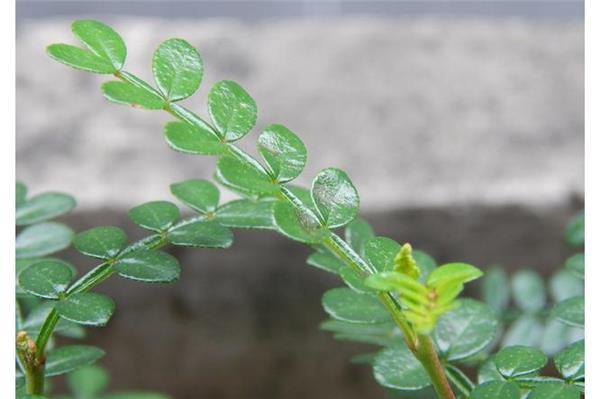
Functions of the mosquito repellent plant
Ecological mosquito repellent: mosquito repellent scented geranium is rich in various aromatic natural essential oils with mosquito repellent effects, such as citronellal and citronellol. The plant and leaves are a natural giant "evaporator." The citronellal (citronellol) of the mosquito repellent scented geranium is continuously released into the air, thereby achieving the mosquito repellent purpose.
Air purification: mosquito repellent scented geranium has a powerful respiratory system, and its gas exchange volume is far greater than that of other plants. It has a strong ability to inhale carbon dioxide and release oxygen, and can effectively purify the air; at the same time, its unique adsorption capacity can effectively reduce dust and harmful substances in the air.
Refreshing the mind and resisting fatigue: the faint lemon fragrance released indoors by mosquito repellent scented geranium makes people feel refreshed; the released citronellal (citronellol), after being inhaled by the human body, produces a chemical reaction that can relieve tension and stress, and has a remarkable effect in resisting depression and reducing fatigue; the effect is even more obvious after spraying water on the leaves.
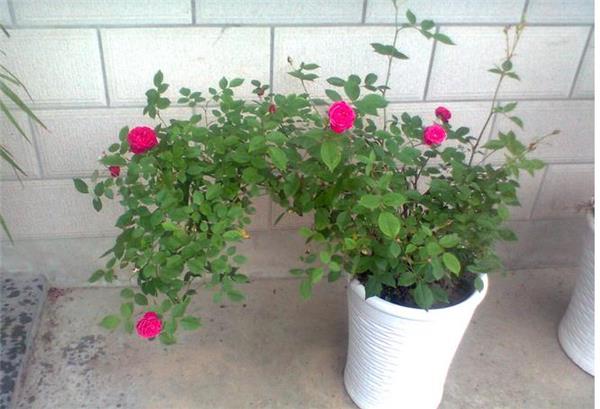
Precautions for growing the mosquito repellent plant
1. Soil: the mosquito repellent plant likes a sunny, well-ventilated environment and is especially afraid of water accumulation in the soil. Loose sandy loam is suitable, and improper watering that causes alkalization should be prevented.
2. Light: during the day it should be placed in a sunny spot, and proper shading is needed under strong sunlight.
3. Propagation: sowing and cuttings are commonly used, and the latter has a high survival rate in spring and autumn.
4. Repotting and pruning: the mosquito repellent plant grows quickly, and it needs to be repotted once a year with soil and fertilizer added. Usually from February to early March in early spring, first prune heavily, leaving only basically 3 side buds on each branch, then remove it from the pot and pull away the surrounding old and decayed roots.
That is all for the introduction to the mosquito repellent plant. I believe that after reading this, everyone has gained some understanding of the mosquito repellent plant. If any friends want to grow the mosquito repellent plant, you can refer to the relevant knowledge points I have introduced for you.