What plants repel mosquitoes? These plants are effective at keeping mosquitoes away
There are many kinds of plants, and different kinds of plants have different effects. So, which plants can repel mosquitoes? Some friends may not be particularly familiar with this, so today I will give a brief introduction for everyone, let us take a look together.
Introduction to mosquito-repellent plants
Mosquito-repellent plants refer to certain plants that can achieve the purpose of repelling mosquitoes. Plants such as night-blooming jasmine (cestrum nocturnum), lavender, and pitcher plants release unique odors or chemical substances that are harmless to humans through tissues or organs such as leaves and flowers during their growth, in order to drive away insects that come near them, so people use these plants to achieve the purpose of repelling mosquitoes.
What plants have mosquito-repellent effects
1. Night-blooming jasmine
Night-blooming jasmine, also known as night-blooming cestrum, has elegant and fresh flowers, is easy to grow, and is affordable. When it blooms in summer, its green and white flowers appear together, and looking at it makes people feel a touch of coolness, very comfortable. The fragrance of night-blooming jasmine is refreshing, but if smelled for a long time, some people may have an uncomfortable reaction to its strong scent. Night-blooming jasmine gives off a rich fragrance at night, mellow and intoxicating, yet mosquitoes are rather afraid of this fragrance, so it is an excellent mosquito repellent.
2. Lavender
Lavender is a richly fragrant small purple flower, long known as a fragrant medicinal herb, and in Europe, such as Provence in France, it is widely cultivated. Lavender has a strong fragrance and itself has an insecticidal effect; after being touched by mosquitoes and insects, it produces a scent that drives them away. Making it into sachets makes the fragrance even stronger and can effectively prevent mosquitoes and insects.
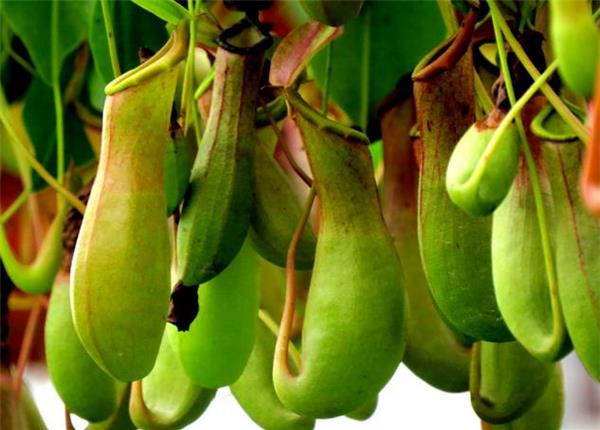
3. Pitcher plant
The pitcher plant is a famous tropical carnivorous plant. Due to the influence of its natural environment, the pitcher plant mainly supplements its nutrition by catching insects and various small animals, thus making it a carnivorous plant. The pitcher plant has a special organ, the pitcher, which is the organ used to prey on insects and absorb nutrients, so it can be said to be an expert at catching mosquitoes.
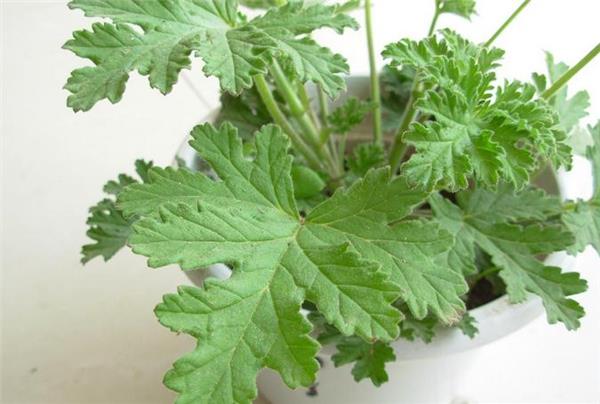
4. Mosquito-repellent geranium
Mosquito-repellent geranium has a lemon scent, and placing it indoors will make mosquitoes and insects flee, because it uses transgenic technology to implant the citronellal gene structure with mosquito-repellent genes into the herb, using its own unique release system as a carrier to continuously release citronellal substances into the air. In hot summer it refreshes the mind and gladdens the heart, and it also has a good mosquito-repellent effect, is harmless to humans and livestock, and can repel hundreds of species of mosquitoes and insects. Generally, the higher the temperature, the stronger the fragrance, and the better the mosquito-repellent effect.
5. Chinese parasol tree
During the growth of the Chinese parasol tree, its bark gradually falls off, and the fallen dry bark can be used as a good mosquito-repellent material. Collect the dry bark shed by the Chinese parasol tree, put it together and light it; when burned it produces a faint fragrance that can drive away mosquitoes and insects. The production of old-style mosquito coils included Chinese parasol tree bark. Note that this material should not be used in a closed indoor space.
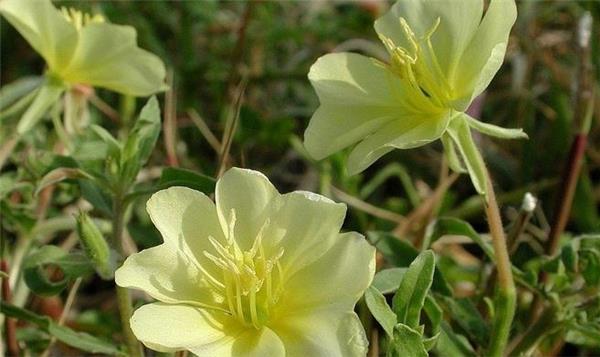
6. Orange jasmine
Orange jasmine is a small evergreen shrub, with a corymb-shaped appearance, many branches, small glossy leaves, and dense white flowers. After blooming, it can also bear red berries, adding beauty to the room. Its leaves have a strong sweet fragrance, and the mosquito-repellent effect is very good.
7. Carnivorous grass
Carnivorous grass is a herbaceous plant of the Asteraceae family, and can grow to about 1 m tall, with small yellow flowers, with hundreds of flower heads on a single plant. Around each flower head there is sticky mucus, like five outstretched little fingers, very interesting. As long as a small mosquito or insect lands on it, it will be stuck. If dust falls on it, after a few days it will also be digested without a trace. Placing a pot in the home catches mosquitoes and absorbs dust at the same time.

That is all for the introduction to mosquito-repellent plants. I believe that after reading this, everyone has gained some understanding of mosquito-repellent plants. I hope the relevant knowledge introduced today can be of some help to everyone.