How to Grow Spider Plants? A Complete Guide to Spider Plant Care
Many people keep a pot of spider plant indoors, as it can help purify the air. So, how much do you know about spider plant care? Today, let me give you a brief introduction, and let's take a look together.
The Growth Habits of Spider Plants
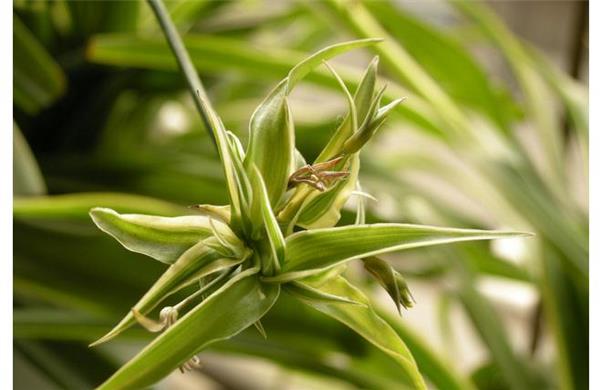
The spider plant, commonly known as trailing pot grass, originated in Africa and is now cultivated all over the world, while Europeans call it spider grass or airplane plant. Its most distinctive feature is that mature plants periodically send out new stems, and these new stems in turn produce small plantlets. It likes a warm, humid, semi-shaded growing environment and is well suited to long-term indoor cultivation. The flowers of the spider plant are mainly white, borne in clusters of several blooms, looking fresh and lovely, with high ornamental value.
Types of Spider Plants
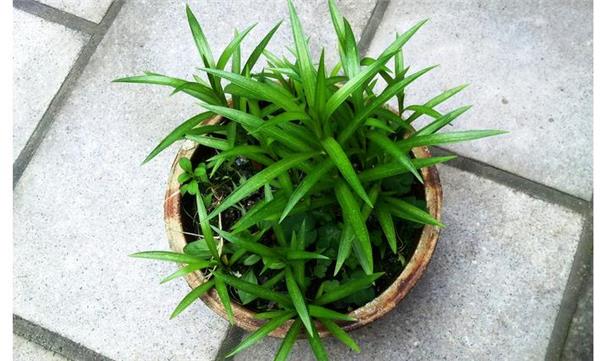
1. Broadleaf spider plant: leaves are broad and linear with entire margins or slightly wavy. The flower scape emerges from the leaf cluster, and after flowering it forms creeping runners that can take root and sprout into new silver-heart spider plants. It bears a raceme with white flowers, 2 flowers per bract axil, and a perianth in two whorls of 6 segments. The flowering period is in spring and summer, and the capsule is three-angled and spherical.
2. Silver-heart spider plant, also called middle-striped spider plant: leaves are narrow and long, lanceolate, creamy white with green stripes and margins.
3. Milky-white spider plant: the main vein of the leaf has white longitudinal stripes.
4. Purple spider plant, also called painted-leaf spider plant: the main vein of the leaf is purple.
5. Golden-margin spider plant: the leaf margins are golden yellow, the leaves are slender and soft, hanging down like flowers, evergreen all year round, known since ancient times as the "folded crane orchid." Its distinctive shape creates a unique hanging display and three-dimensional beauty, and can produce a particularly elegant decorative effect.
6. Golden-heart spider plant: an evergreen perennial herbaceous plant with slender, linear-lanceolate leaves, yellow-white longitudinal stripes in the center, and bright green color. It is a common office and home potted plant.
7. Silver-margin spider plant: the leaf margins of the silver-margin spider plant are white.
8. Silver-heart spider plant: the area around the main vein of the leaf has silvery-white longitudinal stripes.
Spider Plant Care Methods
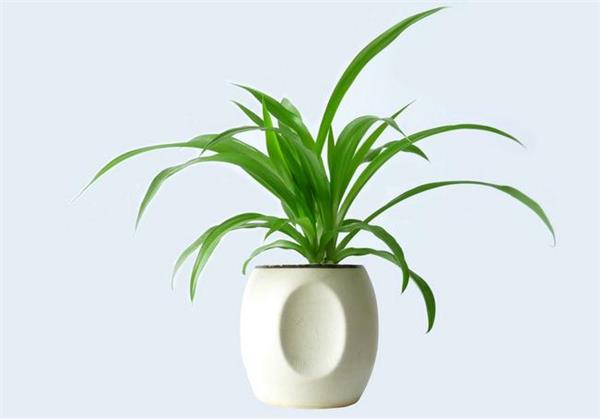
1. Suitable light: spider plants like a semi-shaded environment. They are very sensitive to light. If exposed to direct sunlight in summer and autumn, the leaves will turn yellow and withered, and the whole plant may even die. Therefore, avoid strong direct sunlight, place them in a cool, ventilated spot, and pay attention to maintaining environmental humidity; at most, they should only receive some slanting light in the early morning and evening. In winter, since the sunlight is not strong, the spider plant can be given some direct sunlight as appropriate.
2. Fertilizing: spider plants are relatively tolerant of fertilizer. If fertilizer and water are insufficient, they easily become scorched and aged, with yellowing leaves, losing their ornamental value. For spider plants that have begun to produce plantlets, a nitrogen-based top dressing can be applied once every half month. A well-growing spider plant can also do without fertilizing.
3. Changing soil and repotting: spider plants are generally repotted once every 2-3 years, but in specific care, to achieve lush stems and leaves, you can change the soil and repot once each March.
4. Pest and disease control: spider plants generally rarely suffer from pests and diseases. Problems that occur are usually root rot caused by waterlogged potting soil and poor ventilation; in this case, spray pesticide promptly for control.
5. Pruning: in terms of pruning, yellow leaves should be cut off at any time, and once a year in March the plant can be repotted, cutting away old roots, rotten roots and excess fibrous roots. In early to mid-May, some of the old leaves can be cut off, which will encourage the spider plant to sprout more new leaves and small spider plants.
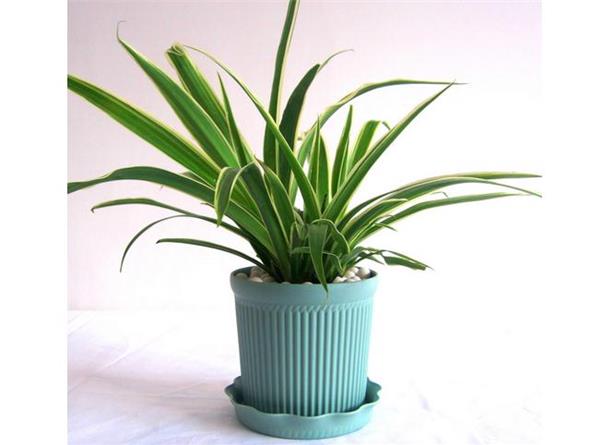
That is all for the introduction to spider plant care methods. I believe that after reading this, everyone has gained some understanding of spider plants. If any friends want to grow spider plants indoors, you can refer to the relevant points I have introduced for you.