A Detailed Guide to the Benefits and Cultivation Methods of Lemon Balm
If you want to purify your indoor air, you can place a pot of lemon balm indoors. Lemon balm can absorb harmful gases indoors and purify the air. So, how should lemon balm be cultivated? Let's take a look together below.
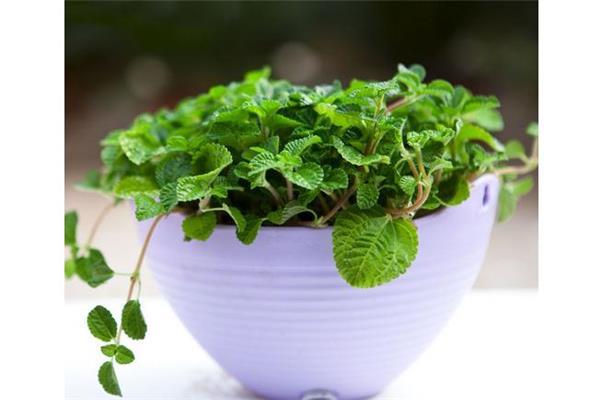
Introduction to Lemon Balm
Lemon balm, with the scientific name Lemon Balm or Curly Mint, is also known by other names such as Beebalm, Lemon Beebalm, and Bee Balm. Lemon balm belongs to the Lamiaceae family as a perennial plant, with a height of 50 cm. Its stems and leaves have a soapy fragrance, verticillaster inflorescences, and white labiate flowers. It is heat-tolerant and cold-tolerant, relatively drought-tolerant and waterlogging-tolerant. Pruning once before the Beginning of Winter allows it to overwinter safely. In winter, it can withstand low temperatures below 0°C. In summer, growth is restricted at high temperatures above 30°C. The most suitable growing temperature is between 10-20°C.
The Benefits of Lemon Balm
For people, aside from serving as decorations, various flowers and plants having some relatively special benefits is quite good. Lemon balm is just such a rather unique and multifunctional plant. In our daily lives, people often cultivate lemon balm as potted plants indoors, because lemon balm has a good effect on absorbing harmful substances such as formaldehyde. According to testing and analysis, lemon balm achieves a 92.4% disinfection rate for formaldehyde in 3 hours, and a 98.5% elimination rate in 72 hours. So lemon balm has a very good absorption effect on formaldehyde, which is also the most direct reason why people like to cultivate lemon balm.
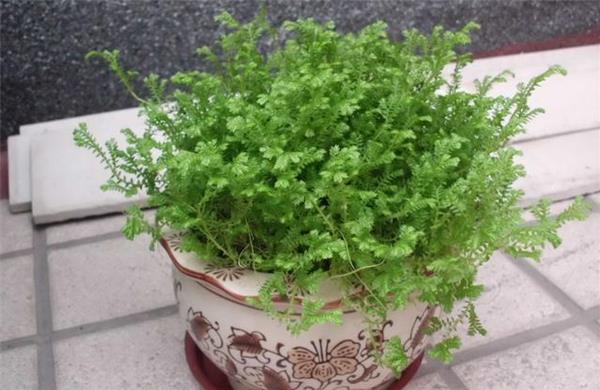
Cultivation Methods for Lemon Balm
1. Propagation: Lemon balm is relatively easy to propagate and can be propagated by seed, by cuttings, and by division.
2. Light: Lemon balm prefers bright light. If the room has good lighting, you can place lemon balm in a spot with sunlight exposure, and normal indoor ventilation is sufficient. If the room lighting is not very good, such as in bathrooms and kitchens, after placing lemon balm in the room for 72 hours, move it to a place with ample sunlight for 72 hours or then put it back, and when the weather is not cold, it can also be placed outside the house to absorb light and get fresh air.
3. Temperature: Lemon balm cultivation has low temperature requirements. In winter, it can withstand low temperatures below 0°C, but in summer, growth is restricted at high temperatures above 30°C. The most suitable growing temperature is between 10~20°C.
4. Soil: Lemon balm can grow in ordinary soil and has no strict requirements for soil. Of course, fluffy and breathable leaf mold soil is better. The cultivation soil for lemon balm should mainly consist of loose, fertile, well-draining garden soil and plant ash soil. A small amount of vermiculite or perlite can also be added to the soil to increase soil air density and prevent root rot.
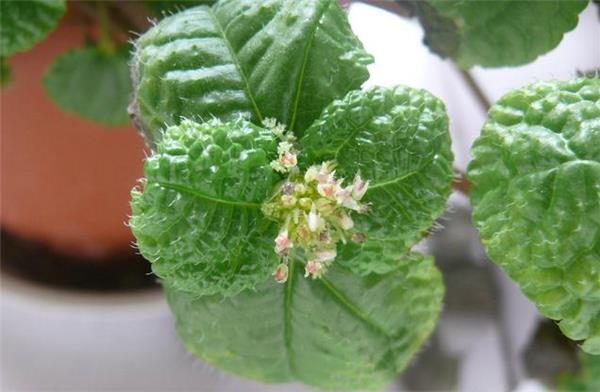
5. Watering: Lemon balm can be watered with clean water or rice water every 3-5 days. If the branches and leaves of lemon balm wilt due to lack of water, water should be replenished immediately, and lemon balm will recover quickly.
6. Fertilizing: Each month, add a small amount of nutrient solution or ordinary nitrogen fertilizer to the water. Avoid adding concentrated fertilizer.
7. Pruning: Lemon balm grows very quickly. It is recommended to prune once a week. Just cut above the new leaves growing on higher nodes. If lemon balm develops black-edged leaves or old leaves at the base, don't worry, just pluck them off.
8. Pests and Diseases: Lemon balm can emit volatile oils with bactericidal effects and can absorb harmful gases, so pest problems basically do not occur. As long as you maintain the water, light, and temperature needed for lemon balm growth, it will be fine.
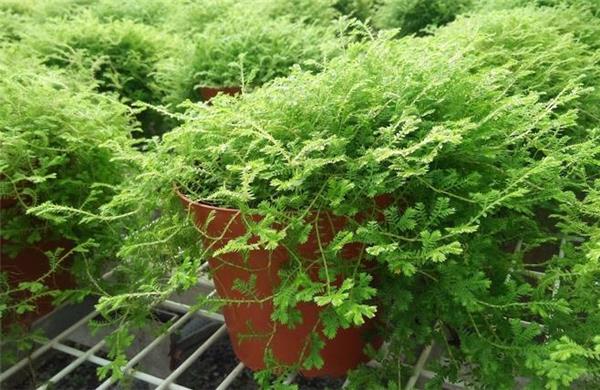
That's all for the introduction to lemon balm cultivation methods. I believe after reading this, everyone has gained some understanding of lemon balm cultivation methods. If you want to cultivate lemon balm, you can refer to the relevant knowledge points I have introduced for you.