How to grow Alocasia macrorrhizos (giant taro)? Detailed guide to growing methods
Many friends are not particularly familiar with the growing methods for Alocasia macrorrhizos, and problems often arise during the growing process. So, how should Alocasia macrorrhizos be grown? Let us take a look together below.
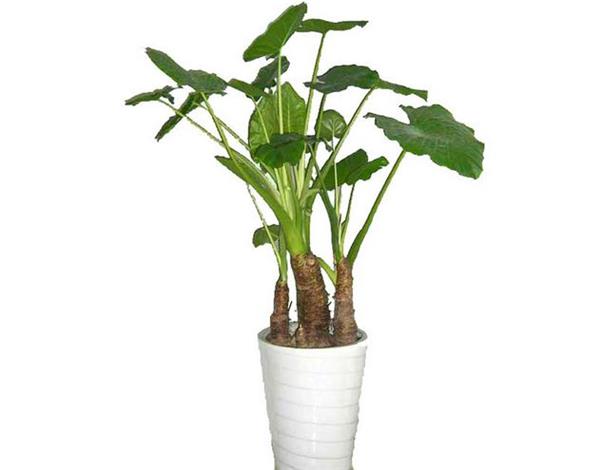
Is Alocasia macrorrhizos toxic?
The toxicity of Alocasia macrorrhizos shows in every aspect: inside the stem of Alocasia macrorrhizos, and even the water it drips, are toxic. Touching it can cause skin allergies, itching and redness; eating it will trigger a series of discomforts from the throat to the stomach, causing pain. So if there are small children at home, be careful not to grow Alocasia macrorrhizos.
The toxicity of Alocasia macrorrhizos mainly comes from the chemical component calcium oxalate, and because calcium oxalate is toxic, Alocasia macrorrhizos is toxic. In ancient Chinese herbal medicine books, it was specifically mentioned that Alocasia macrorrhizos must not be eaten raw, otherwise it will cause poisoning, swelling of the mouth and tongue, and even death by suffocation. So the danger level is still very high.
The benefits of Alocasia macrorrhizos
1. Ornamental value
Alocasia macrorrhizos pairs very well with the strongly cultured East Asian style and the luxurious, grand American resort style. Therefore, placing Alocasia macrorrhizos in a room not only symbolizes the vigorous vitality of marriage, but also produces fresh oxygen, which is greatly beneficial to health.
2. Air purification
The green leaves of Alocasia macrorrhizos can absorb carbon dioxide from the air and release oxygen at the same time, and Alocasia macrorrhizos has the effect of removing dust from the air. But note that the white sap in the stem of Alocasia macrorrhizos is toxic, and the water it drips is also toxic; accidentally touching or eating its sap will cause discomfort in the throat and mouth, with a burning pain in the stomach. Special care should be taken to prevent young children from eating it by mistake.
3. Medicinal value
Alocasia macrorrhizos has the functions of clearing heat and detoxifying, promoting the flow of qi and relieving pain, and dissipating masses and reducing swelling. Alocasia macrorrhizos can also treat malarial fevers, acute vomiting and diarrhea, red and white vaginal discharge, carbuncles and toxic swellings, atrophic rhinitis, typhoid of the intestines, rheumatic pain, hernia, scrofula, boils, scabies, and snake and dog bites, etc.
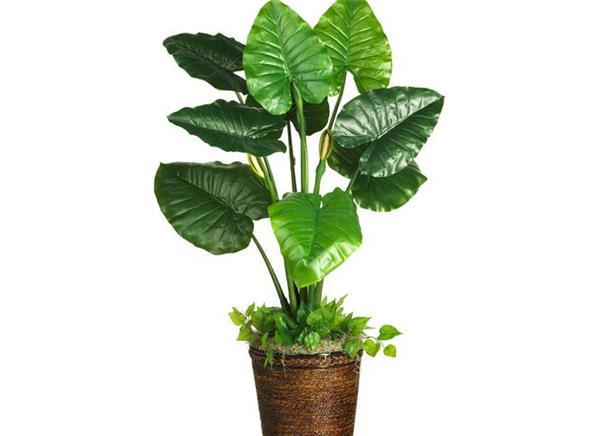
Growing methods for Alocasia macrorrhizos
1. Suitable growing temperature for Alocasia macrorrhizos: 20-25°C is the most suitable growing temperature for Alocasia macrorrhizos. When the room temperature is below 18°C, Alocasia macrorrhizos will enter a dormant period and stop growing. Alocasia macrorrhizos likes a warm, humid, semi-shaded environment. During the growing process, you must pay special attention to the changes of the seasons.
2. How to fertilize Alocasia macrorrhizos: the fertilizing cycle for Alocasia macrorrhizos is once a month. Every 2 weeks, a supplementary feeding must be given to Alocasia macrorrhizos. And the potting soil of Alocasia macrorrhizos needs to be moistened. Fertilizing requirements: it should be supplemented with nitrogen fertilizer mixed with thin liquid fertilizer such as phosphorus and potassium fertilizers. When top-dressing, avoid pouring the fertilizing water onto the leaf sheaths, which would cause Alocasia macrorrhizos to rot.
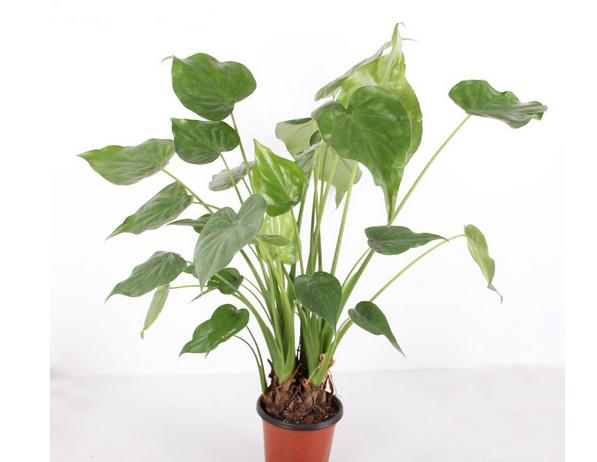
3. Notes on watering: in summer, Alocasia macrorrhizos can be watered more. People often say that the stems of the Alocasia macrorrhizos they grow rot. This is caused by water accumulation. If you water Alocasia macrorrhizos too much, this situation will occur, so you must grasp the right degree when watering. In winter, Alocasia macrorrhizos will enter a long dormant period, so watering should be controlled in winter and fertilizing should be stopped.
4. The light issue for Alocasia macrorrhizos: for plants that like semi-shade, direct sunlight is the biggest taboo. When the leaves of a grown Alocasia macrorrhizos droop, it may be due to a lack of fertilizer. At this time, some liquid fertilizer needs to be added to the Alocasia macrorrhizos. When Alocasia macrorrhizos enters its flowering period, it is necessary to ensure 3-5 hours of light every day. Otherwise, the buds will be tinged with green and the leaf stalks will elongate, affecting the appearance.
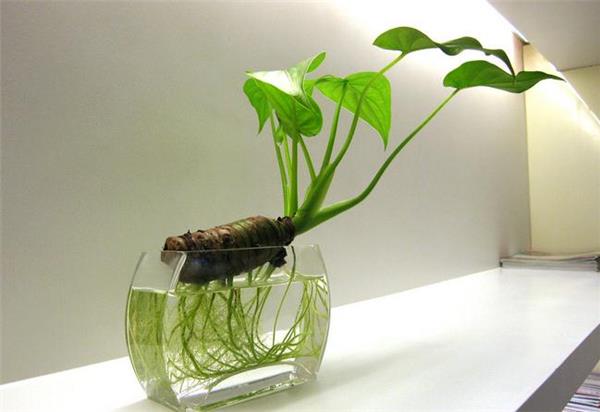
That is all for the introduction to the growing methods for Alocasia macrorrhizos. I believe that after reading this, everyone has gained some understanding of how to grow Alocasia macrorrhizos. If any friends want to grow Alocasia macrorrhizos, you can refer to the relevant points I have introduced for you.