What are the ways to eat plantain? A detailed explanation
Plantain is a perennial herb in the Plantaginaceae family. On one hand, it can be used medicinally; on the other hand, it can be eaten. So, what are the ways to eat plantain? Some friends may not be particularly familiar with this, so today I will give a brief introduction for everyone. Let's take a look together.
Introduction to plantain
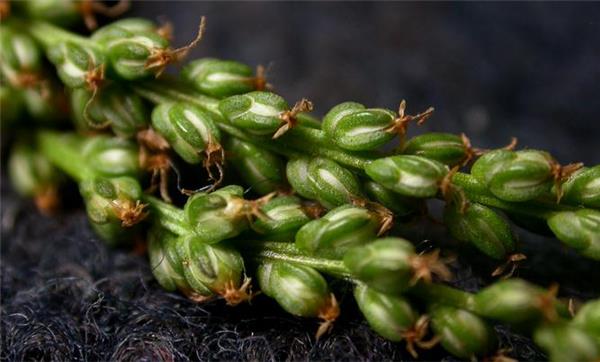
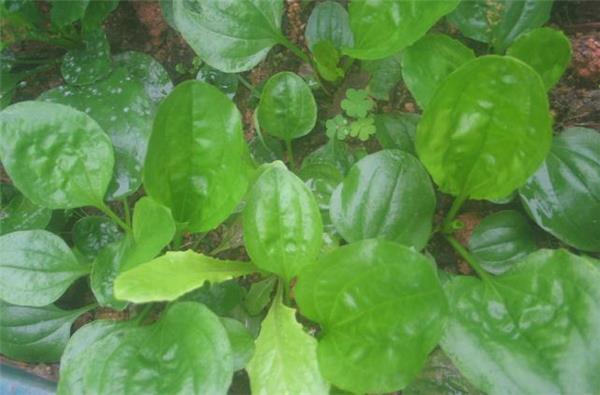
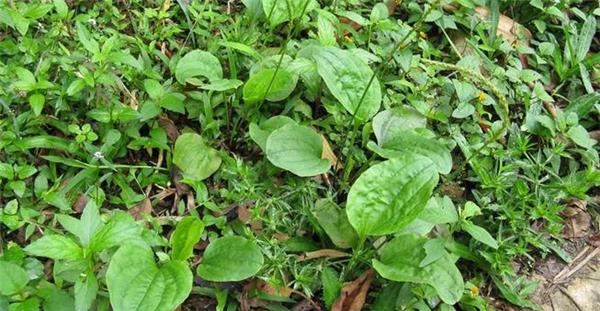
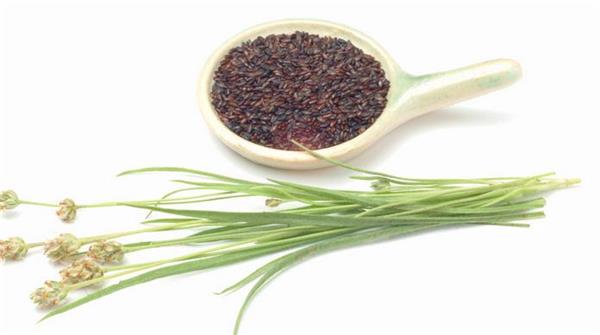
Plantain, also known as cartwheel grass, is a perennial herb in the Plantaginaceae family. It grows in mountain fields, roadsides, flower gardens, riversides, and other places. The rhizome is short, thick, and densely covered with fibrous roots. The leaves all grow from the root; the leaf blades are smooth, broadly ovate, with wavy edges and some indistinct blunt teeth. There are five main veins, raised on the underside of the leaf, extending in rib-like form into the petiole, and the leaf blade is often the same length as the petiole. In spring, summer, and autumn, a spike inflorescence emerges from the center of the plant, with small flowers and an inconspicuous corolla. It bears oval capsules, with the style persistent at the tip, which split open by a lid when ripe and release seeds. It has the effects of promoting diuresis and treating strangury, clearing heat and detoxifying, clearing the liver and improving eyesight, resolving phlegm, and stopping diarrhea. It can not only be used medicinally but also eaten, and is deeply loved by people.
Pharmacological effects of plantain
1. Effects on the urinary system: plantain has a certain diuretic effect. After taking it, the amount of water excreted by the human body increases, and at the same time it carries out urea, uric acid, and sodium chloride from inside the body.
2. Antitussive, antiasthmatic, and expectorant effects.
3. It has an inhibitory effect on certain microorganisms in the human body.
4. It has a counteracting effect on both excessive gastric juice secretion in the stomach and intestines and insufficient gastric juice secretion caused by epinephrine.
5. Anti-inflammatory effect.
The effects of plantain
Plantain mainly has a very good therapeutic effect on the bladder, strangury and turbid leukorrhea, summerheat-dampness diarrhea and dysentery, epistaxis, hematuria, liver heat with red eyes, difficult urination, sore throat, and carbuncles and sores. Everyone can give it a try! And it also has the effects of clearing heat and promoting diuresis, cooling the blood, and detoxifying!
Ways to eat plantain
1. Stewed pig bladder with plantain
Wash the pig bladder, then blanch it in boiling water to remove the urine odor. Then put the pig bladder, plantain, refined salt, monosodium glutamate, pepper powder, scallion, ginger, cooking wine, and meat broth together into a stewing pot, add an appropriate amount of water, and stew until thoroughly tender. Remove the scallion, ginger, and plantain, place in a soup bowl, and then you can drink the soup and eat the bladder slices. This plantain pig bladder dish has the effects of clearing heat and promoting diuresis, and promoting diuresis to treat strangury. It is commonly used in folk medicine to treat cystitis, urethritis, and other conditions.
2. Goji and jujube soup with plantain
For this dish, first wash the plantain and put it into an appropriate amount of water to boil, then add jujubes and boil again, finally simmer over low heat for 20 minutes, and lastly add goji berries and simmer for 10 minutes. Goji and jujube soup with plantain is a very good soup for clearing heat and detoxifying, nourishing the liver, and enriching yin. The whole plantain plant is a treasure; its nature and flavor are sweet and cold, and it is nontoxic, clearing heat and promoting diuresis, resolving phlegm and relieving cough, and clearing the liver and improving eyesight. Taking this plantain soup can help us, when taken over a long period, feel light in body and resist aging. Plantain also has the effects of lowering blood pressure and treating acute hepatitis and acute and chronic bronchitis.
3. Stewed fish head with plantain and Abrus cantoniensis
Wash the plantain and Abrus cantoniensis, and wash the bighead carp fish head and set aside. Put the plantain and Abrus cantoniensis into a stewing cup, then place the bighead carp fish head on top of the medicinal herbs, add ginger slices and boiling water, and stew over medium heat for 40 minutes until done. Plantain is sweet and cold in nature and flavor, and can clear the liver and promote water metabolism. Abrus cantoniensis has the effects of clearing and promoting damp-heat, reducing jaundice, and soothing the liver. The bighead carp fish head, named for its large head, also has the effects of dispelling head wind, promoting damp-heat metabolism, and benefiting the brain marrow. The combination of these three not only clears liver heat but also removes dampness and reduces jaundice, and has a good auxiliary therapeutic effect on acute icteric hepatitis, chronic hepatitis, and early-stage cirrhosis.
That is all for the related introduction to the ways to eat plantain. I believe that after reading this, everyone has gained some understanding of plantain. If any friends want to eat plantain, you can refer to the relevant knowledge points I have introduced for everyone.