What aquatic ornamental plants are there? A roundup of common varieties
Indoor aquatic ornamental plants are plants cultivated indoors specifically for ornamental purposes. So, what indoor aquatic ornamental plants are there? Some friends may not be especially familiar with this yet, so today we will give a brief introduction, and let us take a look together.
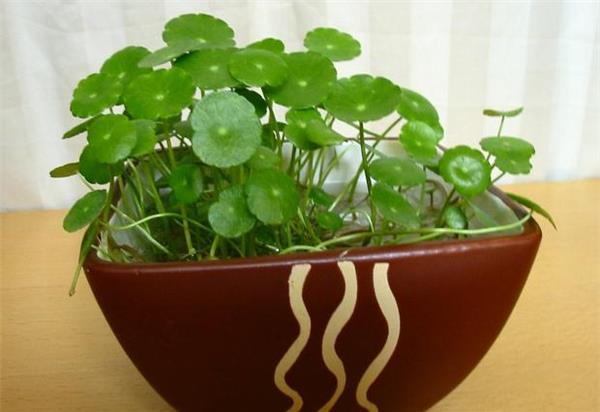
Types of aquatic plants
Aquatic plants generally refer to plants that can grow normally in water or in water-saturated soil for a long time, such as water lilies, Azolla, rice, and so on. If classified by their distribution in water, they can be subdivided into three major categories: emergent plants, submerged plants, and floating plants. Examples include lotus, Hibiscus, and sacred lotus. There are many varieties of aquatic plants. According to their lifestyle, aquatic plants are generally divided into four major categories: floating-leaved plants, free-floating plants, submerged plants, and emergent plants.
The main characteristics of floating-leaved plants are well-developed rhizomes and relatively large flowers with bright colors, with most leaves floating on the water surface. Common ones include: Victoria amazonica, water lily, Nuphar, Euryale ferox, and Nymphoides. They are generally not suitable for cultivation as indoor aquatic plants.
The main characteristics of emergent plants are tall plants and beautiful flowers, and there are many types. Common ones include: sacred lotus, purple loosestrife, Acorus calamus, yellow flag iris, Schoenoplectus, Thalia dealbata, pickerelweed, variegated giant reed, cattail, Alisma, Cyperus alternifolius, and reed.
What indoor aquatic ornamental plants are there
1. Rohdea japonica
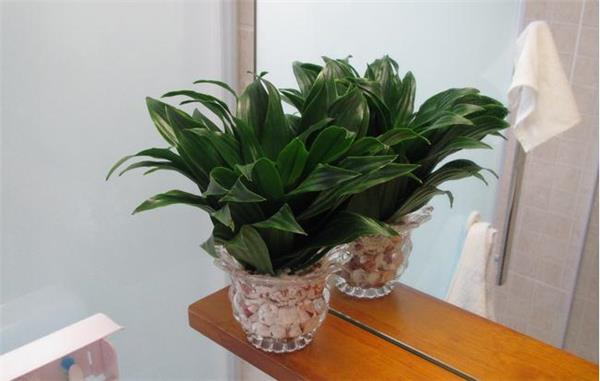
Many people do not know that Rohdea japonica is also a type of aquatic ornamental plant. Rohdea japonica is a plant in the Liliaceae family, with thick leathery basal leaves, oblanceolate, broadly lanceolate, or broadly band-shaped. The terminal spadix is oblong, with densely arranged sessile pale yellow flowers, hemispherical in shape. It has rich varieties, including green-leaf and variegated types, and is an ornamental flower variety with strong adaptability. It is usually grown as a potted ornamental, and in recent years, water-grown varieties have become more and more numerous. They are not only highly ornamental but can also effectively clean indoor air pollution.
2. Lucky bamboo
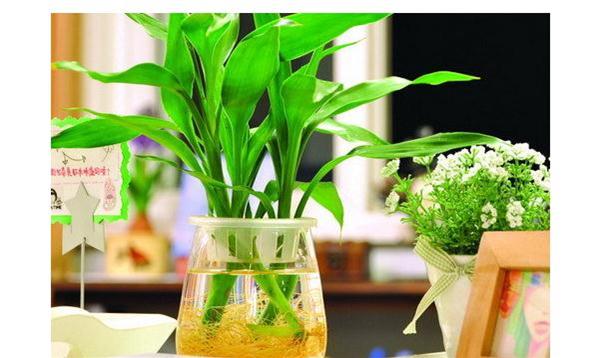
How could indoor aquatic ornamental plants be complete without hydroponic lucky bamboo? Lucky bamboo is an evergreen upright shrub in the Liliaceae family, genus Dracaena, and is suitable for indoor water-grown flowers. When growing it hydroponically, cut the lucky bamboo stems into small sections of 20 cm or more and insert them into water as cuttings. As long as 1/3 of the cutting can be immersed in water, it can take root and survive.
3. Hyacinth
There are many indoor aquatic ornamental plants, and hyacinth is one of them. Hyacinth, also known as Dutch hyacinth, belongs to the Liliaceae family, genus Hyacinthus, and is a perennial herb. The bulb is spherical or flattened spherical, covered outside with a tunic that is purplish blue, white, or other colors. The flower stem is drawn out from the center of the leaf stem, with a raceme. The flowers are delicate and beautiful, colorful, dazzling, and pleasantly fragrant. It likes a sunny, cool, and moist environment, and is suitable for both potted and water cultivation. If growing it in water, place its bulb in a hydroponic nutrient solution.
How to grow aquatic ornamental plants
How do you grow aquatic plants? Aquatic plants should be planted according to the habits of different types or varieties. During garden construction, there are two different technical approaches to planting aquatic plants. One is to build a planting trough at the bottom of the pond, spread at least 15 cm of culture soil, and plant the aquatic plants into the soil. The other is to plant the aquatic plants in containers and then sink the containers into the water.
The two methods introduced above each have advantages and disadvantages. The method of planting aquatic plants in containers and then sinking them into the water is more commonly used, because it is easy to move. For example, in northern winters, the containers must be taken out and stored to prevent severe cold; when changing soil, adding fertilizer, and dividing plants in spring, the work is also more flexible and labor-saving. Moreover, this method can keep the pond water clear, and cleaning the pond bottom and changing the water are also more convenient.
That is all for the related introduction to aquatic ornamental plants. I believe that after reading it, everyone has gained a certain understanding of aquatic ornamental plants. I hope the related knowledge introduced today can be helpful to everyone.