A Detailed Guide to Growing Ball Cacti: A Step-by-Step Tutorial to Grow Them Well
Many people like to place a pot of ball cactus indoors, as it can serve a decorative purpose. So, how much do you know about how to grow ball cacti? Let us take a look together below.
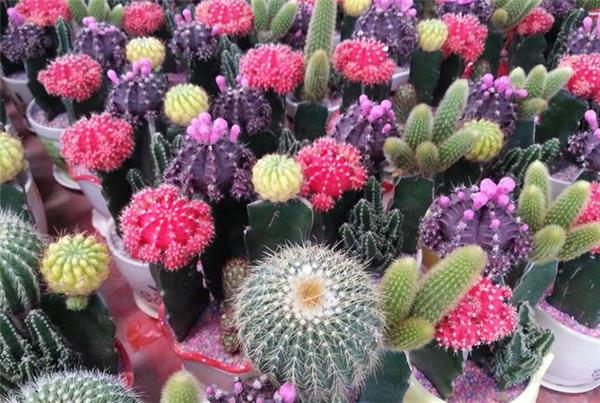
The Benefits of Ball Cacti
1. The stems, leaves and flowers of the ball cactus all have high ornamental value. Modern growers have used plant hydroponic mutation techniques to cultivate hydroponic ball cacti; these are artistic treasures among hydroponic flowers, pleasing to the eye.
2. The ball cactus is cold in nature and bitter in taste, with the effects of promoting the flow of qi and blood, nourishing and strengthening the stomach, and clearing heat and detoxifying. It has a certain preventive and therapeutic effect on cancer, high blood pressure, coronary heart disease, pulmonary tuberculosis, stomach disease, diabetes, various heat-related conditions, gynecological diseases and so on.
3. The ball cactus releases oxygen at night, which is good for sleep, and it can also absorb dust and purify the air. In addition, the ball cactus also has a radiation-protection effect.
4. The edible ball cactus is a new type of green food with a unique flavor and truly free of public hazards; its flesh is tender, sweet and mild, non-toxic and free of any side effects, and it has the reputation of "king of vegetables" and "king of medicines."
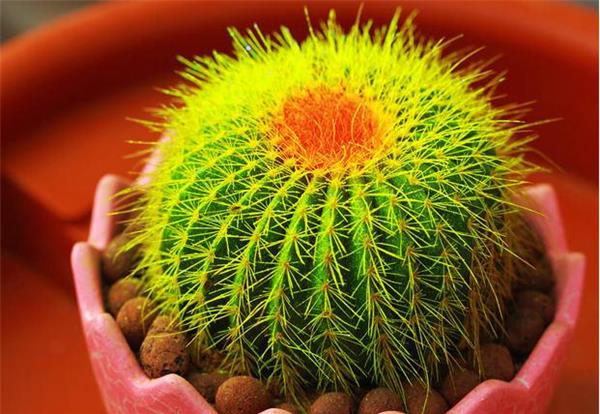
How to Grow Ball Cacti
1. Temperature
The ball cactus likes high temperatures and dry environments. In winter, the room temperature during the day should be kept above 20°C, and the nighttime temperature should not be lower than 10°C. If the temperature is too low, the root system is prone to rot.
2. Light
The ball cactus requires plenty of sunlight, but in summer it cannot be exposed to strong direct sun and needs appropriate shading. For indoor cultivation, artificial light can be used to help it grow vigorously.
3. Potting Soil
For potted ball cacti, the soil should be sandy soil (or sandy loam) with good drainage and air permeability and containing lime. It can be mixed from 2 parts loam and 2 parts leaf mold, 3 parts coarse sand, plus 1 part limestone gravel or old lime wall debris discarded when old buildings are demolished. It can also be mixed from 2 parts loam and 2 parts coarse sand, with 1 part each of crushed brick, leaf mold and old lime wall debris. When planting, a small amount of crushed brick and tile pieces should be placed at the bottom of the pot to ensure smooth drainage.
4. Planting
Planting in pots is best done in early spring. The flowerpot should not be too large; it is best if it can hold the ball body with a little space left. If the pot is too large, the water cannot be absorbed after thorough watering, the air in the pot does not circulate, and the root system is prone to rot. A small number of taproot types, as well as Lophophora williamsii and giant ball cacti such as Echinocactus, require relatively deep cylindrical pots. For types with shallower root systems, such as Mammillaria and Rebutia, relatively shallow ordinary flowerpots can be used.
5. Repotting Method
When repotting, part of the old roots should be cut off, and after drying for 4-5 days, the plant can be potted again. Planting should not be too deep; it is best for the root crown of the ball body to be level with the soil surface. To avoid causing root rot, newly planted ball cacti should not be watered; it is only necessary to mist them 2-3 times a day. After half a month, a small amount of water can be given, and only after new roots grow out after one month can watering be gradually increased.
6. Watering
Summer is the growing season for ball cacti. The temperature is high and the water demand is great, so they must be watered thoroughly. It is best to do this in the early morning or evening when the temperature is low; at noon, when it is hot, watering can easily cause sunburn on the ball body. During the hot and rainy plum season, watering should also be appropriately moderated. For ball cacti with a sunken top, be careful not to let water get into the depression, so as to avoid rot; this is even more important when watering in the evening.
7. Fertilizing
During the growing season, potted ball cacti can also be fertilized appropriately. This is especially important for those grafted onto triangular cacti (Hylocereus undatus), where fertilization should be taken even more seriously. A fully decomposed dilute liquid fertilizer can be used, applied once every 10-15 days. After autumn begins, pay attention to controlling fertilizer and water; generally applying once a month is enough, and fertilization should stop in early October. If fertilizer is not controlled and the ball cactus is allowed to continue growing, the tender ball body is susceptible to cold damage when overwintering.
8. Pest and Disease Control
In environments with high temperatures and poor ventilation, pests and diseases are likely to occur. For diseases, carbendazim or thiophanate-methyl can be sprayed; for insect pests, dimethoate can be sprayed to kill them. No matter which liquid medicine is sprayed, it should be done outdoors.
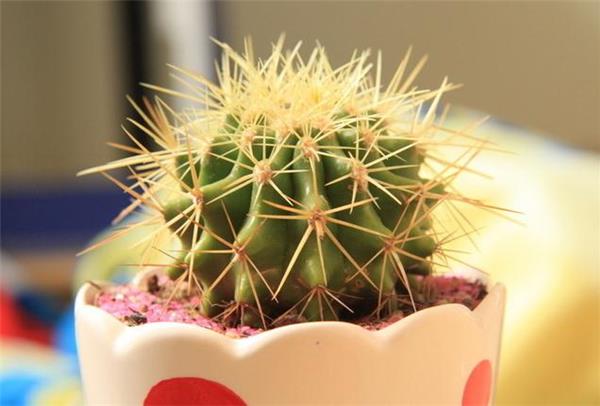
That is all for the introduction to how to grow ball cacti. I believe that after reading this, everyone has gained some understanding of how to grow ball cacti. If any friends want to grow ball cacti, you can refer to the relevant points introduced above.