An introduction to dragon fruit and cactus: getting to know these two plants
Dragon fruit is a common fruit in our daily lives. Some people say that dragon fruit is the fruit of the cactus, while others say it is not. Today we will give a brief introduction to dragon fruit and cactus, so let us take a look together.

Introduction to dragon fruit
Dragon fruit is also known in English as green dragon fruit and red dragon fruit. It originates from the tropics of Central America. Dragon fruit is rich in nutrients and has unique properties. It contains plant albumin and anthocyanins, which are rare in ordinary plants, as well as abundant vitamins and water-soluble dietary fiber. The dragon fruit plant belongs to the genus Hylocereus in the cactus family. It originated in Brazil and Mexico, later entered Taiwan, China, and after improvement entered coastal areas of the mainland for cultivation. Dragon fruit is named for its fleshy scales that resemble the outer scales of a dragon, and it is also called "auspicious fruit."
Introduction to cactus
Cactus is a family of desert plants belonging to the order Caryophyllales, and it is the national flower of Mexico. To adapt to the arid desert climate, its leaves evolved into small spines, mainly to reduce water evaporation, and this also serves as a kind of self-defense equipment. Its stem evolved into a thick, water-storing shape, and its roots cover a large area, making it easier to absorb water and nutrients. At present, there are nearly 2,000 species of plants in the cactus family.
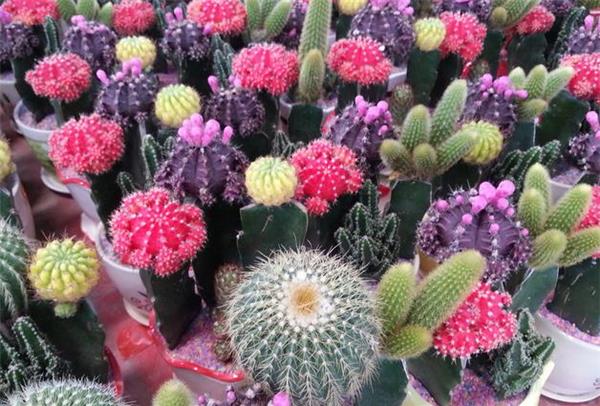
How to grow cactus
The suitable growing temperature for cactus is between 20 and 35°C. Terrestrial types do not require very high temperatures during winter dormancy; as long as the potting soil is kept dry, maintaining a temperature of 4 to 7°C is enough. Epiphytic types, however, require higher temperatures in winter, preferably 10 to 13°C or higher. When summer temperatures reach 30 to 35°C, most cacti slow their growth rate, and sometimes the stems of certain species turn yellow or become sunburned. At this time, shade must be provided and more water sprinkled on the ground to lower the temperature.
Terrestrial types prefer plenty of sunlight, especially in winter when they need full sunlight. Generally, tall columnar and flattened cacti are more tolerant of strong light and can be placed outdoors in summer without shading; smaller spherical types, however, mostly prefer semi-shaded conditions in summer. During the hot summer period from June to August, cover the growing point at the top of a golden barrel cactus and the area around it with a round plastic film so that all parts of the globe grow evenly. Epiphytic cacti, by contrast, require semi-shaded conditions year-round.
Fertilization should follow these principles: timely, appropriate in amount, and suited to the plant. Fertilize in spring and autumn, once every 20 days, and choose the early morning or evening of a sunny day. If the potting soil is relatively dry, sprinkle a little water on the potting soil before fertilizing. A concentration of 0.05% to 0.2% is suitable. Water thoroughly once the next morning for a better effect. Terrestrial types require fertilizer rich in potassium and phosphorus and low in nitrogen, while epiphytic types require more nitrogen fertilizer.
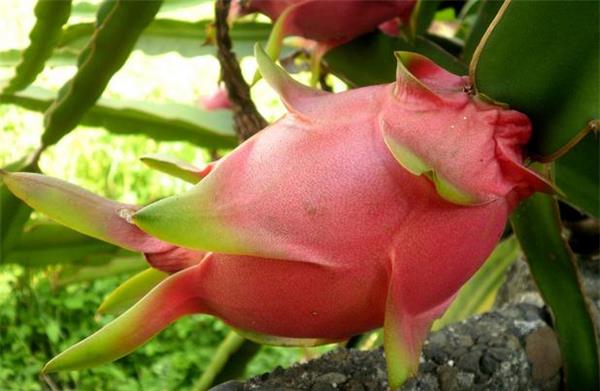
The benefits of dragon fruit
The dragon fruit fruit is juicy with a mildly sweet taste. Besides being eaten fresh, it can also be used to make wine, canned goods, jam, and more. The flowers can be dried and made into dishes, and the color can be extracted for use as food coloring.
Dragon fruit has the effects of preventing constipation, promoting eye health, increasing bone density, supporting cell membrane formation, preventing anemia, and resisting neuritis and angular cheilitis, lowering cholesterol, and whitening the skin and preventing dark spots. It also has the effects of relieving heavy metal poisoning, resisting free radicals, preventing age-related diseases, slimming the body, and preventing colorectal cancer. Newer research results show that the juice of dragon fruit and its stems has shown positive effects on tumor growth, viruses, and immune response suppression, among other conditions.
That concludes the relevant introduction to dragon fruit and cactus. I believe that after reading it, everyone has gained some understanding of dragon fruit and cactus. I hope the related knowledge introduced today can be of corresponding help to everyone.