How to Grow a Jade Plant Best? A Detailed Guide to Care Methods
The jade plant is also known as Crassula portulacea, jade tree, and other names; it is a common plant in the Crassulaceae family. So how should the jade plant be grown? Some friends may not be particularly familiar with this yet, so today I will give a brief introduction for everyone. Let us take a look together.
Basic Information About the Jade Plant
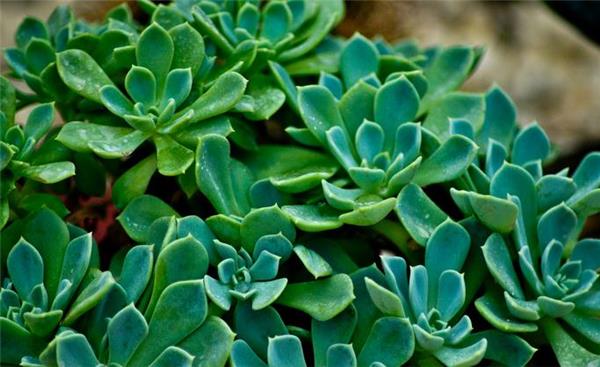
Some people may say the name "thick-skinned plant" is not very elegant, but it has other names too, also called "swallow plant" or jade tree. "Thick-skinned plant" is just a common nickname we usually use for it. The jade plant is native to southern Africa, and it belongs to the evergreen plant bonsai shrub category. The places where it grows are relatively arid. Although it is drought-tolerant, it is not cold-tolerant. It is very fond of environments with warm sunlight, and it can also grow healthily in partial shade. In winter, its survival conditions must not be below 6°C.
How to Grow the Jade Plant
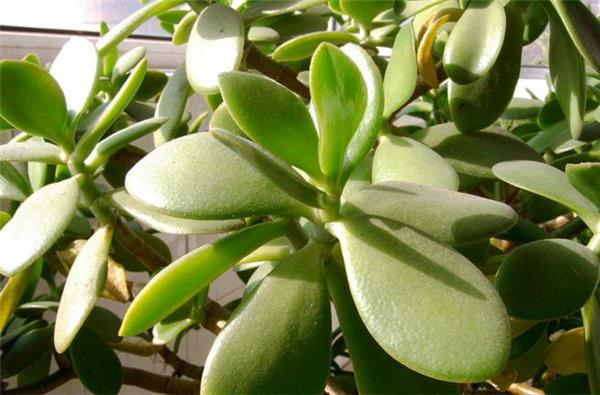
1. Soil: The jade plant is highly adaptable and easy to cultivate and manage. When potting, a mix of 3 parts leaf mold and 1 part sandy soil can be used as the growing medium.
2. Watering: During the growing season, water the jade plant a little more to keep the potting soil moist, but do not let water accumulate. When temperatures drop in autumn and winter, watering should be reduced. It blooms in winter, so watering should be strictly controlled, but do not forget to water it.
3. Light: Because the jade plant quite likes sufficient sunlight, when there is sunlight, everyone should try to place the jade plant on the balcony for photosynthesis. However, it cannot be fully exposed to harsh sun or direct sunlight, as this can also cause the jade plant's branches and leaves to be scorched.
4. Fertilizing: Fertilize the jade plant once a month during the growing season. When the stems and leaves grow too tall, pinch off the growing tips to lower the plant's shape and encourage more branching. Repot and refresh the soil every spring to maintain a graceful plant form.
5. Pests and diseases: The jade plant is mainly harmed by gray mold and powdery mildew, which can be sprayed with a 1000-fold dilution of 70% thiophanate-methyl wettable powder. Insect pests include scale insects and aphids, which can be killed by spraying with a 1000-fold dilution of 40% dimethoate emulsifiable concentrate.
6. Pruning: To allow the jade plant to have lush branches and leaves and at the same time grow more healthily, when pruning, it is best to maintain the original shape and only prune the old and yellowed branches and leaves. Do not prune too much at one time, as this will damage the jade plant.
Precautions for Growing the Jade Plant
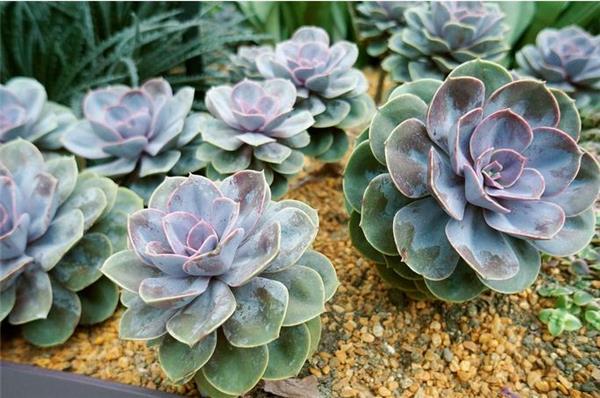
1. Pinching: For newly potted jade plant seedlings, pinch off the growing tips in time to promote branching; for older plants whose stems are semi-lignified, have lost their lower leaves, and are mostly curved and not upright, reducing their ornamental value, they should be cut back to encourage new branches to sprout.
2. Light: In summer, the jade plant needs shading, while in other seasons it should have sufficient light, otherwise the color of the leaf edges will disappear.
3. Repotting: When repotting a jade plant bonsai, leave some of the old soil, then add some fresh soil. When fertilizing, not too much is needed. During the growing season, watering about 2 times a week is enough; do not water too much. However, in a hot and humid environment, the number of waterings needs to be more frequent; just spray a little water mist on the branches and leaves to keep the growing environment moist.
Is the Jade Plant Toxic?
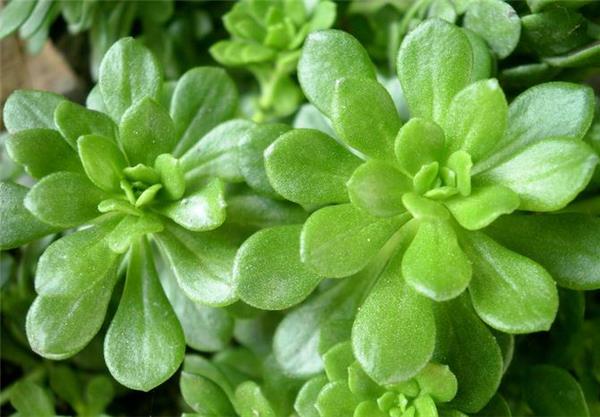
Is the jade plant toxic? The jade plant is not toxic. In folk usage, it broadly refers to succulent plants with a rosette shape. Its fleshy, thick leaves are shaped just like gems, with many branches and leaves overlapping and clustering together. Its rosette-shaped leaf disc closely resembles a blooming lotus, hence the name, and it is praised as "the flower that never withers." Placed on windowsills, balconies, and other places, it is full of interest, like a living handicraft, and is a relatively popular small succulent plant in recent years. Succulent and fleshy plants are not toxic, are beneficial to human health, can absorb radiation, and absorb carbon dioxide.
That is all for the introduction to jade plant growing methods. I believe that after reading this, everyone has gained some understanding of growing the jade plant. If any friends want to grow a jade plant at home, you can refer to the relevant knowledge points I have introduced for everyone.